
AfCFTA’s $5.17bn Digital Trade Corridor Sets 2026 Agenda

The African Continental Free Trade Area (AfCFTA) is shifting gears, moving decisively from policy frameworks to concrete, privately-financed infrastructure. The latter half of 2026 has witnessed the launch of two monumental initiatives totaling US$8.48 billion: a US$5.17 billion Digital Trade Corridor and a US$3.1 billion Customs Modernisation Project. These developments signal a profound pivot towards operationalizing intra-African trade through digital solutions and streamlined border processes, creating significant opportunities for international contractors, technology providers, and logistics firms looking to engage with Africa's rapidly integrating markets.
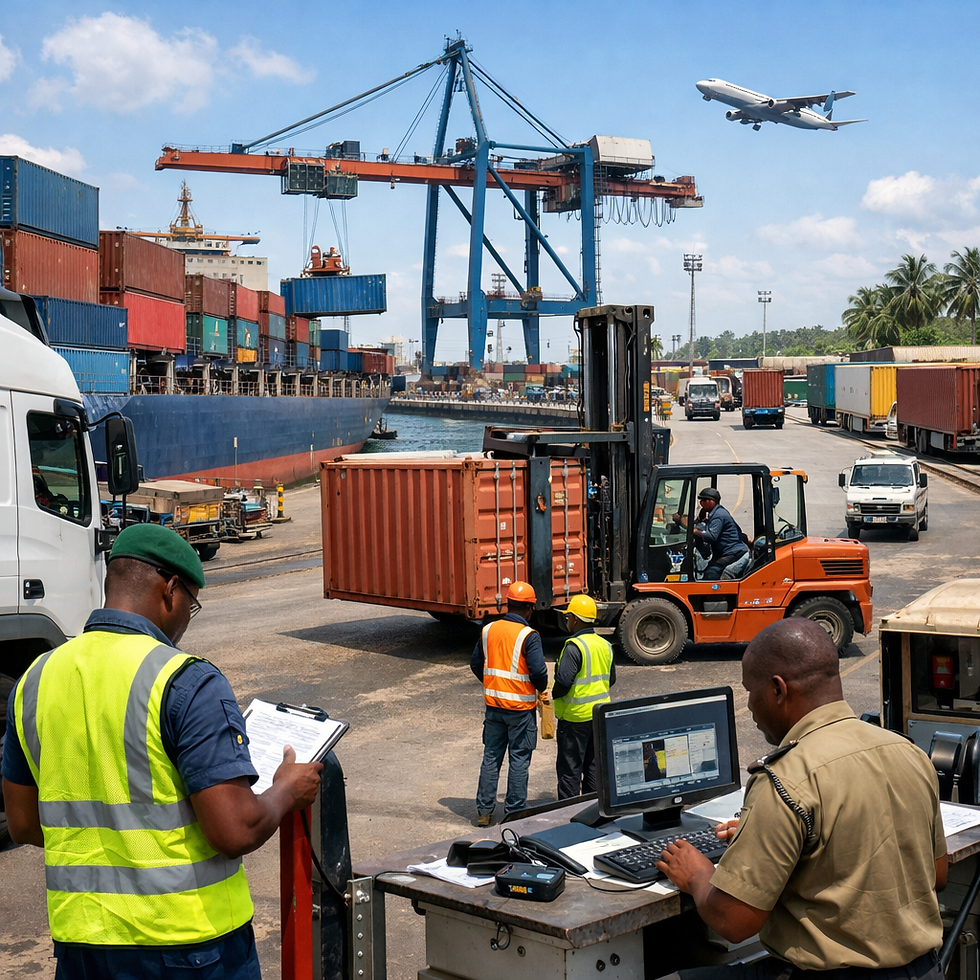
AfCFTA’s Digital Trade Corridor: A US$5.17 Billion Marketplace for Continental Trade
On August 31, 2026, in Accra, the AfCFTA Secretariat and Quest Ghana Limited formalized a joint venture to establish a continent-wide Digital Trade Corridor. Valued at an impressive US$5.17 billion, this initiative aims to construct the digital backbone for seamless intra-African commerce. The corridor’s mandate is broad, encompassing a comprehensive digital marketplace, interoperable cross-border payment systems, integrated logistics services, and robust trading, tracking, and settlement mechanisms specifically for minerals and commodities. This infrastructure is designed to directly link African businesses to continental markets, facilitating trade under the AfCFTA’s unified rulebook.
Quest Ghana Limited, the private sector partner in this ambitious undertaking, is central to its execution. Reports indicate the corridor will be headquartered in the Seychelles, bolstered by over US$51 million in mobilized private-sector investment. This structure highlights a clear intent to leverage private capital and expertise in building critical trade infrastructure, rather than relying solely on traditional public or donor funding. For companies specializing in fintech, e-commerce platforms, blockchain solutions for supply chain management, and commodity trading software, the Digital Trade Corridor represents a substantial new market. The development of payment rails that can seamlessly operate across diverse national financial systems, for instance, will require sophisticated technical solutions and regional integration capabilities. International firms with proven track records in these areas should monitor developments closely, particularly as specific components of the marketplace and payment infrastructure move towards implementation phases. Tracking procurement opportunities related to the Digital Trade Corridor can be done through platforms like TendersGo , which provides alerts for specific CPV codes relevant to digital infrastructure and payment systems across African nations.
Customs Modernisation: A US$3.1 Billion Concession to Streamline Borders
Parallel to the digital corridor, the AfCFTA Secretariat signed a 20-year concession agreement on August 7, 2026, with Bergmans Security Consultants and Supplies Limited for a US$3.1 billion Customs Modernisation Project. While initial reports varied on the exact signing location between Accra and Abuja, the agreement underscores a continental commitment to overhaul customs administration. This public-private partnership (PPP) places the onus on Bergmans to finance and deploy advanced customs infrastructure across approximately 50 participating AfCFTA State Parties. The initiative aims to digitize and harmonize customs procedures, significantly reduce border delays, and enhance revenue collection across the continent.
The scope of this customs project is extensive. It includes the deployment of digital customs solutions, secure electronic exchange of customs information, coordinated border management systems, and the establishment of One Stop Border Posts (OSBPs). Furthermore, the project will introduce modern transit systems, electronic cargo tracking, and non-intrusive inspection technology. Integrated data centers, multilingual customs portals, advanced risk management tools, and data analytics capabilities are also central to the plan, along with significant capacity-building programs for customs officials. Nigeria is expected to play a central role in the rollout, leveraging its existing B’Odogwu platform as a foundation. This suggests that initial implementation may build upon existing national frameworks before expanding continent-wide, with at least six African countries slated for the first phase of deployment.
Procurement Implications: Opportunities in Digital Infrastructure and Border Technology
The two initiatives, totaling US$8.48 billion, present distinct yet complementary procurement landscapes. The Customs Modernisation Project, structured as a long-term concession, means that traditional open tenders for the entire project are less likely. Instead, opportunities will emerge through Bergmans Security Consultants and Supplies Limited as they seek subcontractors, technology partners, and equipment suppliers. International firms specializing in customs software, border security technology, cargo scanners, data center infrastructure, and systems integration will find avenues for engagement. For instance, the demand for non-intrusive inspection technology, including advanced X-ray and gamma-ray scanners, will be substantial as countries like Ghana, Côte d'Ivoire, and Tanzania look to upgrade their border inspection capabilities. Similarly, companies offering electronic cargo tracking systems, crucial for monitoring goods moving across multiple jurisdictions such as the Abidjan-Lagos Corridor, will find significant demand. Firms can monitor Bergmans' supply chain needs and specific country-level deployments by setting up alerts on TendersGo for relevant CPV codes in countries like Nigeria, Ghana, and other early-adopter nations.
The Digital Trade Corridor, as a joint venture, implies a different set of commercial opportunities. Quest Ghana Limited will be seeking partners and suppliers for various components of the digital marketplace, cross-border payment rails, logistics technology, and commodity trading platforms. This includes software development for e-commerce, fintech solutions for interoperable payments across currencies like the Nigerian Naira, Ghanaian Cedi, and South African Rand, and advanced logistics management systems that can track goods from a port in Durban to an inland market in Kinshasa. Companies with expertise in secure digital identity, trade finance platforms, and distributed ledger technologies for commodity tracking will find fertile ground. The emphasis on minerals and commodities trading also points to opportunities in specialized trading platforms and settlement systems designed to handle the complexities of cross-border resource transactions, especially for countries rich in minerals such as the Democratic Republic of Congo and Zambia. Businesses can track these emerging opportunities by utilizing TendersGo’s search capabilities , filtering by sector and region to identify related calls for proposals or partnership expressions of interest.
Cross-Border Digital Payments and Regional Logistics Reform
A critical component of the Digital Trade Corridor is the development of robust, interoperable cross-border digital payments. The current fragmentation of payment systems across Africa significantly hinders intra-continental trade. This initiative aims to bridge that gap, enabling businesses in, for example, Kenya to seamlessly pay suppliers in Senegal without prohibitive costs or delays. This will require sophisticated fintech infrastructure capable of handling multiple currencies, regulatory frameworks, and payment gateways. The potential for innovation in this space is immense, ranging from real-time gross settlement systems to blockchain-based payment solutions that reduce friction and enhance transparency. International payment providers and financial technology firms should be actively engaging with Quest Ghana Limited and the AfCFTA Secretariat to understand the technical specifications and operational requirements for these new payment rails.
The integration of logistics within both initiatives underscores a broader push for regional logistics reform. The Customs Modernisation Project, with its focus on One Stop Border Posts (OSBPs) and electronic cargo tracking, aims to reduce transit times and costs for goods moving across borders, such as between Rwanda and Uganda, or from landlocked Mali to coastal ports in Côte d'Ivoire. The Digital Trade Corridor’s logistics component will complement this by providing digital visibility and management tools for the entire supply chain. This means opportunities for providers of warehouse management systems, fleet management software, freight forwarding platforms, and last-mile delivery solutions. The goal is to create a more predictable and efficient logistics environment, attracting further investment into regional supply chains. The combined effect of these initiatives will be a significant reduction in the non-tariff barriers that have historically stifled intra-African trade, making it easier for goods to flow from manufacturers in Egypt to consumers in Angola.
Institutional Drivers and Sovereign Support for AfCFTA Digital Trade Corridor in 2026
The driving force behind these initiatives is the AfCFTA Secretariat, which has moved from conceptualizing a free trade area to actively building the physical and digital infrastructure required to support it. The involvement of specific private sector entities like Bergmans Security Consultants and Supplies Limited and Quest Ghana Limited signals a strategic choice to leverage private capital and operational expertise for large-scale, long-term projects. This model, particularly the PPP structure for customs modernization, is designed to ensure sustainability and efficiency in deployment. The Republic of Seychelles has also been highlighted for its sovereign support for the Digital Trade Corridor, reportedly hosting its headquarters. This political backing from a member state provides crucial stability and legitimacy for a pan-African initiative of this scale. The fact that Nigeria’s B’Odogwu platform is cited as a foundation for customs modernization further illustrates how existing national successes can be scaled up to serve continental ambitions.
The shift towards private capital-led continental trade infrastructure, rather than solely donor-funded programs, marks a new era for AfCFTA implementation. This approach requires international partners to adapt their engagement strategies, moving from traditional bidding on donor-funded projects to exploring partnerships, joint ventures, and subcontracting opportunities with the designated private concessionaires and JV partners. Understanding the financing models and risk-sharing arrangements within these PPPs will be crucial for any firm looking to participate. For those tracking these developments, continents.tendersgo.com/africa provides regional intelligence that can help identify trends and key actors across the AfCFTA landscape.
Looking Ahead: Implementation Challenges and Future Opportunities
While the announcements of these multi-billion-dollar initiatives are significant, the real test lies in their implementation. The sheer scale and multi-jurisdictional nature of these projects present substantial challenges, from legal and regulatory harmonization across diverse national contexts to technical interoperability and capacity building in numerous countries. For the Customs Modernisation Project, ensuring consistent deployment of technology and training across approximately 50 nations will be a monumental task. The Digital Trade Corridor will need to navigate varied digital readiness levels, internet penetration rates, and payment system maturity across the continent. International firms offering project management, capacity building, and technical assistance services will find demand in supporting these complex rollouts.
The success of these initiatives will also depend on robust governance frameworks and transparent procurement processes at the subcontracting level. While the primary concessions and JVs are in place, the subsequent layers of procurement for hardware, software, services, and local implementation will create numerous opportunities. Firms should be prepared to engage with local partners, understand specific national requirements, and demonstrate a commitment to long-term engagement. The AfCFTA’s ambition to create a single market of 1.3 billion people with a combined GDP of US$3.4 trillion hinges on the successful operationalization of these critical digital and physical trade infrastructures. As these projects move from planning to execution, the landscape for international trade and investment in Africa will be fundamentally reshaped, offering unprecedented access to a unified continental market for those prepared to engage.





