
D-8 Pushes Toward a $500B Trade Target in Doha

Doha, Qatar – Late October 2026 marked a pivotal moment for the D-8, with the bloc's leadership reaffirming an ambitious intra-regional trade target of US$500 billion by 2030. This declaration, made during the 9th UNCTAD World Investment Forum in Doha, underscores a renewed push for deeper economic integration among the eight member states. Crucially, the D-8 Preferential Trade Agreement (PTA) has now been fully ratified by all original signatories, removing a significant legal hurdle to increased trade and investment. International contractors, export managers, and trade advisors tracking D-8 intra-regional trade 2026 and D-8 regional economic integration should note these developments, as they signal a forthcoming wave of procurement opportunities in trade facilitation, digital infrastructure, and logistics across Bangladesh, Egypt, Indonesia, Iran, Malaysia, Nigeria, Pakistan, and Türkiye.
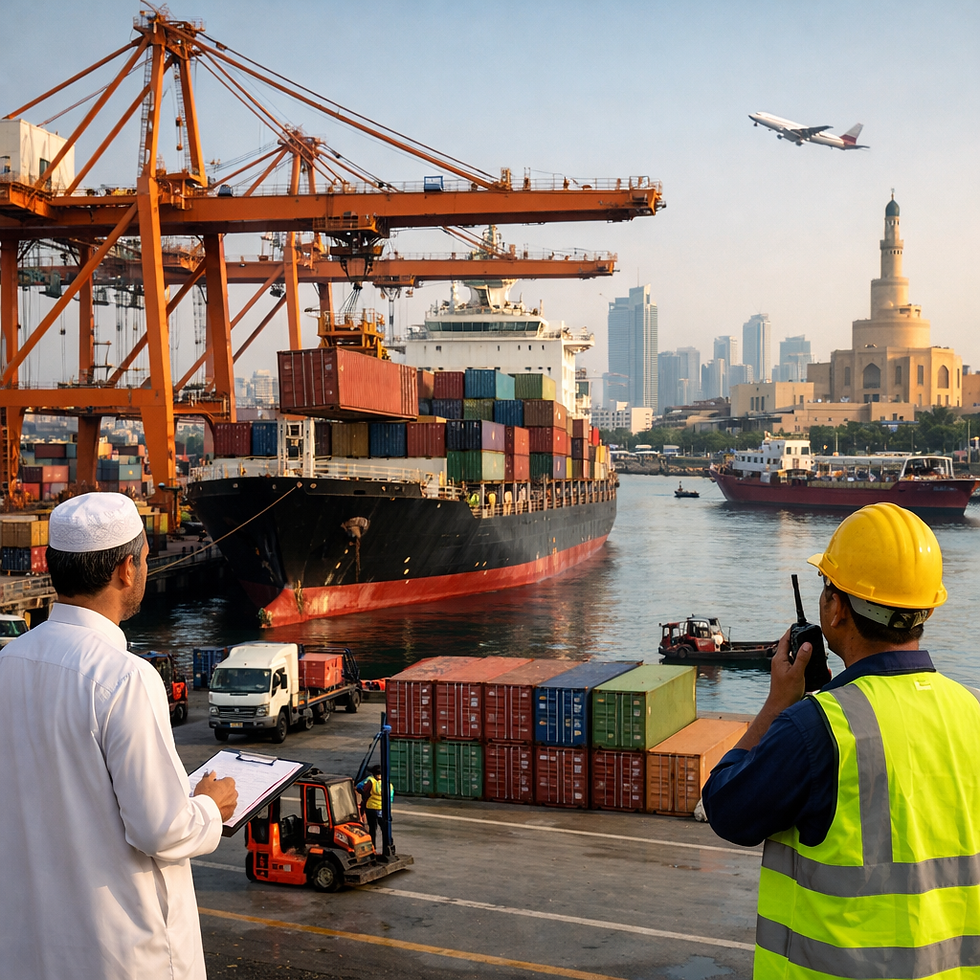
D-8's $500 Billion Trade Horizon: A New Era of Integration
The D-8’s stated goal of tripling its intra-regional trade from US$157 billion in 2024 to US$500 billion by 2030 is a bold declaration of intent. This objective, central to the D-8 Decennial Roadmap 2020–2030, was reiterated by D-8 Secretary-General Ambassador Sohail Mahmood at the 9th UNCTAD World Investment Forum, hosted by Qatar from October 25–27, 2026. The D-8, representing an economic base of approximately 1.3 billion people and a combined GDP exceeding US$5 trillion, is positioning itself for substantial growth. This growth trajectory is not merely aspirational; it is now underpinned by a critical policy breakthrough: the full ratification of the D-8 Preferential Trade Agreement.
Egypt’s formal deposition of its PTA ratification instrument in October 2026, following its initial ratification on June 16, 2026, closed a decade-long chapter of legal delays. This means all eight original signatories—Bangladesh, Egypt, Indonesia, Iran, Malaysia, Nigeria, Pakistan, and Türkiye—have now completed the necessary domestic processes to bring the PTA into full effect. This collective commitment to preferential market access is expected to reduce tariff friction, simplify customs procedures, and enhance the predictability of trade documentation across the bloc. For businesses operating or looking to enter these markets, the implications for supply chain planning and market entry strategies are substantial, demanding close attention to evolving trade regulations and customs requirements across the D-8 member states.
Doha Forum Ignites D-8 Trade Facilitation and Investment Cooperation
The 9th UNCTAD World Investment Forum in Doha served as a critical platform for the D-8 to articulate its vision for investment-led trade expansion. Under the overarching theme of “Investing in the Future,” Ambassador Mahmood emphasized the D-8’s commitment to attracting sustainable investment, cultivating stronger business partnerships, and accelerating the implementation of the newly ratified PTA. This focus on investment cooperation is explicitly linked to the US$500 billion trade target, recognizing that robust capital flows and private-sector engagement are indispensable drivers of economic integration.
Discussions in Doha highlighted the need for D-8 member states to create more attractive investment climates, streamline regulatory frameworks, and enhance the ease of doing business. For international development bank consultants and investors, this signals a potential increase in demand for advisory services related to investment policy reforms, public-private partnerships, and sector-specific investment promotion strategies. The D-8 Secretariat is expected to follow up on the Doha discussions with concrete initiatives aimed at fostering cross-border investment, which could translate into calls for proposals for feasibility studies, technical assistance projects, and capacity-building programs across the member countries. Monitoring announcements from the D-8 Secretariat for any implementation committees or business forum follow-ups will be crucial for identifying these early-stage opportunities.
PTA Ratification: Unlocking Preferential Market Access Across D-8
The full ratification of the D-8 Preferential Trade Agreement is arguably the most significant practical development for businesses targeting the D-8 region. This legal milestone removes a long-standing barrier to preferential market access, promising lower tariffs, simplified customs processing, and more predictable trade documentation for goods originating within the bloc. The D-8 Secretariat is now explicitly calling for greater utilization of these trade preferences, which will necessitate significant upgrades in trade facilitation infrastructure and digital systems across member states.
This push for improved trade facilitation directly translates into procurement opportunities. Governments across Bangladesh, Egypt, Indonesia, Iran, Malaysia, Nigeria, Pakistan, and Türkiye will require expertise and technology for customs modernization projects, including the implementation of single-window systems, electronic data interchange (EDI) platforms, and risk management tools. Projects related to border management, port and airport logistics, and the development of regional transport corridors are also likely to emerge. International suppliers of customs software, scanning equipment, logistics management systems, and consulting services for trade policy implementation should actively monitor procurement notices from national customs agencies and ministries of trade within the D-8 bloc. TendersGo, with its extensive filters for CPV and NAICS codes, can provide critical alerts for opportunities in these specific areas across all D-8 nations. Explore TendersGo for D-8 trade facilitation tenders.
Country-Specific Dynamics and Regional Project Catalysts
While the D-8 operates as a bloc, specific country-level actions and regional dynamics will shape the rollout of these new trade policies. Egypt's ratification of the PTA in 2026 was the final piece of the puzzle, underscoring Cairo's commitment to regional economic integration. This move positions Egypt as a key player in the implementation phase, potentially leading to specific national initiatives aimed at maximizing the benefits of preferential trade. Similarly, Qatar's role as host of the 2026 UNCTAD forum provided a high-profile platform for the D-8 to highlight its renewed focus on trade and investment, though Qatar itself is not a D-8 member.
Across the D-8, countries like Türkiye and Malaysia, with their established manufacturing bases and advanced logistics infrastructure, are likely to be early beneficiaries and drivers of increased intra-regional trade. Indonesia, with its vast consumer market and growing industrial capacity, presents significant opportunities for cross-border supply chains. Pakistan and Bangladesh, both populous nations with developing economies, stand to gain from increased market access for their agricultural and textile exports, while Nigeria, Africa's largest economy, offers a substantial market for D-8 goods and services. Iran, despite international sanctions, remains a significant D-8 member, and the PTA’s implementation could foster specific trade channels within the bloc. Monitoring country-specific procurement portals and national development plans for projects related to export promotion, industrial parks, and logistics hubs will be essential for identifying localized opportunities arising from the broader D-8 agenda. Track Egypt's procurement notices on TendersGo.
Procurement Watchlist: Identifying Emerging Opportunities in D-8
The D-8’s renewed commitment to its US$500 billion trade target and the full ratification of the PTA create a clear trajectory for future procurement. International contractors and suppliers should focus on several key areas. Firstly, trade facilitation will be paramount. This includes tenders for customs digitalization, electronic trade document systems, single-window platforms, and capacity building for customs officials across all D-8 member states. Projects related to modernizing border crossing points, implementing supply chain security measures, and developing regional transit agreements are also anticipated.
Secondly, investment promotion and business cooperation platforms will see increased activity. This could involve procurement for developing online investment portals, organizing B2B matchmaking events, conducting sector-specific investment roadshows, and providing technical assistance for special economic zones. The D-8 Secretariat itself, along with national investment promotion agencies, will be key buyers in this space. Thirdly, regional logistics and infrastructure development will be critical to supporting increased trade volumes. This includes projects for port expansion, dry port development, upgrading road and rail networks, and establishing regional distribution centers. These larger infrastructure projects often involve multilateral development banks, making it crucial to monitor their project pipelines for D-8 countries. Find logistics tenders across the D-8 on TendersGo.
Monitoring D-8 Secretariat and Member State Initiatives
For businesses keen on capitalizing on the D-8's renewed focus, closely monitoring announcements from the D-8 Secretariat is paramount. Any follow-up from the Doha forum, particularly regarding the establishment of implementation committees, working groups, or technical cooperation programs, will provide early indications of specific project needs. These initiatives often precede formal calls for proposals or tenders for consultancy services, feasibility studies, and pilot projects.
Furthermore, national ministries of trade, finance, and planning in Bangladesh, Egypt, Indonesia, Iran, Malaysia, Nigeria, Pakistan, and Türkiye will be instrumental in translating the PTA into actionable policies and projects. Their annual budgets and national development plans should be scrutinized for allocations towards trade infrastructure, digital transformation, and export promotion. Organizations like the Islamic Development Bank (IsDB) and other regional development financial institutions that often support D-8 member states will likely increase their funding for projects aligned with the D-8's integration agenda. TendersGo offers powerful search capabilities, allowing users to set up unlimited alerts for specific keywords, CPV codes, and countries within the D-8 bloc, ensuring no opportunity is missed as these policy shifts translate into concrete procurement needs. Utilize TendersGo AI search for D-8 opportunities.
The Path Ahead for D-8 Regional Economic Integration
The D-8’s ambition to reach US$500 billion in intra-regional trade by 2030, now backed by the full ratification of its Preferential Trade Agreement, marks a significant inflection point. The late-October 2026 discussions in Doha underscored the bloc's determination to foster deeper D-8 trade facilitation and investment cooperation. This commitment will undoubtedly drive demand for a range of goods, services, and expertise across its member states. From customs modernization in Bangladesh to logistics upgrades in Nigeria, and from digital trade platforms in Türkiye to investment promotion in Indonesia, the opportunities for international engagement are set to expand considerably. Businesses that position themselves now, closely tracking policy developments and procurement notices, stand to gain significantly from this new era of D-8 regional economic integration. Explore Asian tenders on TendersGo.


