Benelux Moves on Cross-Border Fraud Treaty in 2026

BRUSSELS – The Benelux Union has formalized a new framework for cross-border cooperation against social fraud and social dumping, with Belgium, the Netherlands, and Luxembourg signing a treaty on March 9, 2026. This accord, titled the "Administrative Arrangement implementing Article 13 of the Benelux Treaty," is poised to significantly reshape regional economic policy and compliance dynamics for businesses operating across these three nations. The agreement, recorded as treaty number 014207 and signed in Brussels, underscores a concerted effort to enhance coordinated enforcement actions, particularly in areas affecting cross-border labor, social security, and fair competition. For international contractors, export managers, and development bank consultants monitoring Benelux regional economic policy 2026 , this development signals a tightening regulatory environment and new demands for operational transparency.
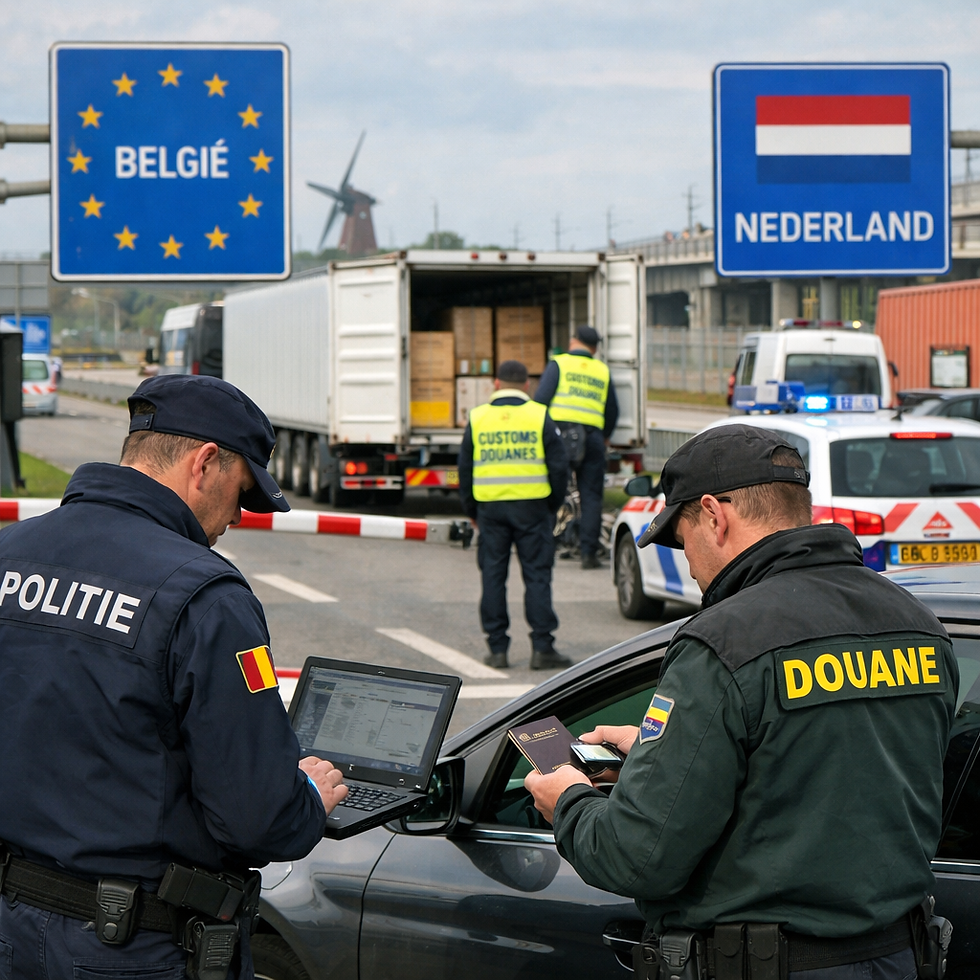
The treaty's immediate impact will be felt in the operational methodologies of national labor inspectorates and social security agencies. It explicitly permits coordinated and simultaneous inspections across multiple countries for a single case, a departure from previous, often siloed, enforcement efforts. Inspectors will now be able to participate as observers in inspections conducted in a neighboring country, fostering a more integrated approach to compliance verification. This operational shift is designed to expedite checks on A1 forms, which are crucial for determining social security contributions for posted workers, and to strengthen mechanisms for recovering improperly paid benefits and contributions. The scope also extends beyond social security fraud, encompassing checks on safety, health, and working conditions, reflecting a broader commitment to decent working standards across the Benelux region. Businesses must prepare for intensified scrutiny and a more unified regulatory front from authorities in Brussels, The Hague, and Luxembourg City.
Benelux Cross-Border Social Fraud Treaty 2026: Operational Shifts and Compliance Demands
The new Benelux treaty, signed by Hans Vijlbrief for the Netherlands, Frank Vandenbroucke for Belgium, and Marc Spautz and Martine Deprez for Luxembourg, represents a critical step towards harmonizing enforcement against illicit labor practices. The Benelux General Secretariat has positioned this as a pilot model, with potential for broader adoption within the European Union. This regional initiative targets abuses linked to the posting of workers and other forms of cross-border employment, which have historically presented challenges for national enforcement bodies due to jurisdictional limitations. The treaty aims to reduce labor-market distortions and ensure fair competition, thereby protecting both workers and legitimate businesses. The implications for international firms, especially those with mobile workforces or cross-border service contracts, are substantial, necessitating a thorough review of their compliance frameworks.
For example, a Belgian construction firm subcontracting to a Dutch company, utilizing Luxembourgish temporary workers, will now face a significantly more coordinated inspection regime. Instead of separate audits from each national authority, a single case could trigger simultaneous investigations involving inspectors from all three nations. This enhanced coordination is expected to reduce the time it takes to identify and address instances of social dumping, where employers exploit differences in social security contributions or labor laws between countries to gain an unfair competitive advantage. The treaty's provisions for faster data exchange between social security agencies will also provide authorities with a more comprehensive view of individual and company compliance, making it harder for fraudulent schemes to operate undetected across borders. This integrated approach demands that businesses adopt equally integrated compliance strategies, moving away from country-specific risk assessments to a more holistic regional view.
The treaty's emphasis on recovering unduly paid benefits and contributions also introduces a new dimension of financial risk for non-compliant entities. Previously, the complexities of cross-border recovery often hampered effective enforcement. With this new administrative arrangement, the process is expected to be significantly streamlined, increasing the likelihood of successful recovery actions. This directly impacts the financial liabilities of companies found to be in breach of social security regulations or employment laws. International contractors and export managers should anticipate a more aggressive pursuit of such recoveries, underscoring the importance of robust internal controls and adherence to both national and Benelux-wide regulations. The Benelux General Secretariat’s framing of this as a "pilot model" also suggests that the enforcement mechanisms developed here could become a blueprint for future EU-wide initiatives, making early adaptation critical for businesses with broader European operations.
Benelux Trade and Compliance Developments 2026: Procurement and Technological Demands
The operational shifts mandated by the new Benelux treaty will inevitably drive new procurement needs across the region's governmental agencies. While the treaty itself does not stipulate specific budgets or procurement tenders, the requirements for "cross-border inspection coordination systems," "data exchange protocols for social security agencies," and "case-management tools for joint investigations" point to significant technological and service demands. These requirements will likely translate into a series of public tenders for specialized software, IT infrastructure, and consultancy services. For companies specializing in government IT solutions, data management, and secure communication platforms, this presents a substantial opportunity to engage with national and regional authorities in Belgium, the Netherlands, and Luxembourg. TendersGo users tracking government procurement in these countries should set up alerts for CPV codes related to IT services, data processing, and security software to capture these emerging opportunities.
The development of robust data exchange protocols will be particularly critical. Social security agencies in Belgium, the Netherlands, and Luxembourg will need secure, interoperable systems to share sensitive personal and financial data in real-time, while adhering to strict data protection regulations such as GDPR. This necessitates investment in advanced encryption, data warehousing, and secure API development. Furthermore, the capacity for "simultaneous cross-border controls" implies a need for integrated planning and communication tools that can facilitate real-time coordination between geographically dispersed inspection teams. Such systems will require sophisticated project management features, secure mobile access for field agents, and centralized reporting capabilities. Suppliers with proven expertise in government-grade secure communication and data integration will find themselves well-positioned to bid on these upcoming procurements. The Benelux General Secretariat will likely play a coordinating role in defining these technical standards, ensuring interoperability across the three member states.
Beyond technology, there will be an increased demand for training services for labor inspectorates and social security control bodies. The treaty’s provisions for inspectors to participate as observers in neighboring countries’ inspections, and the overall shift towards coordinated enforcement, will require personnel to be trained in new procedures, legal frameworks, and cross-cultural communication. This opens avenues for specialized training providers and consulting firms with expertise in public sector capacity building and international regulatory compliance. These training programs will not only cover the specifics of the new treaty but also broader aspects of international labor law, social security regulations, and investigative techniques tailored for cross-border scenarios. Companies offering such services should proactively engage with the relevant ministries of social affairs, justice, and labor in each Benelux country, as well as the Benelux General Secretariat itself, to understand the specific needs and procurement timelines. Consulting tenders related to public administration and regulatory compliance are expected to see an uptick.
The absence of a specific budget or loan amount in the initial treaty documentation is not uncommon for administrative arrangements of this nature, which typically rely on existing national budgets for implementation. However, the operational requirements described strongly suggest that significant investments will be necessary. For instance, the Dutch Ministry of Social Affairs and Employment, the Belgian Federal Public Service Social Security, and Luxembourg’s General Inspectorate of Social Security will each need to allocate resources for the necessary upgrades and training. International development banks and their consultants should monitor these national budgetary allocations and procurement plans closely, as they represent indirect investment opportunities related to improving governance and rule of law within the Benelux region. The treaty’s ratification by all three Benelux countries will trigger these implementation phases, making the period following ratification a key window for procurement activity.
Regional Economic Policy and Fiscal Coordination: A Benelux Model
The Benelux treaty on social fraud extends beyond mere enforcement; it is a clear articulation of a regional economic policy aimed at fostering fair competition and worker protection. By reducing instances of social dumping and fraud, the Benelux countries seek to create a more level playing field for businesses and ensure that legitimate enterprises are not undermined by those engaging in illicit practices. This initiative aligns with broader European efforts to combat cross-border fraud and ensure the integrity of social security systems, but the Benelux model distinguishes itself through its explicit commitment to simultaneous, coordinated action. This proactive stance on fiscal coordination and regulatory alignment is designed to create a more predictable and equitable business environment across the three nations. Government procurement officials and business development teams targeting this region need to understand this underlying policy intent to effectively navigate the evolving regulatory landscape.
The treaty's focus on occupational health and safety, alongside social security, indicates a comprehensive approach to worker welfare. This means that companies operating in the Benelux will face increased scrutiny not only on their social security contributions but also on their adherence to safety standards and working conditions. For sectors such as construction, logistics, and manufacturing, which often involve cross-border movement of labor and complex subcontracting chains, this will require enhanced internal compliance mechanisms. The Benelux General Secretariat has emphasized the treaty’s role in improving "decent working conditions," signalling a commitment to upholding high labor standards. This policy direction will likely encourage businesses to invest more in compliance training, internal audits, and robust human resources management systems to mitigate risks associated with non-compliance. International firms looking to expand or maintain their presence in the Benelux must integrate these enhanced labor and safety standards into their operational planning.
The Benelux model of strengthened enforcement cooperation also sets a precedent for how smaller regional blocs within the EU can address common challenges more effectively. By acting as a "pilot," the Benelux Union is testing mechanisms that could eventually be scaled up across the broader EU single market. This has significant implications for future EU-level policy and procurement. For instance, the data exchange protocols and case management tools developed for the Benelux countries could become templates for wider EU adoption, creating larger market opportunities for suppliers in these areas. International organizations and development banks should view this Benelux initiative as an indicator of future trends in European regulatory cooperation, and adjust their strategic planning accordingly. The treaty's provision for "other countries may join later" explicitly leaves the door open for expansion, reinforcing its potential as a regional blueprint.
Furthermore, the increased coordination on recovery of improperly paid benefits and contributions reflects a commitment to fiscal integrity across borders. This is not merely about punishing fraud; it is about ensuring that national social security systems remain solvent and that public funds are used appropriately. The fiscal coordination aspect of this treaty means that the Benelux countries are collectively working to safeguard their social welfare systems, which are fundamental pillars of their economies. Businesses, therefore, must recognize that non-compliance will not only lead to penalties but also contribute to broader fiscal instability, prompting more aggressive enforcement. This alignment of national fiscal interests through regional cooperation marks a significant step in the evolution of Benelux economic governance. Tenders in the Netherlands , Belgium, and Luxembourg related to financial auditing and compliance software are expected to grow as agencies bolster their capacities.
The treaty's implementation timeline, with signing on March 9, 2026, and entry into force contingent on ratification by all three countries, means that the immediate focus for national governments will be on legislative processes. Once ratified, the operational phase will commence, triggering the procurement needs identified earlier. International contractors and suppliers should monitor the ratification progress in each Benelux parliament to anticipate the activation of these new requirements. The collective commitment demonstrated by the Benelux General Secretariat and the respective ministers, including Hans Vijlbrief, Frank Vandenbroucke, Marc Spautz, and Martine Deprez, signals a strong political will behind this initiative. This political backing suggests that the treaty's implementation will be a priority, ensuring that the necessary resources and administrative structures are put in place promptly. Businesses should proactively engage with relevant government departments and industry associations to stay informed about specific implementation details and upcoming procurement opportunities. TendersGo's regional intelligence will continue to track these developments, providing updates on emerging opportunities and regulatory changes across the Benelux.