Central American Integration System Pushes Faster Customs, Digital Trade

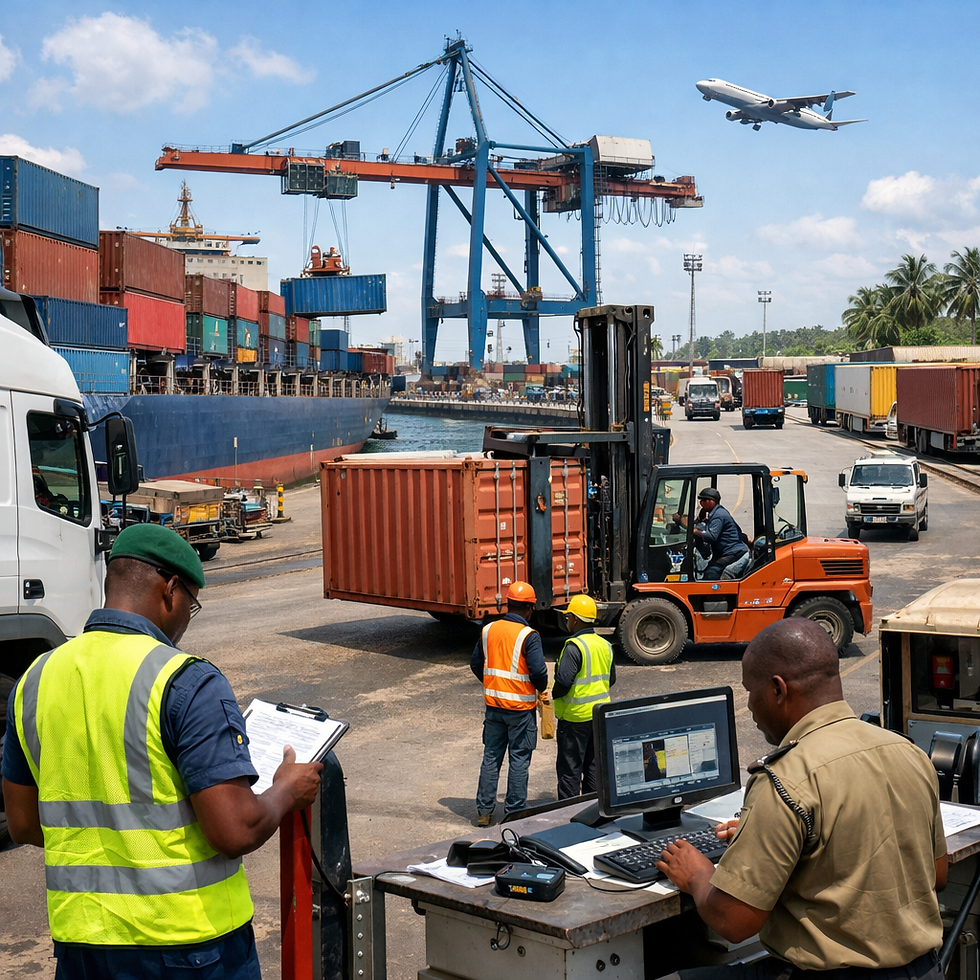
The Central American Integration System (SICA) continues its determined push toward a more cohesive economic bloc in 2026, with significant progress observed in customs harmonization, digital trade platforms, and coordinated border management. Regional trade ministers and vice-ministers have been actively engaged in high-level discussions throughout the first half of the year, culminating in a critical ministerial round in Guatemala City on June 29, 2026. These efforts underscore a strategic regional commitment to streamlining trade, reducing logistical bottlenecks, and enhancing the competitiveness of Central American economies on the global stage. The urgency is palpable, particularly when considering the substantial trade flows within the region, exemplified by Guatemala’s exports to its neighbors reaching an impressive $1.85 billion in the first quarter of 2026 alone. This figure highlights the economic imperative behind accelerated customs union initiatives and the widespread benefits expected from these reforms for international contractors, export managers, and development consultants tracking opportunities via platforms like app.tendersgo.com .
Central American Integration System Customs Union 2026: Policy Drivers and Ministerial Mandates
The pursuit of a fully functional Central American Customs Union remains a central pillar of SICA's economic agenda in 2026. The Secretariat for Central American Economic Integration (SIECA), the technical body steering this complex process, reported that the CXLI meeting of vice-ministers of economic integration convened during the III Round of the Central American Customs Union process for the first half of 2026. This gathering, held under the pro tempore presidency of Honduras, addressed a comprehensive agenda designed to accelerate integration. Key discussion points included a thorough review of the 2026 work plan for the economic integration subsystem, strategic updates on the roadmap for Panama’s deeper incorporation into the subsystem, and the critical implementation of the Platforma Digital de Comercio Centroamericana (PDCC). Furthermore, the vice-ministers reviewed the IV Regional Meeting of National Trade Facilitation Committees and assessed proposals from FECATRANS, the regional freight transport federation, aimed at strengthening terrestrial cargo transport across borders. These deliberations demonstrate a multi-faceted approach to integration, touching on policy, digital infrastructure, and physical logistics, all crucial for the region's commercial arteries.
The momentum built during these vice-ministerial meetings culminated in a significant gathering of Central American trade ministers in Guatemala City on June 29, 2026. This 113th round of customs-union talks marked a pivotal moment, resulting in concrete mandates for advancing regional trade facilitation. The ministers endorsed an updated RECAUCA-related customs rulebook, a critical step towards standardizing customs procedures across member states. This rulebook directly impacts the operational procedures for goods movement, offering a more predictable and efficient environment for trade. Additionally, the ministerial body backed a regional coordinated border management model designed for land, sea, and air crossings. This initiative aims to synchronize efforts among border agencies, reducing duplication and improving security without impeding legitimate trade. The ministers also lent their support to a digital trade platform – likely the PDCC – and the Central America Cargo Pass, a fast-track logistics corridor developed with crucial support from the Inter-American Development Bank (IDB). The meeting also saw a leadership transition, with a new secretary-general appointed for the regional economic-integration body and the rotating chair shifting from Honduras to Nicaragua, signaling continuity in the integration efforts under new stewardship.
SICA Digital Trade Platform Regional Borders: The PDCC and Coordinated Management
The push for digital transformation is a cornerstone of Central America's integration strategy, with the Platforma Digital de Comercio Centroamericana (PDCC) at its heart. This digital trade platform is envisioned as a unified portal for various trade-related processes, aiming to reduce paperwork, accelerate approvals, and enhance transparency across regional borders. While specific budget allocations or tender deadlines for the PDCC were not detailed in the 2026 reports, the consistent emphasis on its implementation during both vice-ministerial and ministerial meetings signals a strong commitment from all SICA member states. International technology providers, software developers, and system integrators should monitor announcements from SIECA and national customs agencies for forthcoming procurement opportunities related to the platform’s development, deployment, and ongoing maintenance. The PDCC's success hinges on interoperability with existing national systems and adherence to international standards, creating a demand for specialized expertise in trade facilitation technologies and secure data exchange protocols.
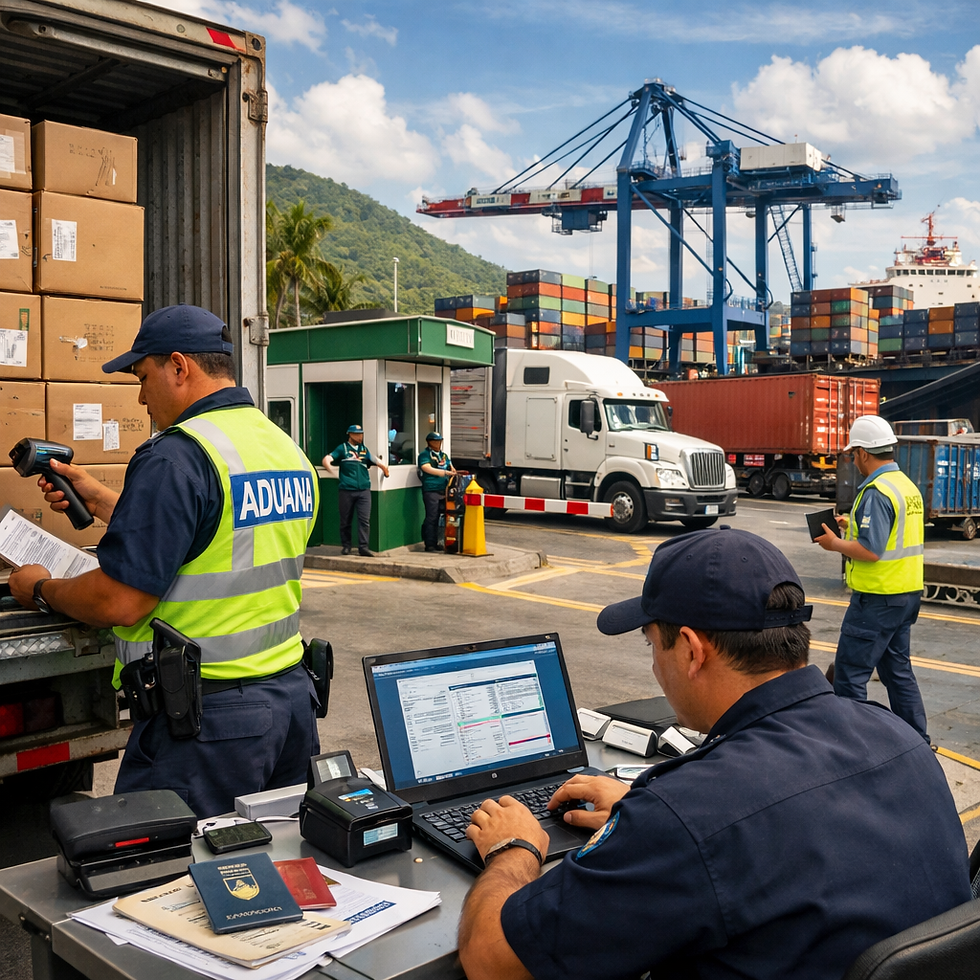
Beyond the PDCC, the ministerial endorsement of a regional coordinated border management model for land, sea, and air crossings represents a significant opportunity for contractors specializing in border infrastructure and security solutions. This model will likely require investments in integrated surveillance systems, advanced scanning equipment, and unified data management platforms across multiple national borders. The goal is to create a seamless flow of goods while maintaining robust controls against illicit trade. Countries like Guatemala, El Salvador, Honduras, and Costa Rica, which share significant land borders, stand to benefit immensely from these coordinated efforts. Procurement officials within the COMIECO framework, the regional economic integration council, will be instrumental in defining the technical specifications and procurement processes for such cross-border initiatives. Firms with experience in implementing large-scale, multi-country border management projects, particularly those involving public-private partnerships, will find this a fertile ground for engagement. TendersGo users can set up alerts for "border management systems," "customs technology," and "trade facilitation software" across the SICA region to capture these emerging opportunities.
Central America Cargo Pass Logistics Corridor: Accelerating Regional Freight
The Central America Cargo Pass represents another critical initiative designed to directly address logistical inefficiencies that plague regional trade. Developed with the support of the Inter-American Development Bank (IDB), this fast-track logistics corridor aims to provide expedited transit for verified cargo, significantly reducing dwell times at border crossings. The emphasis on the Cargo Pass during the June 2026 ministerial meeting in Guatemala City underscores its importance in the broader trade facilitation agenda. For freight forwarders, logistics companies, and transport operators, the Cargo Pass promises a more predictable and faster movement of goods, directly impacting their operational costs and delivery schedules. This initiative will likely require investments in dedicated customs lanes, advanced tracking technologies, and possibly new infrastructure at key border points. The involvement of the IDB signals potential financing mechanisms for related projects, making it attractive for international firms looking to participate in infrastructure development and logistics optimization within the region.
The proposals from FECATRANS, the regional freight transport federation, reviewed during the vice-ministerial meeting, further highlight the practical needs of the transport sector. These proposals likely include recommendations for improved road infrastructure, harmonized vehicle regulations, and enhanced security along transit routes. The implementation of the Cargo Pass and the broader coordinated border management model will necessitate a range of procurement activities. This could include tenders for road construction and rehabilitation, supply of specialized transport equipment, development of logistics software, and provision of consulting services for operational design and implementation. Companies specializing in intelligent transportation systems (ITS), logistics consulting, and infrastructure development should closely monitor announcements from national transport ministries and regional bodies like SIECA. The benefits of a more efficient logistics corridor extend beyond transport, bolstering regional manufacturing and agricultural sectors by ensuring timely delivery of inputs and outputs. The $1.85 billion in Guatemalan exports to the region in Q1 2026 clearly illustrates the volume of goods that stand to gain from such efficiencies.
RECAUCA Customs Reform Central America: Modernizing the Rulebook
The endorsement of an updated RECAUCA-related customs rulebook by the Central American trade ministers in June 2026 is a foundational step towards a truly integrated customs union. RECAUCA (Reglamento Centroamericano sobre el Régimen de Aduanas) is the regional customs code, and its modernization is essential for standardizing procedures, classifications, and valuations across SICA member states. This updated rulebook will simplify compliance for businesses operating across multiple countries, reducing administrative burdens and the potential for discrepancies. For international businesses, understanding the nuances of this revised framework is paramount for seamless operations in the region. Legal and customs consulting firms will find opportunities in advising companies on adapting to the new regulations and ensuring compliance. The harmonization of customs rules also creates a more level playing field, fostering fair competition among regional and international suppliers.
The process of updating and implementing such a comprehensive rulebook often involves significant technical assistance and capacity building. This translates into procurement opportunities for training programs, development of standardized customs forms, and potentially the acquisition of new IT systems to support the revised regulations. National customs authorities, often working in coordination with SIECA, will be the primary implementers of these reforms. Firms specializing in customs modernization, trade law, and public sector capacity building should actively track these developments. The support from the European Union, which has a long history of assisting regional integration efforts globally, is particularly noteworthy here. The EU's involvement often brings with it technical expertise and potential funding for specific reform initiatives, creating additional avenues for international engagement. TendersGo, with its extensive database covering 220+ countries and 145 languages, is an invaluable resource for tracking these specific "customs reform" and "trade regulation" tenders within Central America.
Guatemala’s Trade Volume Driving Regional Integration
The economic impetus for accelerated integration is clearly demonstrated by Guatemala’s robust trade performance within the region. In the first quarter of 2026, Guatemala’s exports to other Central American nations reached a substantial $1.85 billion, making the region its top export market. This figure is not merely a statistic; it represents thousands of businesses, millions of tons of goods, and countless jobs dependent on efficient cross-border trade. Such significant trade volumes amplify the impact of every hour saved at customs, every digital document processed faster, and every kilometer of improved logistics. The economic benefits of a streamlined customs union are directly proportional to the volume of trade it facilitates, making countries like Guatemala strong advocates for these reforms.
This strong intra-regional trade also highlights the interconnectedness of Central American economies. Delays or inefficiencies at one border can create ripple effects across the entire supply chain, affecting producers, distributors, and consumers in multiple countries. Therefore, the investments in the PDCC, Cargo Pass, and RECAUCA reforms are not just about individual national gains but about enhancing the collective economic resilience and growth potential of the entire SICA bloc. International investors and businesses looking to enter or expand within Central America should view these integration efforts as a positive signal, indicating a commitment to creating a more predictable and business-friendly environment. The focus on regional solutions rather than isolated national initiatives offers a broader market for goods and services, making the region more attractive for foreign direct investment.
Procurement Implications and Future Opportunities Across SICA
The sustained efforts by SICA, SIECA, and COMIECO in 2026 to advance customs harmonization and digital trade present a wealth of opportunities for international suppliers and consultants. While specific tender codes and budget figures for the PDCC and Cargo Pass were not available in the immediate 2026 reports, the consistent high-level political endorsement signals impending procurement activities. Companies specializing in customs software, digital identity solutions, blockchain for trade, and secure data exchange platforms should prepare for requests for proposals related to the PDCC. This could involve everything from core platform development to integration modules for national customs systems, and training programs for customs officials and trade stakeholders. The scale of such a regional platform suggests multi-year contracts and significant investment in technology infrastructure.
For the Central America Cargo Pass, opportunities will likely emerge for infrastructure development firms, logistics technology providers, and consultants in supply chain optimization. This could include tenders for upgrading border crossing facilities, implementing advanced vehicle identification and tracking systems, and developing operational protocols for fast-track lanes. The involvement of the Inter-American Development Bank (IDB) often means projects adhere to international procurement standards, providing a transparent and competitive environment for global bidders. Furthermore, the broader coordinated border management model will require investments in surveillance technology, communication systems, and training for border personnel across land, sea, and air entry points. Firms with expertise in integrated security solutions, port and airport logistics, and cross-border security technologies should actively monitor government procurement portals and specialized platforms like search.tendersgo.com for these opportunities. The ongoing modernization of the RECAUCA rulebook will also generate demand for legal and technical consulting services, particularly in areas of trade compliance, customs valuation, and dispute resolution mechanisms. The commitment to a unified and digital future across Central America offers a robust pipeline of projects for the foreseeable future, making the region a key focus for those tracking international development and trade facilitation tenders.