GCC Procurement 2026: Sovereign AI & Nearshoring Shift

The Gulf Cooperation Council (GCC) economies are charting an ambitious course in 2026, marked by robust growth and a strategic pivot towards technological sovereignty and localized supply chains. As a journalist who has spent over a decade observing procurement trends across the globe, I see the GCC's current trajectory as particularly compelling for bid managers, export specialists, and government officials alike. The region isn't just growing; it's fundamentally reshaping how it acquires goods and services, with significant implications for international businesses.

Forecasts for 2026 paint a bright picture, with GCC economies projected to expand by a healthy 4.1%, comfortably outstripping the global average. This growth isn't uniform, of course, but it signals widespread opportunities. We're witnessing a concerted effort to diversify economies away from traditional hydrocarbons, with massive investments pouring into sectors like healthcare, digital infrastructure, and manufacturing. For those looking to participate, understanding the nuances of this evolving procurement landscape is paramount.
Economic Momentum and Sector-Specific Opportunities
The economic vitality of the GCC is undeniable, fueled by ambitious national development programs such as Saudi Vision 2030 and similar initiatives across the UAE, Qatar, and other member states. This isn't abstract growth; it translates directly into substantial procurement opportunities. Take the healthcare sector, for instance. Current Healthcare Expenditure (CHE) in the GCC is expected to hit an astonishing USD 159 billion by 2029, growing at an impressive 7.8% CAGR from 2024 levels. For suppliers of medical equipment, pharmaceuticals, and healthcare services, this represents a booming market.
Beyond healthcare, the labor market itself is expanding significantly, projected to reach USD 105.2 billion by 2030, growing at a 5.20% CAGR. This indicates a demand for human capital development, training programs, and related services. Furthermore, specialized high-tech markets are emerging with remarkable speed. The UAE's genomics market, for example, is forecast to expand at a 13.4% CAGR, reaching USD 236.5 million in 2026. This kind of specific, high-growth sector offers a lucrative niche for specialized international firms with cutting-edge expertise.
Construction and Infrastructure: The Bedrock of Growth
Anyone who has visited the UAE or Saudi Arabia recently can attest to the sheer scale of construction and infrastructure development underway. Cranes dominate skylines, and vast new cities are rising from the desert. This isn't just about gleaming skyscrapers; it's about building the foundational elements for future economies. Renewable energy projects, extensive transport networks, and critical digital infrastructure – including data centers and semiconductor facilities – are all receiving colossal investments.
These projects are not merely domestic undertakings. Many involve international consortia, engineering firms, and specialized suppliers. For businesses in these fields, understanding the project pipelines, the preferred delivery models (such as build-operate-transfer structures), and the local content requirements will be crucial. While specific project names and budgets for 2026 are not always publicly available in advance, the sheer volume of announced national development plans provides ample indication of where the opportunities lie. Keep a close eye on the announcements from entities like Saudi Arabia’s Public Investment Fund (PIF) and Abu Dhabi's Mubadala for early signals.
The Rise of Sovereign AI in GCC Procurement
One of the most significant shifts I've observed in GCC procurement for 2026 is the rapid transition from AI pilots to full-scale, AI-native procurement systems. This isn't just about efficiency; it's about sovereign capability. Governments in the region are investing heavily in developing their own AI infrastructure and expertise, aiming to control their data, enhance national security, and drive innovation from within. This means that future procurement processes will increasingly be automated, intelligent, and data-driven.
What does this mean for suppliers? Prepare for AI-driven automation at every stage. Bid evaluation, supplier qualification, contract management, and even performance monitoring will likely incorporate AI. Companies that can integrate their systems with AI-powered eSourcing tools, offer transparent data, and demonstrate their own AI capabilities will undoubtedly have an edge. This isn't a future trend; it's happening now. Procurement officers in the GCC are looking for partners who understand and can adapt to this technologically advanced environment.
Nearshoring and Supply Chain Resilience: A New Procurement Mandate
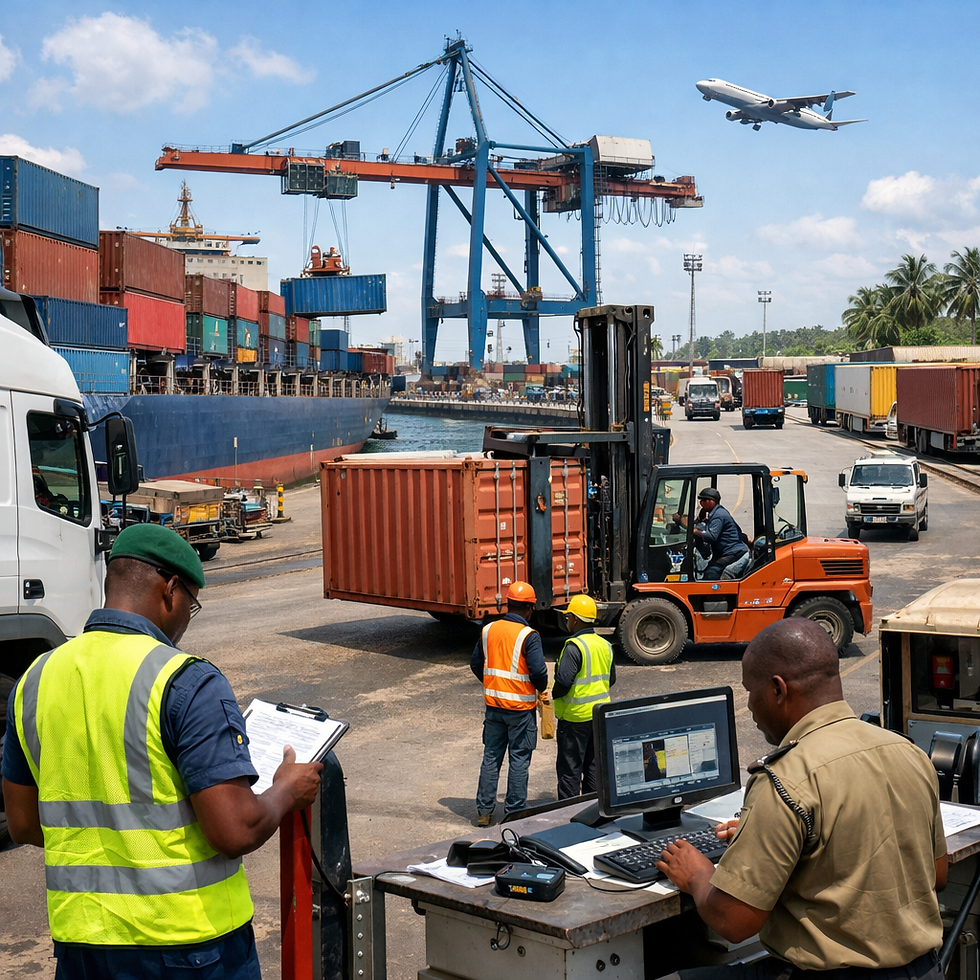
The global disruptions of recent years, from pandemics to geopolitical tensions, have underscored the fragility of extended supply chains. The GCC, acutely aware of its import reliance in many sectors, is now aggressively pursuing nearshoring and localization strategies to build greater resilience. This isn't just a preference; it's becoming a procurement mandate. Saudi Arabia, in particular, is positioning itself as a regional anchor for mining and critical minerals, leveraging its flagship mining company, Ma'aden, to expand its portfolio to include phosphate, aluminum, copper, and emerging critical minerals.
Furthermore, the Kingdom's new mining investment law and industrial financing programs are designed to support the development of commercial-scale processing zones for battery metals and rare earth elements. For international businesses, this signals a clear opportunity to establish local operations, form joint ventures, or invest in manufacturing capabilities within the GCC. Tenders will increasingly prioritize suppliers who can demonstrate local value creation, whether through job creation, technology transfer, or domestic content. Companies that can offer solutions to reduce tariff volatility and decrease reliance on single-source components will be highly attractive.
Enhanced Compliance: ESG and Continuous Supplier Monitoring
The focus on supply chain resilience goes hand-in-hand with a heightened emphasis on compliance, particularly around Environmental, Social, and Governance (ESG) factors. In 2026, I expect to see Scope 3 emissions, labor practices, and human rights data becoming standard contractual requirements in GCC tenders. This isn't merely about ticking boxes; it's about embedding sustainability and ethical conduct throughout the procurement lifecycle.
Procurement departments are also implementing continuous supplier risk monitoring. This means real-time feeds on sanctions compliance, ESG performance, cyber incidents, and financial stability will be routinely checked. For suppliers, this translates into a need for impeccable transparency, robust internal compliance mechanisms, and the ability to provide verifiable data on their operations. Being proactive in demonstrating adherence to international best practices in ESG will undoubtedly be a differentiator. This shift reflects a global trend, but the GCC's rapid adoption of these standards is noteworthy.
Participating in GCC Tenders: Practicalities for 2026
So, how does an international business effectively engage with these evolving procurement opportunities in the GCC? While specific project details, budget figures, and tender deadlines for 2026 are often released closer to the time, the general approach remains consistent.
Firstly, proactive market intelligence is non-negotiable. Platforms like TendersGo.com , the world's largest tender search engine, are invaluable for tracking opportunities across 220+ countries in 145 languages. Their AI summaries, unlimited alerts, PDF viewing, and CPV/NAICS code filtering can help identify relevant tenders in real-time. Setting up saved searches for keywords like "sovereign AI," "nearshoring," "critical minerals," or specific infrastructure projects within the GCC will ensure you don't miss crucial announcements.
Secondly, familiarization with local e-procurement portals is essential. For Saudi Arabia, the ETIMAAD e-procurement portal is the primary gateway for government tenders. The UAE also operates various federal and emirate-level procurement platforms. While direct URLs for 2026 tenders aren't yet available, understanding the registration processes, language requirements (often Arabic and English), and digital submission protocols now will save considerable time later. Many of these platforms require local registration, which might necessitate a local partner or a registered branch office.
Thirdly, be prepared for stringent qualification requirements. GCC tenders, particularly for large-scale infrastructure or strategic projects, often demand extensive financial statements, proof of past performance in similar projects, technical expertise, and detailed compliance documentation. The increasing emphasis on local content and ESG factors means businesses should be ready to articulate how their proposals contribute to these objectives. For instance, demonstrating a commitment to local hiring or sustainable practices can be a significant advantage.
Finally, consider the cultural nuances of doing business in the GCC. Building relationships, understanding local customs, and demonstrating long-term commitment are highly valued. While the procurement process is becoming more digitized and transparent, personal connections and a deep understanding of the regional business environment remain important. Engaging with local chambers of commerce, industry associations, and potential local partners early can provide invaluable insights and facilitate smoother market entry. Using services like TendersGo's B2B marketplace can help connect you with potential local collaborators or suppliers, streamlining your approach.
The GCC in 2026 is a dynamic, opportunity-rich region for international businesses willing to adapt to its strategic shifts. The convergence of economic growth, technological ambition, and a resolute push for supply chain resilience creates a unique environment. For those prepared to meet the demands of sovereign AI-driven procurement and contribute to nearshoring initiatives, the potential rewards are substantial.