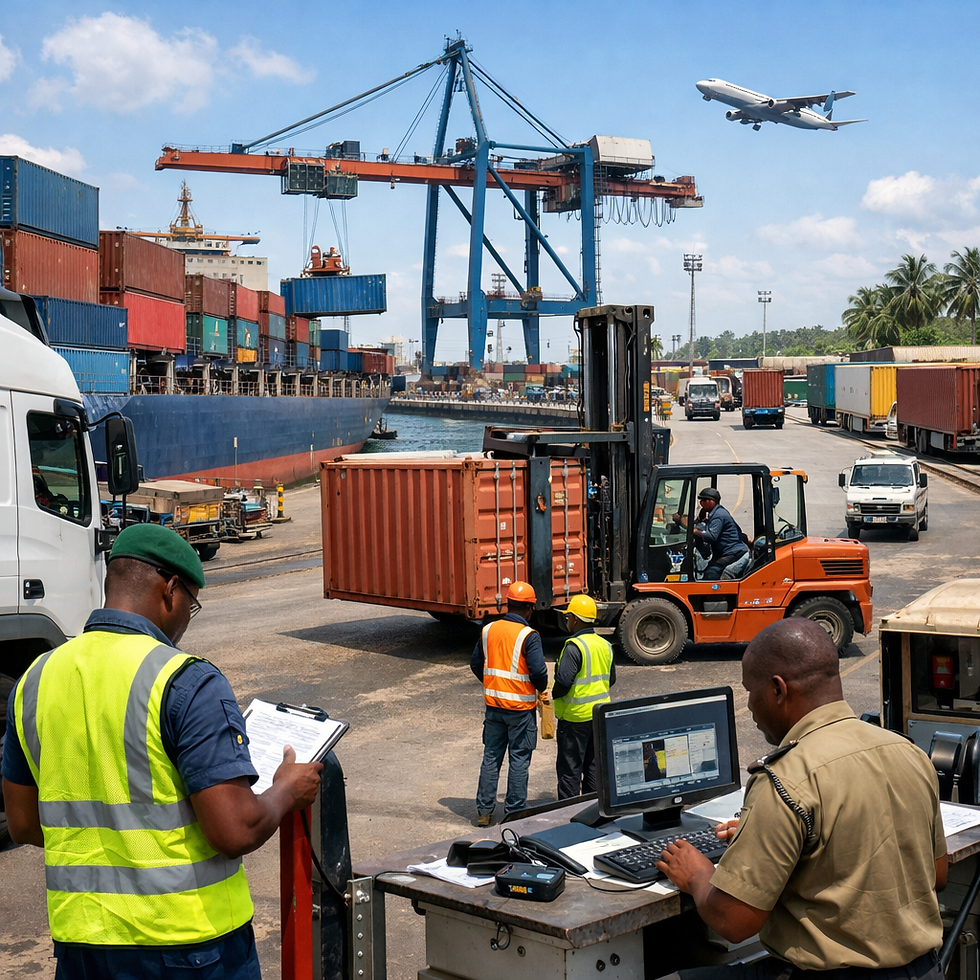
Arabian Peninsula Rail Link Race Accelerates Cross-Border Trade

The Arabian Peninsula is witnessing an accelerated push towards regional integration in 2026, with cross-border infrastructure projects like the GCC Railway and the Oman-UAE 400 kV interconnection driving significant shifts in trade and logistics. International contractors and export managers tracking opportunities in the region are closely monitoring these developments, which promise a wave of tenders for civil works, systems, and specialized equipment across multiple Gulf states. The strategic importance of connecting key economic hubs, industrial zones, and ports is reshaping the procurement landscape, moving beyond individual national projects to a more integrated regional approach.

The GCC Railway: A New Spine for Regional Trade and Passenger Flows
The long-anticipated GCC Railway project, a cornerstone of regional economic integration, has entered a critical procurement phase in 2026, particularly within Saudi Arabia. This marks a significant milestone for the ambitious 2,186 km network designed to link all six Gulf Cooperation Council (GCC) states. Saudi Arabia has initiated tendering for its section, which is reported to run from Al-Khafji in the Eastern Province to Al-Batha on the UAE border. This procurement activity signals the first substantial opportunities for international firms in the network's buildout, covering everything from earthworks and track laying to signaling systems and rolling stock.
The overall GCC railway is projected to be approximately 50% complete, with a target for full operation by December 2030. The network's country-by-country breakdown highlights the scale of the undertaking: UAE with 684 km, Saudi Arabia with 672 km, Oman with 306 km, Qatar with 283 km, Kuwait with 145 km, and Bahrain with 36 km. This distribution underscores a wide array of potential tender opportunities extending beyond Saudi Arabia's initial procurement. The Gulf Railway Authority, the coordinating body, is actively working towards the 2030 deadline, indicating a sustained pipeline of contracts over the next four years. Firms specializing in railway construction, engineering, and supply chain management should be actively monitoring tenders issued by national railway authorities across these countries, accessible through platforms like TendersGo .
Oman-UAE Rail Corridor: A Direct Link to Sohar Port
Within the broader GCC Railway framework, the Oman-UAE rail corridor stands out as a particularly advanced segment, identified as a 238 km line connecting Sohar Port to Abu Dhabi via Al Ain. This specific corridor is crucial for enhancing the logistics capabilities of Oman's Sohar Port, a major deep-sea gateway, by providing direct rail access to the UAE's economic heartland. The integration of ports with extensive rail networks is a proven strategy for reducing transit times and costs, thereby boosting regional trade competitiveness.
The development of this corridor will generate significant procurement needs. These include civil engineering contracts for bridges, tunnels, and track infrastructure, as well as opportunities for suppliers of specialized rail equipment, such as freight wagons optimized for container transport and passenger coaches for inter-city travel. The emphasis on freight and passenger integration means tenders will likely target dual-purpose solutions, or separate specialized contracts for each. International consultants with expertise in rail operations and logistics are also finding opportunities in feasibility studies, design, and project management for these critical cross-border links.
High-Speed Ambitions: The Saudi-Qatar Rail Concept
Beyond the core GCC Railway, early 2026 saw renewed momentum for a high-speed rail concept connecting Saudi Arabia and Qatar. This proposed 785 km line, designed for speeds exceeding 300 km/h, aims to drastically cut travel time between Riyadh and Doha to roughly two hours. The corridor includes intermediate stations in Saudi Arabia’s Eastern Province, such as Al-Hofuf and Dammam, indicating a broader regional impact beyond just the two capital cities. An indicative completion window of 2031–2032 suggests that feasibility studies, detailed engineering design, and initial pre-qualification tenders for major civil works could emerge in late 2026 or early 2027.
Projects of this magnitude require highly specialized expertise in high-speed rail technology, including advanced signaling and communication systems, electrification, and specialized rolling stock capable of sustained high velocities. Firms with a track record in European or Asian high-speed rail projects will find these developments particularly relevant. The involvement of multiple stakeholders and potential public-private partnership (PPP) models could also open doors for financial advisory services and investment consortia. Keeping track of the initial tendering phases for such complex projects is critical for positioning, and TendersGo provides advanced filters to monitor specific CPV codes related to high-speed rail infrastructure across the Arabian Peninsula.
Powering the Corridor: The Oman-UAE 400 kV Interconnection
Complementing the rail network, the Oman-UAE electricity interconnection is progressing rapidly, with a target completion in Q4 2026. This US$700 million project involves a 528–530 km, 400 kV transmission link between Al Sila/Silaa (UAE) and Ibri (Oman), along with new substations in Ibri and Al Baynounah, and dynamic compensation equipment. This infrastructure will lift transfer capacity to an impressive 1,600 MW, significantly enhancing grid stability and energy security across the two nations.
The financing for this critical project has been secured, with US$100 million from the Qatar Development Fund in February 2025 and US$500 million from Sohar International Bank in September 2025. The GCC Interconnection Authority and Oman’s national grid operator, Oman Electricity Transmission Company (OETC), are the key implementing bodies. While major awards for construction and equipment have largely been made, opportunities still exist for specialized installation packages, testing and commissioning services, and ongoing maintenance contracts. A related UAE-side reinforcement package, valued at US$205.5 million, includes a 96 km 400 kV overhead line from Salwa Substation to Al-Sila Substation, plus switchgear expansion and shunt reactors, offering further procurement avenues for power sector specialists.
Regional Infrastructure Spending and Procurement Implications
The combined investment in rail and power infrastructure across the Arabian Peninsula underscores a significant regional infrastructure spending trend in 2026. The GCC Interconnection Authority (GCCIA) and national entities like OETC and Saudi rail authorities are the primary drivers of these procurement activities. For international suppliers, this means monitoring not only national procurement portals but also regional bodies that coordinate multi-country projects.
The procurement implications are substantial. For the rail sector, this includes tenders for civil engineering, track materials, signaling and telecommunication systems, rolling stock (both freight and passenger), depot equipment, and station construction. There will also be a demand for consultancy services covering project management, environmental impact assessments, and operational planning. In the power sector, ongoing opportunities include specialized installation services for transmission lines and substations, high-voltage equipment, control systems, and smart grid technologies as the interconnection moves towards operational readiness.
Enhancing Trade Corridors and Logistics Efficiency
The overarching rationale behind these massive infrastructure investments is to reduce transit friction and enhance trade corridors across the UAE, Oman, Saudi Arabia, Qatar, Kuwait, and Bahrain. The rail network, explicitly designed for freight and passenger integration, will connect major ports, industrial zones, and border nodes, creating a more efficient and resilient logistics backbone. This will facilitate the movement of goods from key maritime gateways like Sohar and Jebel Ali to inland distribution centers, significantly reducing reliance on road transport and improving supply chain predictability.
The power interconnection, while distinct, plays a supportive role by strengthening the energy infrastructure necessary for the industrial and logistics expansion along these new corridors. Reliable and affordable power is essential for operating rail networks, port facilities, and manufacturing hubs that will benefit from improved connectivity. International logistics providers, freight forwarders, and investors in industrial parks are closely watching these developments, as they will directly impact their operational models and investment strategies in the region. Tracking these multifaceted opportunities, from large-scale civil works to specialized equipment and consultancy, requires a comprehensive platform like TendersGo , which offers detailed insights into procurement notices across 220+ countries and all sectors, including specific alerts for the Arabian Peninsula.