ASEAN’s Digital Trade Deal Nears Seal as Logistics Rules Align

The Association of Southeast Asian Nations (ASEAN) is on the cusp of formalizing a pivotal digital trade agreement, a development poised to reshape cross-border commerce and procurement across the region. Negotiations for the ASEAN Digital Economy Framework Agreement (DEFA) concluded in Manila between May 27-29, 2026, with the pact now slated for signature at the 49th ASEAN Summit in November 2026. This comprehensive framework, encompassing digital trade, e-commerce, data governance, and cybersecurity, arrives concurrently with significant advancements in regional logistics and customs integration through the ASEAN Single Window 2.0 (ASW 2.0) roadmap, promising to streamline operations for international contractors and export managers targeting ASEAN’s burgeoning digital economy.

The confluence of DEFA and ASW 2.0 signals a concerted effort by the 11 ASEAN member states to solidify their collective digital economic footprint, projected by the World Economic Forum to reach a staggering $2 trillion by 2030. This push for digital harmonization and trade facilitation presents a fertile ground for international suppliers specializing in IT infrastructure, cybersecurity, and logistics solutions. TendersGo, with its extensive coverage across 220+ countries, is already tracking early indicators of procurement activity related to these initiatives, offering a critical resource for businesses aiming to capitalize on these regional opportunities. The rapid ratification period of 180 days post-signing for DEFA underscores the urgency and commitment of member nations to implement these reforms swiftly.
ASEAN Digital Economy Framework Agreement (DEFA): A New Regional Standard
The conclusion of DEFA negotiations in Manila marks a significant milestone in ASEAN's journey toward deeper economic integration. This agreement, the region’s first comprehensive digital-economy pact, extends far beyond simple trade tariffs, delving into crucial aspects of modern commerce. It explicitly covers digital trade, cross-border e-commerce, and robust data governance and privacy protocols, establishing a common regulatory environment across member states. Furthermore, DEFA addresses digital identity, electronic payments, and online safety, creating a more secure and interoperable digital ecosystem.
Cybersecurity cooperation and competition policy are also integral components of DEFA, aiming to foster a fair and secure digital marketplace. The inclusion of provisions for Artificial Intelligence (AI) and digital talent mobility reflects ASEAN’s forward-looking approach, preparing the region for future technological advancements and ensuring a skilled workforce. All 11 ASEAN member states, including Brunei Darussalam, Cambodia, Indonesia, Laos, Malaysia, Myanmar, Philippines, Singapore, Thailand, Vietnam, and Timor-Leste, have been active participants in these negotiations, indicating a broad consensus on the framework's necessity and scope. The anticipated signature at the 49th ASEAN Summit in November 2026 will formalize these commitments, setting the stage for national-level implementation.
The economic implications of DEFA are substantial for international businesses. A unified approach to digital regulations across countries like Singapore, Indonesia, and Vietnam, for instance, reduces compliance complexities for companies operating regionally. This harmonization means a single set of standards for data protection or e-commerce transactions could apply from Hanoi to Jakarta, rather than navigating disparate national rules. For export managers, understanding these converging regulations is paramount, as they will directly impact market entry strategies and operational costs. The framework aims to reduce friction points for digital services and goods, making the ASEAN market more attractive and accessible for international providers.
Logistics and Customs Integration: Powering Cross-Border Trade
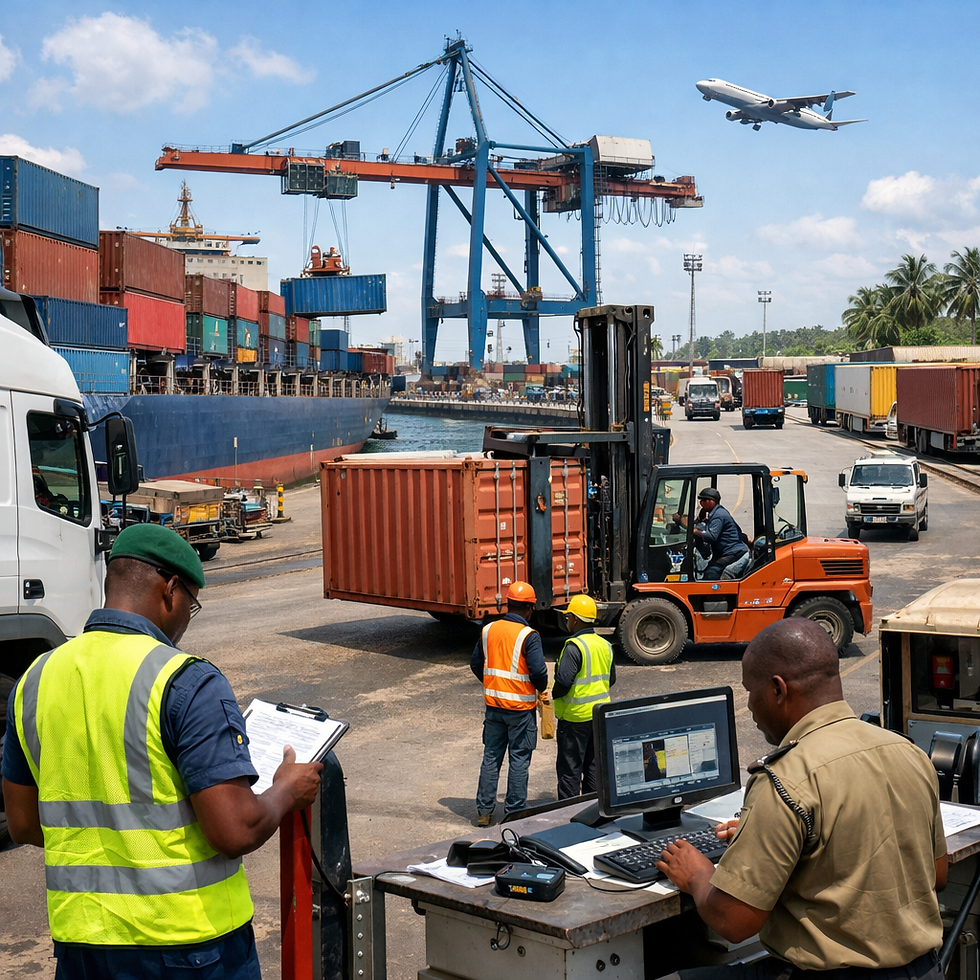
Parallel to DEFA’s progress, ASEAN customs authorities have advanced the Roadmap for the Next Generation of ASEAN Single Window (ASW 2.0) (2026–2030), a critical initiative for physical and digital trade facilitation. This roadmap, endorsed in 2026, is designed to significantly expand the electronic exchange of trade administration documents within ASEAN. Countries like Thailand, Malaysia, and the Philippines are already leveraging existing ASW infrastructure, but ASW 2.0 aims for a more profound integration, establishing seamless exchanges with external partners beyond the bloc. This expansion is vital for international logistics providers and freight forwarders, who often grapple with varied documentation requirements across borders.
The policy intent behind ASW 2.0 is clear: accelerate paperless trade, improve customs clearance efficiency, strengthen security protocols, and ultimately reduce trade transaction costs. ASEAN finance ministers have welcomed the roadmap’s new technical specifications and its directive to establish a legal basis for electronic trade-document exchange with external partners. This legal underpinning is crucial for ensuring the acceptance and validity of digital documents in jurisdictions outside ASEAN, fostering smoother trade flows with major partners like China, Japan, and the European Union. For example, a digitally signed Certificate of Origin issued in Vietnam could be directly recognized by customs in South Korea, significantly cutting down processing times.
The implications for procurement in this domain are substantial. ASW 2.0 necessitates significant investments in customs IT systems, secure document-exchange platforms, and interoperability layers. International suppliers specializing in these areas should anticipate tenders from national customs agencies across ASEAN. Furthermore, the emphasis on strengthening security will drive demand for advanced cybersecurity controls and solutions to protect sensitive trade data. Companies like those providing blockchain-based secure document transfer or AI-powered customs analytics will find a receptive market as ASEAN countries upgrade their trade infrastructure. The drive to reduce compliance costs through ASW 2.0 creates a direct incentive for governments to invest in efficient, digitally-driven solutions.
Procurement Opportunities and Implementation Pathways in 2026
The dual tracks of DEFA and ASW 2.0 create a clear pipeline of procurement opportunities for international firms in 2026 and beyond. The implementing bodies will primarily be ASEAN Senior Economic Officials, ASEAN customs authorities, ASEAN finance ministers, and national trade ministries. These agencies will be responsible for translating the framework agreements into tangible projects and national policies, driving demand for external expertise and technology solutions. For instance, the Ministry of Commerce in Cambodia, the Ministry of Trade in Indonesia, or the Department of Trade and Industry in the Philippines will likely issue tenders related to digital trade infrastructure.
Specifically, ASW 2.0 implies upcoming tenders for a range of critical technologies. This includes advanced customs IT systems capable of handling increased electronic data volumes and complex interoperability requirements. Secure document-exchange platforms, which can facilitate the seamless transfer of trade documents between different national systems and with external partners, will be in high demand. The need for interoperability layers is paramount to ensure that diverse national systems can communicate effectively, regardless of their underlying technology. Furthermore, the integration of digital identity and e-payment systems within the trade ecosystem will necessitate solutions that are robust, secure, and compliant with international standards.
Cybersecurity controls will be a continuous area of investment, given the sensitive nature of trade data and the imperative to protect against cyber threats. Legal and technical consulting services will also be crucial, as member states navigate the complexities of harmonizing national laws with DEFA and ASW 2.0 requirements. For example, a consulting firm specializing in cross-border data privacy regulations could find significant engagements helping countries like Laos or Myanmar align their frameworks. Firms handling ASEAN-origin shipments must prepare for tighter requirements around electronic documentation, customs pre-clearance, and system compatibility, indicating a shift towards more automated and integrated trade operations. TendersGo provides a robust platform for tracking these specific procurements, allowing businesses to set up unlimited alerts using CPV/NAICS codes for customs modernization, e-signatures, and digital identity projects across ASEAN nations via app.tendersgo.com .
Aligning National Policies for a Seamless Digital Economy
DEFA’s ASEAN-wide scope signifies a departure from bilateral digital trade agreements, aiming instead for a unified regional framework. This regional approach necessitates a concerted effort by individual ASEAN members to align their national policies on digital trade, e-commerce, data, and customs. Countries like Singapore, already a leader in digital governance, will likely serve as benchmarks, while others like Cambodia and Laos will accelerate their digital transformation efforts to meet regional standards. This policy alignment is not a passive process; it involves legislative changes, regulatory updates, and significant investment in national infrastructure.
The explicit link between DEFA and ASW 2.0 and the objective of paperless trade and lower transaction costs drives this policy harmonization. For instance, Vietnam’s Ministry of Industry and Trade might revise its e-commerce laws to be fully compatible with DEFA’s provisions on cross-border data flows, while the Philippine Bureau of Customs updates its systems to seamlessly integrate with ASW 2.0’s electronic document exchange protocols. This coordinated approach provides a predictable regulatory environment for businesses, reducing the risks associated with fragmented national digital policies. International investors and businesses can anticipate a more standardized operating environment, making market entry and expansion less complex.
The commitment to establishing a legal basis for electronic trade-document exchange with external partners, as highlighted by ASEAN finance ministers, extends the impact of these policies beyond the bloc. This move suggests that the digital trade infrastructure being built within ASEAN is designed for global interoperability. For example, a company importing goods from Malaysia to the European Union might eventually find that the electronic customs declarations submitted via ASW 2.0 are directly recognized by EU customs systems, thanks to these legal frameworks. This global outlook presents further opportunities for technology providers specializing in international trade standards and interoperability solutions, ensuring that ASEAN remains a competitive and connected trading region.
Key Dates and Financial Projections Driving Regional Momentum
The timeline for these initiatives is aggressive, reflecting ASEAN’s determination to solidify its digital economic foundation. The conclusion of DEFA negotiations occurred between May 27-29, 2026, in Manila, with public announcements following on May 30 and 31, 2026. The critical milestone of DEFA’s formal signature is scheduled for November 2026, at the 49th ASEAN Summit. This event will trigger the 180-day ratification target for each member country, signaling a rapid push for national implementation and legislative alignment.
The ASW 2.0 roadmap operates on a 2026–2030 timeframe, indicating a sustained period of investment and development in trade facilitation infrastructure. This multi-year horizon provides a stable planning environment for international contractors and technology providers. The projected $2 trillion valuation of ASEAN’s digital economy by 2030 underscores the immense economic potential driving these initiatives. This figure represents not just digital services and e-commerce, but also the digital transformation of traditional industries, all of which will benefit from the streamlined processes enabled by DEFA and ASW 2.0.
These dates and financial projections offer a clear roadmap for businesses looking to engage with the ASEAN market. The period immediately following the November 2026 DEFA signing will be crucial for understanding specific national implementation plans and associated procurement cycles. The ongoing ASW 2.0 implementation will generate continuous demand for upgrades and new systems. Tracking these developments through platforms like TendersGo will be essential for identifying opportunities in real-time, allowing businesses to prepare bids for customs modernization, digital identity, and secure document exchange projects as they arise across countries like Indonesia, Thailand, and Singapore.
Strategic Positioning for International Suppliers and Investors
For international contractors, export managers, and investors, the convergence of DEFA and ASW 2.0 creates a strategic imperative to re-evaluate engagement with the ASEAN market. The upcoming procurements will not be limited to large-scale infrastructure projects but will also include specialized services such as legal harmonization, platform integration, and cybersecurity upgrades. For instance, as countries like Vietnam and the Philippines ratify DEFA, there will be a demand for legal experts to help draft and implement national legislation consistent with the agreement’s provisions on data governance and digital trade.
Technology firms specializing in interoperability solutions will find significant opportunities in connecting existing national systems to the broader ASW 2.0 network. This involves developing APIs, middleware, and data exchange protocols that ensure seamless communication between diverse government agencies and private sector stakeholders across nations. Cybersecurity providers will be in high demand to bolster the digital defenses of national trade and customs systems, particularly as more sensitive data is exchanged electronically. The emphasis on digital identity and e-payments within DEFA will also drive tenders for secure authentication systems and payment gateways that can operate across borders within ASEAN.
Businesses should proactively monitor national customs, trade ministries, and economic councils in all ASEAN states for Requests for Proposals (RFPs) related to these initiatives. Setting up targeted alerts on TendersGo using keywords like "customs IT systems," "digital trade platform," or "cross-border data exchange" will be critical. The platform’s ability to filter tenders by country and sector, coupled with its AI summaries, offers a distinct advantage in identifying relevant opportunities. The impending ratification of DEFA in early 2027 and the ongoing ASW 2.0 roadmap mean that the next few years will see a sustained wave of procurement, shaping the future of digital commerce and logistics across the dynamic ASEAN region.