Micronesia Maritime Security Drill Signals Bigger Pacific Stakes

The recent conclusion of Operation Irensia 2026, a 13-day multilateral maritime security exercise centered in Apra Harbor, Guam, signals a significant escalation in regional cooperation and strategic alignment across Micronesia. This year's iteration, which wrapped up on June 7, 2026, brought together over 120 personnel from the Federated States of Micronesia (FSM), Palau, the Marshall Islands, the U.S., and Australia. This represents a substantial increase from the 72 personnel involved in the inaugural 2024 exercise, underscoring a deliberate expansion of regional security integration rather than a singular event. International contractors, export managers, and business development teams targeting cross-border opportunities in the Pacific maritime sector should note this sustained commitment to enhancing collective operational capabilities in the region, particularly as it relates to maritime security exercise 2026 and the Pacific Maritime Security Program.
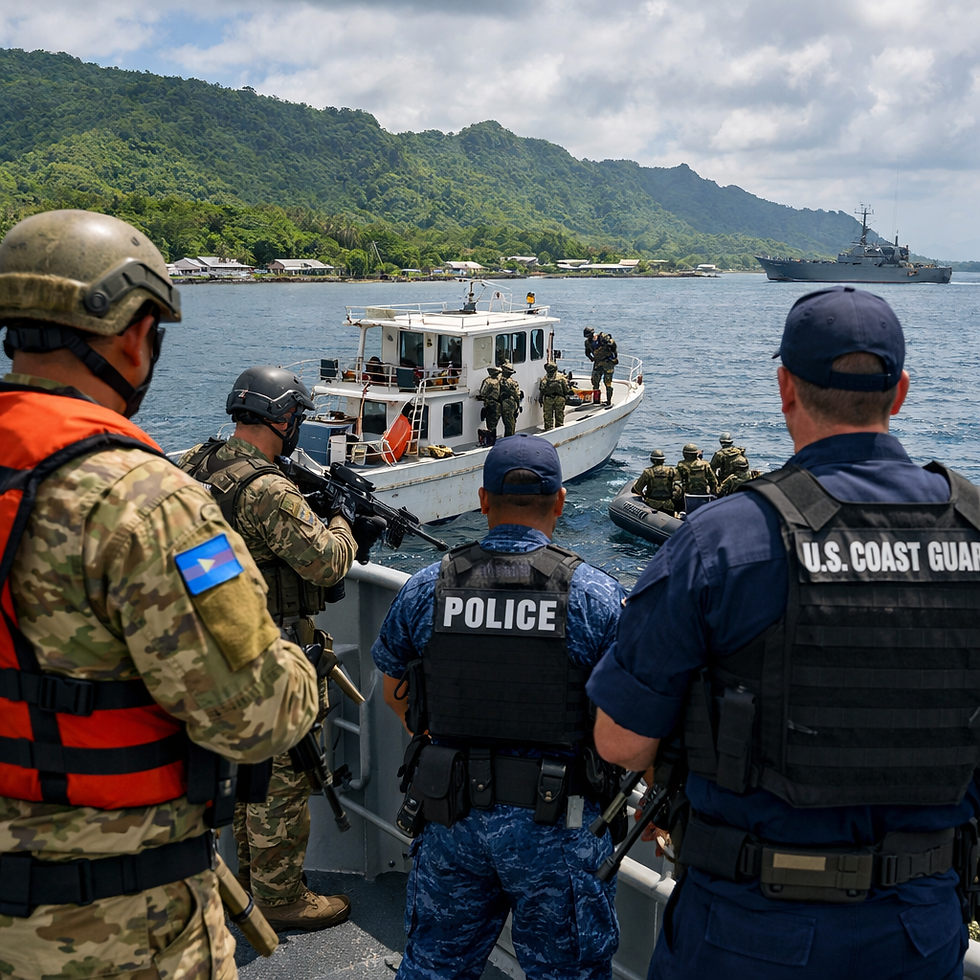
The exercise specifically involved patrol boat crews from the FSS Bethwel Henry, FSS Tosiwo Nakayama, PSS President H.I. Remeliik II, and RMIS Jelmae, working alongside the U.S. Coast Guard Forces Micronesia/Sector Guam and Australian Maritime Security Advisers. Training focused on critical areas such as maritime law enforcement, counter-narcotics boarding procedures, damage control, formation operations, and expanded underway exercises. This comprehensive approach builds interoperability and standardizes procedures across the participating Freely Associated States (FAS), which include FSM, Palau, and the Marshall Islands. The U.S. Coast Guard, as the lead agency, operates under the broader framework of the Compacts of Free Association, providing a consistent operational and logistical backbone for these recurring drills. The biannual nature of Operation Irensia means a predictable cycle of training and potential procurement needs for support services and equipment. TendersGo provides an excellent platform to track these recurring opportunities, particularly by setting up alerts for specific CPV codes related to maritime defense, training, and vessel maintenance across these nations via app.tendersgo.com .
Expanding Regional Maritime Security and Law Enforcement
The operational trajectory of Operation Irensia 2026 is explicitly linked to the Pacific Maritime Security Program, a crucial initiative bolstering maritime domain awareness and sovereignty enforcement across a vast operating area. The U.S. Coast Guard Forces Micronesia/Sector Guam plays a central role, leveraging its strategic presence in the region. Australian Maritime Security Advisers contribute specialized expertise, further cementing a trilateral security architecture that extends beyond traditional bilateral engagements. This collaborative model ensures that the patrol boat fleets of FSM, Palau, and the Marshall Islands are not just individually capable, but also highly interoperable for joint search, interdiction, boarding, and patrol coordination across their respective Exclusive Economic Zones (EEZs). The increased personnel count from 72 in 2024 to over 120 in 2026 signifies a deepening commitment and resource allocation towards these shared security objectives.
For FSM, Palau, and the Marshall Islands, the benefits are tangible: improved joint boarding and patrol procedures, more consistent crew rotation, and increased underway experience for their national vessels. This integrated approach fosters a more cohesive Pacific maritime security posture in the North Pacific and Micronesian subregion. The shared training pipeline centered in Guam reduces individual training burdens and promotes a unified response mechanism for regional threats. This collective capacity building is critical for managing vast ocean territories, particularly against illicit activities such as illegal, unreported, and unregulated (IUU) fishing, drug trafficking, and other transnational crimes. The involvement of specific patrol boats like the FSS Bethwel Henry and PSS President H.I. Remeliik II highlights the concrete assets being integrated into this regional security framework, underscoring the ongoing need for their maintenance, upgrades, and operational support.
The broader context of intensified external naval engagement in the region during 2026 further validates the strategic importance of Operation Irensia. The Japan Maritime Self-Defense Force (JMSDF) Indo-Pacific Deployment 2026, for instance, includes visits to the Marshall Islands, FSM, and Palau between April 13 and September 16, 2026. This parallel activity reinforces the pattern of increased international focus on Micronesian maritime security. Such visits often involve port calls, goodwill gestures, and sometimes joint training exercises, providing additional opportunities for knowledge exchange and interoperability. For international suppliers, this confluence of naval activities points to a robust and expanding market for maritime security solutions, from vessel components to surveillance technologies and training services. Firms can explore opportunities by monitoring tender releases from these nations and their international partners on platforms like www.tendersgo.com/countries , filtering by specific sectors such as defense, security, and transportation.
Commercial Shipping Implications and Procurement Opportunities
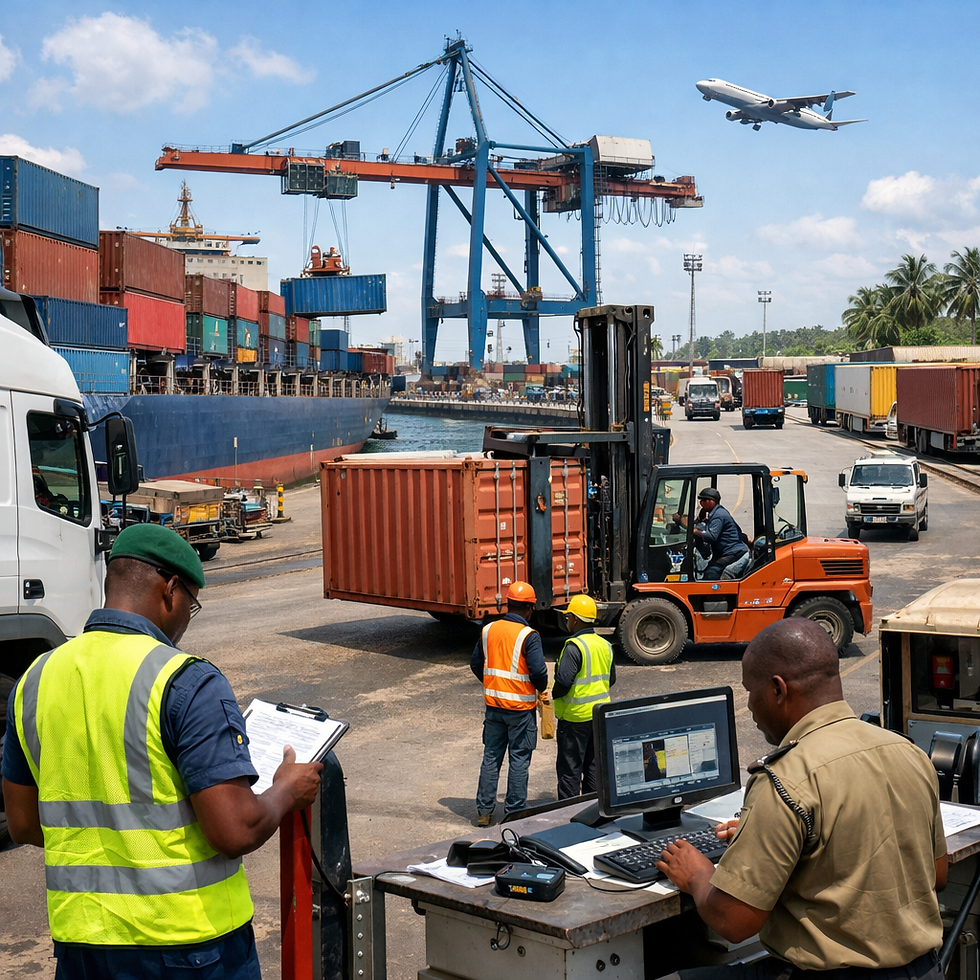
While Operation Irensia 2026 primarily focuses on security and law enforcement, its implications for commercial shipping, though indirect, are significant. The enhancement of law-enforcement capacity and improved formation operations in Guam's coastal waters contribute directly to a safer maritime environment around a key transshipment and port hub. Guam serves as a vital logistical node in the Western Pacific, handling considerable commercial traffic. Stronger maritime policing capabilities reduce risks from piracy, smuggling, and other illegal activities that can disrupt trade flows and increase insurance costs for commercial vessels. Although the provided research does not detail 2026 shipping volumes or port throughput figures, a more secure maritime domain inherently supports predictable and efficient commercial operations. This foundational security is critical for attracting and sustaining commercial shipping interests in the region.
The exercise demonstrates a sustained demand for several categories of procurement. Patrol boat maintenance is a continuous requirement, encompassing everything from engine parts and hull repairs to navigation systems and communication equipment. Boarding equipment, essential for counter-narcotics and interdiction operations, includes specialized tools, protective gear, and non-lethal deterrents. Training support involves not only personnel but also simulation technologies, training aids, and logistical services for ongoing exercises. Communications infrastructure, vital for real-time coordination between vessels and command centers, requires continuous upgrades and maintenance, covering satellite communications, secure radio systems, and data transmission networks. Finally, maritime surveillance integration, including radar systems, drone technology, and data analytics platforms, is crucial for comprehensive domain awareness across the vast EEZs of FSM, Palau, and the Marshall Islands.
Procurement officials in FSM, Palau, and the Marshall Islands, often working in conjunction with U.S. and Australian funding or expertise, will periodically issue tenders for these requirements. While Operation Irensia 2026 itself did not directly announce a new tender, the recurring nature of the exercise and the long-term commitments under the Pacific Maritime Security Program ensure a steady pipeline of opportunities. International suppliers should actively track procurement notices from agencies such as the U.S. Coast Guard, the Australian Department of Defence, and the relevant maritime authorities in the Freely Associated States. This includes monitoring solicitations for vessel spare parts, specialized training contracts, communication system upgrades, and maritime surveillance technology. Platforms like TendersGo offer advanced search capabilities to identify these opportunities using specific CPV codes and geographical filters, providing a competitive edge for companies seeking to engage in the regional market.
Micronesia Regional Security and Commercial Shipping Dynamics
The strategic importance of Micronesia, encompassing the Federated States of Micronesia, Palau, and the Marshall Islands, cannot be overstated in the broader Indo-Pacific context. These island nations control vast ocean territories that are critical for international shipping lanes and strategic military movements. The enhanced maritime security capabilities developed through Operation Irensia directly contribute to regional stability, which is a prerequisite for sustained economic growth and commercial shipping activity. While the immediate focus is on law enforcement and defense, the indirect benefits to commercial shipping are clear: reduced risks for cargo vessels, safer transit routes, and a more predictable operational environment for maritime trade. This stability encourages investment and fosters confidence among international shipping companies operating in the region. The commitment of resources and personnel from five nations highlights the collective recognition of this strategic imperative.
The training received by crews on vessels like the FSS Bethwel Henry and RMIS Jelmae extends beyond tactical drills; it builds institutional capacity within these nations' maritime agencies. This includes developing expertise in maintenance planning, logistics management, and operational command and control. These skills are transferable and beneficial for managing national maritime assets beyond security operations, such as supporting fisheries management, environmental protection, and search and rescue missions. The presence of Australian Maritime Security Advisers under the Pacific Maritime Security Program ensures that best practices and international standards are integrated into the training, further professionalizing the maritime forces of the Freely Associated States. This long-term investment in human capital and operational readiness creates sustained demand for training programs, technical assistance, and specialized equipment.
For international businesses, understanding the funding mechanisms behind these initiatives is crucial. The U.S. commitments under the Compacts of Free Association provide a stable financial foundation for many of these security enhancements. Australian aid and defense cooperation programs also channel significant resources into regional maritime security. These funding streams create opportunities for companies specializing in defense contracting, maritime technology, and logistical support services. Tenders often originate from U.S. government agencies, Australian defense procurement bodies, or directly from the governments of FSM, Palau, and the Marshall Islands, sometimes in collaboration. Companies should regularly check procurement portals of these governments and international development banks for upcoming solicitations. TendersGo's AI summaries and unlimited alerts feature can be particularly useful for identifying relevant opportunities quickly and efficiently across these diverse sources, providing a competitive advantage in this complex market.
Interoperability and Future Regional Expansion
The emphasis on interoperability during Operation Irensia 2026 is a cornerstone of its effectiveness. By training FSM, Palau, and Marshall Islands patrol boat crews together in counter-narcotics boarding procedures and formation operations, the exercise ensures that these nations can operate seamlessly during joint missions. This shared operational doctrine is vital for coordinating responses to maritime threats that often transcend national borders. For example, a drug trafficking vessel interdicted in Palau's waters might have originated from or be bound for FSM or the Marshall Islands. Coordinated responses, facilitated by common training and communication protocols, significantly enhance the effectiveness of law enforcement efforts across the region. This level of coordination necessitates compatible equipment and standardized procedures, creating a demand for systems that can integrate across different national platforms.
The biannual schedule of Operation Irensia suggests a long-term vision for regional security integration. Each iteration builds upon the last, incorporating lessons learned and expanding the scope of training. Future exercises are expected to further expand law-enforcement and underway training, potentially introducing more complex scenarios and involving additional assets. This continuous improvement cycle means that the demand for advanced maritime security solutions will likely grow. This could include requirements for sophisticated surveillance systems, enhanced communication technologies, specialized training courses for advanced maritime operations, and even potential upgrades or replacements for existing patrol vessels. Companies should position themselves as long-term partners capable of providing continuous support and technological upgrades rather than one-off sales. Monitoring procurement trends and anticipating future needs through platforms like sectors.tendersgo.com can provide invaluable insights into these evolving requirements.
The success of Operation Irensia 2026 also sets a precedent for potential expansion to other Pacific Island nations. While the current focus is on the Freely Associated States due to specific Compact agreements, the demonstrated benefits of multilateral training and interoperability could attract interest from other regional partners. This broader regional context, combined with the significant external naval engagements like the JMSDF Indo-Pacific Deployment 2026, reinforces the strategic importance of the Micronesian subregion. For businesses, this translates into a dynamic and growing market for maritime security and defense-related goods and services. Early engagement and a deep understanding of regional geopolitical dynamics, procurement processes, and funding sources will be critical for success. Leveraging tools that provide comprehensive tender intelligence, such as TendersGo, which covers 220+ countries and all sectors, becomes indispensable for identifying and capitalizing on these cross-border opportunities.
Sustained Demand for Maritime Support Services
The sustained operational tempo indicated by Operation Irensia 2026 directly translates into a consistent demand for a wide array of maritime support services. This extends beyond the initial procurement of vessels and equipment to encompass ongoing logistical support, maintenance contracts, and specialized technical assistance. For instance, the regular operation of patrol boats like the FSS Tosiwo Nakayama and PSS President H.I. Remeliik II necessitates steady supplies of fuel, spare parts, and routine servicing. This creates opportunities for local and international companies specializing in marine engineering, ship repair, and logistical supply chains. The involvement of multiple nations also implies a need for standardized parts and interchangeable components, driving demand for suppliers who can meet these specifications. Long-term service agreements for fleet maintenance, including dry-docking and overhaul services, represent significant, recurring revenue streams for qualified contractors.
Beyond hardware, the human element of maritime security requires continuous investment. Training programs for crew members, from basic seamanship to advanced tactical operations, are essential. This includes specialized courses in maritime law enforcement, search and rescue, and environmental protection. Educational institutions and private training providers with expertise in maritime academies and defense training can find opportunities in developing and delivering these programs. The U.S. Coast Guard and Australian Maritime Security Advisers often facilitate these training initiatives, but external contractors are frequently sought for niche areas or to augment existing capabilities. Companies offering simulation technologies, e-learning platforms, and on-site training solutions should actively monitor opportunities related to capacity building within the maritime forces of FSM, Palau, and the Marshall Islands. Tracking these diverse procurement categories is streamlined through TendersGo, which allows users to filter by specific services and regions, ensuring no relevant tender goes unnoticed.
The integration of new technologies, particularly in maritime surveillance, also presents a growing market. As the Freely Associated States seek to enhance their maritime domain awareness across vast EEZs, there will be ongoing demand for radar systems, satellite imagery analysis, unmanned aerial vehicles (UAVs) and unmanned surface vessels (USVs), and sophisticated data fusion platforms. These technologies enable better monitoring of remote areas, identification of suspicious activities, and more efficient deployment of patrol assets. Companies specializing in aerospace, defense electronics, and artificial intelligence for maritime applications should anticipate tenders for these advanced solutions. The collaborative nature of Operation Irensia ensures that these technological procurements often align with broader regional security objectives, potentially involving joint funding or coordinated acquisition strategies among the participating nations. Staying informed about these strategic alignments through regional intelligence platforms like continents.tendersgo.com is crucial for strategic business planning.