SADC Summit in Durban Could Reset Trade, Energy and Security Priorities

SADC’s Durban Summit: Driving Cross-Border Trade, Energy, and Industrial Integration in 2026
Durban, South Africa – On August 17, 2026, the Southern African Development Community (SADC) will convene its 46th Ordinary Summit of Heads of State and Government at the Durban International Conference Centre. Hosted by President Cyril Ramaphosa, the summit operates under the theme, “Resilient, sustainable and inclusive industrialisation through Infrastructure Development, Agricultural and Critical Minerals Transformation in Pursuit of a Just World.” This agenda signals a concerted regional effort to accelerate tangible implementation across critical sectors, with a particular focus on cross-border infrastructure, trade facilitation, and energy transition, presenting significant opportunities for international contractors and suppliers in the SADC region.

The policy direction for 2026, articulated through various preparatory meetings, emphasizes industrialisation, infrastructure, agriculture, critical minerals, trade integration, and energy transition. SADC’s internal assessments highlight persistent challenges, such as the low intra-regional trade figure of 23%, alongside modest gains in manufactured goods trade, which rose from 19% to 22%. This underscores a strategic shift towards execution discipline, moving beyond policy declarations to concrete project delivery and financing mechanisms. International businesses tracking regional tenders will find the upcoming summit a critical juncture for understanding procurement priorities, particularly in power infrastructure, digital trade solutions, and border management systems. TendersGo, with its extensive database covering 220+ countries, remains a vital resource for identifying these emerging opportunities across SADC member states, including Angola, Namibia, Malawi, Mozambique, Tanzania, and Zambia. Search for relevant tenders at app.tendersgo.com .
Regional Trade and Market Integration: Unlocking SADC’s Economic Potential
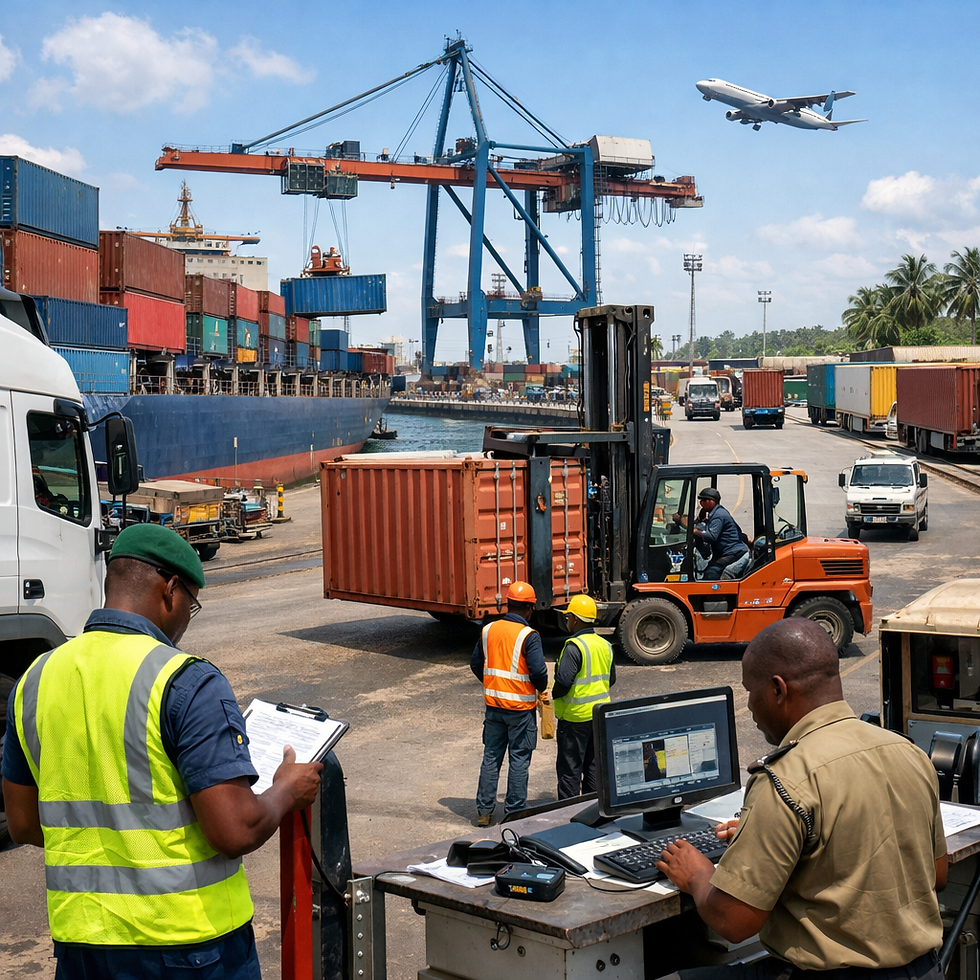
The persistent challenge of low intra-regional trade, currently at 23%, remains a central focus for SADC member states. Senior officials have repeatedly stressed the urgency of facilitating efficient and faster movement of goods across borders, a move critical for bolstering food security and regional economic resilience. South Africa's Council of Ministers noted the incremental rise in intra-SADC trade in manufactured goods from 19% to 22%, a modest but positive indicator of regional value-chain integration efforts. However, non-tariff barriers (NTBs) continue to impede commerce, prompting continued efforts in trade facilitation. The rollout of the electronic certificate of origin in 2022 and the establishment of one-stop border posts represent key initiatives aimed at streamlining customs processes and reducing administrative burdens for traders across the region.
Small-scale traders, who account for up to 60% of cross-border commerce, are a significant demographic whose needs are driving reforms in customs simplification and border procedures. This emphasis on facilitating smaller enterprises signals a broader commitment to inclusive economic growth, creating demand for accessible digital platforms and simplified regulatory frameworks. The Durban Summit is poised to reinforce the implementation of these trade facilitation measures, rather than introduce entirely new liberalization commitments. This translates into procurement opportunities for international firms specializing in customs digitalization, border management systems, and trade logistics consulting. Countries like Botswana, Zimbabwe, and Zambia, with their critical land corridors, stand to benefit significantly from these enhancements, requiring solutions that can integrate disparate national systems into a cohesive regional network. Firms can track these opportunities by setting up alerts for CPV codes related to customs software and border infrastructure on TendersGo.
The focus on removing NTBs and enhancing border efficiency points to a pipeline of tenders related to digital solutions for trade documentation, such as blockchain-enabled supply chain tracking and electronic data interchange (EDI) systems. The harmonization of customs procedures across countries like Mozambique, Malawi, and Tanzania will require expert consultancy and robust IT infrastructure. This drive towards greater efficiency is not just about reducing costs but also about increasing the competitiveness of SADC goods in global markets. The SADC Secretariat, in its 2026-2027 Annual Corporate Plan, has prioritized industrial development and market integration, indicating that procurement in these areas will be aligned with the broader regional strategy. International suppliers should prepare for tenders seeking innovative solutions that can bridge existing infrastructural and digital gaps, particularly those that can be scaled across multiple member states to support regional value chains.
Powering the Region: SADC’s Energy Transition and Infrastructure Pipeline
SADC’s energy agenda for 2026 is characterized by a strong commitment to regional interconnectivity and clean energy solutions. The 2026 SADC Sustainable Energy Week, held from February 23 to 27 in Victoria Falls, Zimbabwe, under the theme “Driving Regional Economic Growth through Clean Energy and Energy Efficiency,” underscored the urgency of these priorities. Jointly hosted by Zimbabwe’s Ministry of Energy and Power Development and SACREEE, the event concluded with concrete actions, including expediting key regional interconnector projects. These include the Angola–Namibia, Malawi–Mozambique, and Tanzania–Zambia lines, all critical for enhancing power trading through the Southern African Power Pool (SAPP).
The SADC’s commitment to accelerating universal electricity access by 2030 is driving investments in decentralized energy solutions such as mini-grids, solar rooftop systems, and various off-grid technologies. This push creates substantial procurement opportunities for developers, equipment suppliers, and engineering firms specializing in renewable energy. Furthermore, the region is actively pursuing regulatory harmonization to attract independent power producers (IPPs) and independent transmission system operators (TSOs), signaling a shift towards a more market-driven energy sector. This implies a demand for legal and financial advisory services, as well as project development expertise for structuring IPP and TSO agreements across diverse regulatory environments, from South Africa to Angola. The emphasis on energy efficiency standards and financing, utility-scale solar, green hydrogen, electrification of transport, and clean cooking solutions broadens the scope of potential tenders significantly.
The Durban Summit is expected to reinforce this pipeline of grid, transmission, and generation projects, rather than simply announcing a new financing package. This means international contractors should focus on specific projects within the SAPP framework and national energy plans of member states. For instance, the Angola-Namibia interconnector will require high-voltage transmission line construction, substation development, and grid integration expertise. Similarly, the Malawi-Mozambique and Tanzania-Zambia lines present opportunities for civil engineering, electrical infrastructure, and project management services. The drive for green hydrogen and electrification of transport, while nascent, indicates future large-scale infrastructure projects and technology procurement. TendersGo provides specific country and sector filters, allowing businesses to pinpoint energy-related opportunities in these key SADC markets, including those related to grid modernization and renewable energy deployment. Visit sectors.tendersgo.com/energy for more information.
Institutional Frameworks and Financing Mechanisms for Regional Projects
In March 2026, SADC’s Council of Ministers approved the 2026–2027 Annual Corporate Plan, a crucial document designed to accelerate the implementation of the Regional Indicative Strategic Development Plan (RISDP) 2020–2030. This plan delineates priorities across several pillars: Peace, Security, and Good Governance; Industrial Development and Market Integration; Infrastructure Development in Support of Regional Integration; and Social and Human Capital Development. Cross-cutting issues such as climate change, gender equality, youth empowerment, and disaster-risk management are also integrated into the framework, influencing the nature and scope of procurement across all sectors.
A significant development is the Council’s endorsement of work on the operationalization of the Regional Development Fund. This initiative, coupled with the exploration of blended finance and Public-Private Partnership (PPP) modalities, signals a proactive approach to mobilizing capital for regional projects. The Council directed SADC to hold a Technical Workshop with Member States by June 2026 to review recommendations and update the implementation plan, indicating a strong commitment to practical financial mechanisms. This suggests that the Durban Summit will arrive after a formal budget and programming cycle has already narrowed priorities toward flagship projects and viable financing structures. For international investors and development bank consultants, this means a clearer pathway for engaging with SADC-backed initiatives, as the region moves towards making projects bankable.
The emphasis on PPPs and blended finance opens avenues for private sector participation in large-scale infrastructure projects, from transport corridors connecting South Africa to Zambia, to energy generation facilities across Mozambique and Namibia. These financing models require specialized expertise in project finance, risk assessment, and legal structuring, creating demand for international consultancy services. The Regional Development Fund, once operational, will likely issue calls for proposals for project preparation facilities and technical assistance, aiming to de-risk projects and attract further private investment. Businesses looking to engage with SADC’s long-term development agenda should monitor the progress of these financial instruments, as they will dictate the funding landscape for major regional tenders. TendersGo offers customized alerts that can notify users about these high-value, multi-country opportunities as they emerge.
Security and Governance: Building a Stable Foundation for Economic Growth
Peace, security, and good governance remain integral pillars of SADC’s regional integration agenda, treated with the same strategic importance as economic development. While the 2026 preparatory documents provide more granular detail on economic and energy initiatives, the consistent inclusion of security within the broader implementation architecture highlights its foundational role. The Durban Summit is therefore expected to coordinate efforts in border stability, the protection of transport corridors, and the enhancement of energy-security resilience, rather than treating security as an isolated policy area. This integrated approach is critical for ensuring the viability and sustainability of cross-border infrastructure projects and trade routes.
The practical implications for procurement in this context include tenders for border surveillance technologies, secure logistics solutions for critical goods, and infrastructure resilience assessments. For instance, the security of key transport corridors linking landlocked countries like Botswana and Zimbabwe to ports in South Africa and Mozambique directly impacts trade efficiency and investor confidence. This necessitates investments in advanced monitoring systems, rapid response capabilities, and secure communication networks. The focus on energy-security resilience, particularly for cross-border power lines such as the Angola–Namibia interconnector, will involve physical security measures, cybersecurity protocols for grid management, and disaster preparedness planning. These requirements create opportunities for international firms specializing in security technology, risk management, and critical infrastructure protection.
The SADC’s commitment to good governance also influences procurement practices, promoting transparency and accountability in regional tenders. This creates a more predictable and trustworthy environment for international contractors and investors. The emphasis on regional coordination implies a need for standardized security protocols and collaborative frameworks among member states, leading to potential tenders for training programs, joint operational equipment, and consultancy services in regional security planning. The integrated approach ensures that investments in economic infrastructure are protected, fostering a stable environment conducive to long-term growth and cross-border cooperation. Businesses should monitor SADC’s governance initiatives, as these often precede significant procurement drives in areas like digital government services and anti-corruption measures.
Corridors and Critical Minerals: Geographic Hotspots for Investment
The 2026 energy decisions explicitly elevate cross-border infrastructure involving Angola, Namibia, Malawi, Mozambique, Tanzania, and Zambia, marking these countries as immediate geographic hotspots for investment. The broader trade-facilitation agenda, while impacting all SADC member states, will have its most immediate logistics and corridor implications for countries tied to the region’s main land and power routes. This includes South Africa, Botswana, Mozambique, Zimbabwe, Zambia, Namibia, Malawi, and Angola, which form the backbone of SADC’s economic arteries. The theme of the Durban Summit, with its focus on critical minerals transformation, further spotlights countries rich in these resources, such as the Democratic Republic of Congo, Zambia, and South Africa.
The development of these corridors requires integrated infrastructure solutions, including road, rail, and port upgrades, alongside the energy interconnectors. For example, the Beira Corridor in Mozambique, linking to Zimbabwe, continues to be a strategic route, demanding ongoing investment in logistics and customs efficiency. Similarly, the Walvis Bay Corridor Development in Namibia serves as a gateway for landlocked SADC members, necessitating modern port facilities and efficient freight handling systems. The critical minerals agenda will drive demand for specialized mining equipment, processing plants, and associated logistics infrastructure, particularly for battery minerals like cobalt and lithium, which are crucial for the global energy transition. This presents opportunities for international suppliers of heavy machinery, industrial processing technology, and environmental consulting services.
The SADC’s push for industrialization linked to critical minerals implies a regional strategy to move beyond raw material extraction to value addition within the region. This will require significant investment in manufacturing capabilities, technology transfer, and skills development. International firms with expertise in setting up industrial parks, providing advanced manufacturing solutions, and developing vocational training programs will find a receptive market. The coordination of these efforts across multiple countries, particularly in harmonizing standards and regulatory frameworks, will also create demand for consultancy services. Businesses interested in these high-growth areas should leverage TendersGo's country-specific tender portals, such as country.tendersgo.com/south-africa or country.tendersgo.com/zambia , to identify relevant procurement notices and partnership opportunities. The strategic intersection of trade, energy, and critical minerals will define the procurement landscape across these key SADC states for the foreseeable future.
Procurement Outlook: Key Opportunities for International Suppliers in 2026
The clearest near-term procurement signal from the SADC agenda lies in interconnector and transmission projects. The named cross-border lines, specifically Angola–Namibia, Malawi–Mozambique, and Tanzania–Zambia, represent concrete opportunities for engineering, procurement, and construction (EPC) contractors specializing in high-voltage transmission infrastructure. These projects will require extensive civil works, supply of electrical components, and integration into existing national grids. The harmonisation push for IPPs and TSOs across the region suggests a demand for market-rule reforms, grid-code updates, and project preparation contracts, creating a niche for legal, financial, and technical consultants. This regulatory alignment is crucial for attracting private investment into the power sector, necessitating expertise in developing transparent and attractive regulatory frameworks.
The operationalization of the Regional Development Fund and the emphasis on PPPs and blended finance indicate SADC’s serious commitment to moving from policy declarations to bankable regional infrastructure projects. This translates into procurement opportunities for financial advisory services, project structuring experts, and firms specializing in risk mitigation for large-scale, multi-country investments. For logistics and trade, the focus on one-stop border posts, electronic certificates of origin, and non-tariff barrier elimination points directly to procurement in customs digitalization, border systems, and trade-facilitation consulting. This includes the development and implementation of integrated customs management systems, digital platforms for trade documentation, and training programs for customs officials across member states like Botswana, Zimbabwe, and Mozambique.
Beyond the immediate infrastructure, the broader industrialization theme implies a demand for specialized equipment and technology to support value addition in agriculture and critical minerals. This includes advanced processing machinery for agricultural products, mining equipment, and technologies for sustainable resource management. The SADC’s commitment to universal electricity access by 2030 will drive tenders for solar panels, battery storage systems, mini-grid components, and off-grid electrification solutions, particularly in rural areas of countries like Malawi and Tanzania. International suppliers should leverage platforms like app.tendersgo.com to monitor tenders by CPV codes related to electrical machinery, civil engineering, and IT services, ensuring they capture opportunities as they emerge from national and regional procurement entities. The Durban Summit is set to galvanize these efforts, solidifying a pipeline of projects that will shape the region’s economic trajectory for years to come.