APEC Ministers Back Open Trade as Frictions Rise Across the Pacific

The Asia-Pacific Economic Cooperation (APEC) trade ministers, convening in Suzhou on May 22-23, 2026, issued a joint statement that underscored a robust commitment to open, rules-based trade across its 21 member economies, even as global protectionist pressures persist. This declaration, chaired by China’s Minister of Commerce Wang Wentao, provides critical signals for international contractors, export managers, and business development teams tracking APEC regional trade policy changes and Asia-Pacific supply chain dynamics. The ministers’ reaffirmation of economic integration and the pursuit of a Free Trade Area of the Asia-Pacific (FTAAP) framework, alongside the release of the APEC Roadmap for Innovative, Competitive and Resilient Services, sets a distinct policy trajectory for commercial engagement across a region responsible for over 60% of global GDP.

The 2026 APEC Ministers Responsible for Trade Joint Statement is not merely a diplomatic communiqué; it is a policy blueprint that emphasizes practical tools for lowering non-tariff barriers and fostering a predictable trade and investment environment. While specific tariff changes were not part of this ministerial output, the focus on business engagement, capacity building, and technical cooperation indicates a regional drive to facilitate trade through operational improvements rather than new formal restrictions. This approach is particularly relevant for firms engaged in cross-border logistics, digital services, and infrastructure development, who often face complex regulatory landscapes. The statement explicitly names state-owned enterprises, trade and labor, trade and environment, trade digitalization, and digital trade as priority convergence areas for high-standard trade agreements, signaling where future legal and policy harmonization efforts will concentrate. For instance, discussions around digital trade standards between economies like Singapore, Australia, and Vietnam could lead to more uniform data governance requirements, reducing compliance costs for digital service providers.
APEC's Enduring Open Trade Agenda Amid Rising Tariff Tensions
The context of the 2026 Suzhou meeting was marked by "rising protectionist pressures" and market uncertainty, yet the collective commitment from APEC’s 21 member economies to an "open, fair, non-discriminatory, transparent, inclusive, and predictable trade and investment environment" stands as a significant political signal. This consensus, despite divergent national interests and geopolitical friction, highlights a shared recognition among economies stretching from Chile to Russia, and from the United States to Indonesia, that regional economic integration remains essential for growth and stability. The joint statement’s emphasis on maintaining open trade corridors and improving transparency around disruptive measures directly addresses concerns about supply chain vulnerabilities exposed during recent global events. For instance, the coordinated efforts to streamline customs procedures among economies like Malaysia, Thailand, and the Philippines under APEC frameworks can significantly reduce transit times and costs for goods moving through key maritime routes.
The APEC Roadmap for Innovative, Competitive and Resilient Services represents a commercially vital component of this agenda. Services liberalization can profoundly impact cross-border finance, logistics, digital delivery, professional services, and even investment screening rules, irrespective of tariff policy. Consider the implications for a multinational financial services firm seeking to expand operations from Japan into Vietnam; a standardized approach to licensing and data transfer across APEC economies, as envisioned by this roadmap, could dramatically simplify market entry. Similarly, firms offering ICT-enabled services from India to the United States, or professional services providers from Canada to Peru, stand to benefit from reduced regulatory fragmentation. The roadmap is expected to drive policy reforms that facilitate the movement of service providers and the cross-border delivery of services, potentially unlocking billions in new trade value as bureaucratic hurdles are systematically dismantled. International firms should closely monitor the working groups tasked with implementing this roadmap, as their technical specifications and recommendations will directly shape future tenders for digital platforms and advisory services.
The broad consensus achieved at Suzhou, with high-level representation from major trading powers like Japan, whose State Minister Horii Iwao and Minister Akazawa Ryosei participated, underscores the strategic importance placed on APEC as a forum for economic cooperation. This collective stance on open trade, particularly in a period of global trade friction, provides a degree of predictability for businesses planning long-term investments across the Asia-Pacific. Companies looking to expand their footprint or diversify their supply chains within APEC will find policy support for an environment that aims to reduce friction rather than tighten controls. The TendersGo platform ( https://app.tendersgo.com?ref=MJD4wv0e ) offers comprehensive filtering capabilities to track tenders related to these policy shifts, allowing users to search by CPV codes for services, digital transformation, and trade facilitation initiatives across all 21 APEC member countries.
Asia-Pacific Supply Chain and Customs Cooperation 2026 Priorities
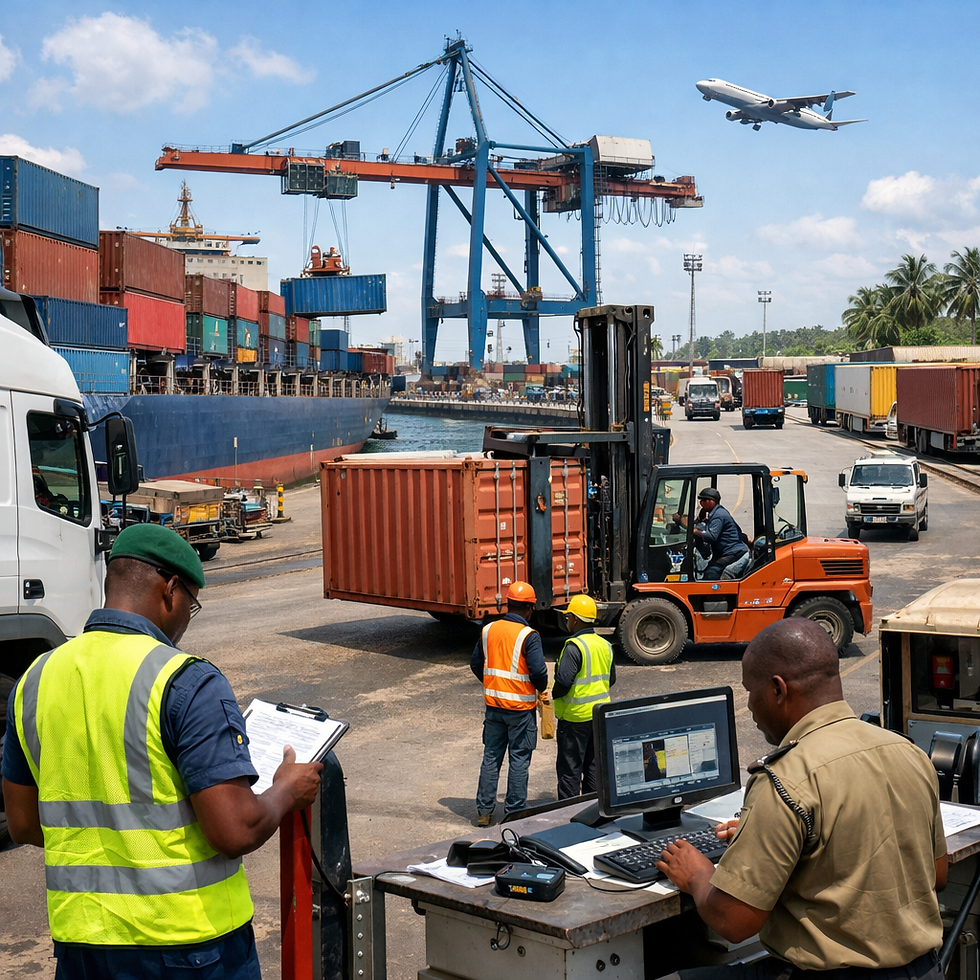
A central tenet of the 2026 ministerial messaging involved keeping trade corridors open and strengthening supply chain resilience across the APEC region. This commitment directly translates into a regional push for enhanced customs cooperation and the digitalization of trade procedures. Ministers backed further digitalization, including paperless trade, electronic trade documents, and digital customs procedures. This move is not merely about efficiency; it is about reducing compliance costs and accelerating customs clearance times, which are critical factors for logistics providers and manufacturers operating across multiple jurisdictions. For example, a textile exporter in Indonesia shipping to Mexico faces a complex array of documentation requirements; harmonized digital customs platforms across APEC could cut processing times from days to hours, significantly impacting lead times and inventory management for businesses.
The emphasis on food supply resilience and smoother procedures also indicates a policy direction aimed at ensuring essential goods continue to move unimpeded during periods of disruption, whether from natural disasters or geopolitical events. This focus will likely generate tenders for advanced logistics software, cold chain management solutions, and real-time tracking systems to monitor food shipments across borders. Economies like Vietnam, a major agricultural exporter, and Japan, a significant food importer, will be particularly keen on adopting technologies that enhance traceability and reduce spoilage. International solution providers specializing in these areas will find a receptive market across the APEC region, as governments and private sector entities seek to fortify their supply chains against future shocks. The APEC working groups on trade facilitation and customs cooperation will be the primary channels through which these initiatives are developed and implemented, creating specific procurement opportunities.
Procurement officials across APEC economies will increasingly issue tenders for solutions that support paperless trade systems and digital customs. This includes everything from software platforms for electronic certificates of origin to blockchain-enabled solutions for secure document exchange. Governments in economies such as Peru, Chile, and the Philippines, often grappling with complex customs processes, are expected to invest in these technologies to modernize their trade infrastructure. For example, a recent tender issued by the General Department of Vietnam Customs called for a new e-manifest system, indicating the regional trend towards digital transformation in trade. Companies specializing in government IT solutions, cybersecurity for trade data, and enterprise resource planning systems integrated with customs modules should actively monitor procurement portals within APEC member states. TendersGo provides specific country pages, such as country.tendersgo.com/vietnam or country.tendersgo.com/mexico , to help businesses identify these opportunities efficiently.
Commercial Implications for Cross-Border Investment in APEC Economies
The outcomes of the 2026 APEC ministerial meeting point to a more favorable environment for cross-border investment, particularly in sectors that support trade facilitation and digital transformation. For international firms, this means increased opportunities in logistics, customs technology, trade finance, digital trade platforms, and services exports. The policy agenda, focused on reducing friction and enhancing connectivity, creates a fertile ground for investments that streamline operations and reduce compliance burdens across the 21 APEC economies. Consider a logistics firm looking to establish a regional distribution hub in Thailand to serve the ASEAN market; the commitment to paperless trade and digital customs procedures will reduce the operational complexities and costs associated with cross-border inventory movement, making such investments more attractive.
The Roadmap for Innovative, Competitive and Resilient Services specifically highlights future opportunities in professional services, ICT-enabled services, transport and warehousing, and business process outsourcing. This is particularly true where paperless documentation can cut clearance and contract execution times, significantly improving service delivery efficiency. For example, an architectural firm in the United States seeking to offer design services for urban development projects in Malaysia or Indonesia will find a more streamlined process for cross-border licensing and project approvals as APEC economies harmonize service regulations. Similarly, call centers and IT support operations in the Philippines or India, serving clients across the Asia-Pacific, will benefit from reduced digital trade barriers and more predictable data transfer rules. These policy shifts are designed to stimulate growth in high-value service sectors, creating demand for expertise and technology from international providers.
The joint statement’s references to Micro, Small, and Medium Enterprises (MSMEs) and digital trade imply a continued push to lower entry barriers for smaller exporters, especially in e-commerce, standards compliance, and customs digitization. This is a crucial aspect for fostering inclusive growth across the region. Governments and development banks within APEC are likely to launch initiatives and funding programs aimed at equipping MSMEs with the tools and knowledge to engage in cross-border trade. This could translate into tenders for training programs, e-commerce platform development, and digital marketing services tailored for MSMEs in economies like Papua New Guinea, Brunei Darussalam, and Vietnam. International consultancies and technology providers specializing in MSME development and digital transformation will find significant opportunities here. The TendersGo platform, with its advanced search filters, allows users to pinpoint tenders specifically targeting MSME support initiatives and digital trade solutions across APEC member states, accessible via search.tendersgo.com .
Implementing Agencies and Technical Cooperation Across APEC
The implementation of the APEC ministerial directives will largely flow through established APEC working groups and technical bodies focused on trade facilitation, services, and customs cooperation. These bodies, composed of experts from member economies, are responsible for translating broad policy statements into actionable programs and technical standards. For instance, the APEC Subcommittee on Customs Procedures (SCCP) will be instrumental in developing common standards for digital customs platforms and electronic trade documents. This technical work creates direct procurement opportunities for specialized software developers, system integrators, and consultants who can assist APEC economies in adopting these new standards and technologies.
Capacity building and technical cooperation are explicitly mentioned as practical tools endorsed by the ministers. This signifies a regional commitment to assisting economies, particularly developing ones, in adopting new trade facilitation measures and digital infrastructure. For example, economies like the Philippines, Vietnam, and Peru may receive technical assistance and funding to upgrade their customs systems or establish national single windows for trade. International development consultants, training providers, and technology vendors with experience in government modernization projects will find a steady stream of tenders related to these capacity-building efforts. Organizations such as the Asian Development Bank (ADB) and the World Bank often collaborate with APEC initiatives, providing funding and technical expertise, which in turn leads to procurement opportunities for international firms.
The involvement of key official institutions and agencies, such as China’s Ministry of Commerce (MOFCOM) as the host, and Japan’s Ministry of Foreign Affairs through its high-level participation, underscores the multi-stakeholder approach to APEC's agenda. These national agencies will be key drivers in their respective economies for implementing the APEC roadmap and joint statement commitments. Businesses should monitor their national procurement portals and official announcements for specific projects emerging from these directives. For example, MOFCOM may issue tenders for studies on digital trade barriers or pilot projects for paperless customs between China and other APEC partners. The TendersGo AI-powered platform ( tendersgo.ai ) can provide AI summaries of complex tender documents and identify relevant opportunities across these diverse national and regional agencies, saving significant time for business development teams.
Tracking Digital Transformation in APEC Procurement
The emphasis on digitalization across APEC economies presents a clear trajectory for procurement and market actors. Expect a significant increase in demand for customs digitization solutions, trade documentation software, paperless trade systems, logistics optimization tools, and supply-chain visibility platforms. Governments across the region, from the United States to Australia, are keen to enhance efficiency and security in their trade processes. For instance, the Australian Border Force has been investing in advanced analytics and digital platforms to streamline import and export procedures, a trend mirrored across other APEC members. This creates a substantial market for companies offering enterprise software solutions, cloud services, and AI-driven analytics for trade data.
The implementation work under the APEC Roadmap for Innovative, Competitive and Resilient Services will translate into reforms or pilot programs affecting licensing, market access, and cross-border service delivery. This means opportunities for firms specializing in regulatory consulting, legal services related to international trade law, and technology platforms that facilitate cross-border professional service provision. For example, a tender might emerge for a standardized digital platform to verify professional qualifications across multiple APEC economies, allowing engineers or architects to practice more easily in different member states. These initiatives aim to reduce the administrative burden on service providers, fostering greater regional integration in the services sector.
Furthermore, the joint statement’s focus on convergence and technical cooperation suggests that firms should closely monitor APEC-related standards work, especially in digital trade, trade facilitation, and MSME access. This includes participation in technical committees and engagement with industry associations that influence standard-setting bodies. For example, a company providing e-commerce solutions might find opportunities to contribute to the development of common standards for secure online transactions or digital identity verification across APEC. These standards, once adopted, often become requirements in future procurement tenders, giving early movers a competitive advantage. TendersGo provides unlimited alerts and filters by CPV/NAICS codes, ensuring that businesses can proactively identify and respond to these emerging opportunities across all sectors and 220+ countries, including all APEC members. This proactive monitoring, accessible through www.tendersgo.com , is crucial for securing a foothold in APEC's evolving digital trade ecosystem.