Polynesia’s 2026 energy-security push redraws regional investment priorities

Polynesia's strategic pivot towards a more integrated and resilient energy future is redefining investment priorities across the Pacific in 2026. The 6th Pacific Regional Energy and Transport Ministers’ Meeting (PRETMM6) in Port Moresby served as the crucible for this shift, culminating in the adoption of the Manubada Call to Action. This initiative, alongside the endorsement of FESRIP 2.0 (Framework for Energy Security and Resilience in the Pacific) and the Pacific One Maritime Framework (POMF) 2026–2050, signals a comprehensive regional approach to energy security, fuel storage, port resilience, and maritime logistics. The ministers from 22 Pacific Island Countries and Territories have collectively committed to a shared goal of a 100% renewable energy future, intertwining energy resilience with robust maritime supply chains, a critical development for international contractors and suppliers monitoring Polynesia regional energy security initiative 2026 and Pacific fuel storage investment Polynesia.

Manubada Call to Action: A Unified Front for Polynesian Energy Security
The Manubada Call to Action, a keystone outcome of PRETMM6, represents a unified policy reset for Polynesia, moving beyond aspirational targets to concrete implementation frameworks. This strategic document underscores the inextricable link between energy security and the broader Blue Pacific transition. The endorsement of FESRIP 2.0 and POMF 2026–2050 provides the operational blueprints, ensuring that energy resilience and maritime logistics are no longer siloed but are planned and executed in tandem. This integrated planning is particularly vital for island nations, where fuel imports and inter-island transport are fundamental to economic stability and daily life. The regional scope of PRETMM6, encompassing 22 Pacific Island Countries and Territories, ensures that this policy reset will have widespread implications for procurement and investment across the entire Polynesian region.
A significant financial impetus for this initiative comes in the form of a reported US$60 million Regional Energy Security Initiative, part of a broader U.S. Pacific investment push. This funding package is specifically earmarked for expanding fuel storage and improving grid stability across the Pacific, directly addressing critical vulnerabilities identified by regional leaders. The Manubada process emphasizes “more predictable financing” and the alignment of donor support with Pacific-led priorities, indicating a structured approach to project funding that should offer greater clarity for international bidders. This financial commitment underpins the ambitious goals of the Manubada Call to Action, providing tangible resources for the development of Polynesia port and grid resilience projects.
Fuel Storage and Transport Infrastructure: A Strategic Imperative
The enhancement of fuel storage capacity stands as a primary objective within Polynesia's energy security agenda. Tonga, for instance, is already a focal point, benefiting from a USTDA feasibility study aimed at improving its fuel transport and storage infrastructure. This project is designed to enable Tonga to receive larger direct fuel shipments, thereby reducing its reliance on transshipment through other countries – a common vulnerability for many small island developing states. The anticipated outcome for Tonga is a substantial increase in national fuel reserves, from the current 15–20 days of supply to approximately 60 days. Such a gain represents a significant boost in resilience against supply chain disruptions, crucial for an import-dependent economy.
Similar initiatives are expected to emerge across other Polynesian states, as the regional energy security initiative aims for widespread impact. While Tonga currently holds the highest visibility in reporting, the underlying principles of the Manubada Call to Action, particularly regarding predictable financing, suggest that countries like Samoa, Tuvalu, Cook Islands, and Niue will also see increased investment in their fuel storage and transport capabilities. International contractors specializing in bulk liquid storage, pipeline infrastructure, and marine terminal construction will find a growing tender pipeline as these nations seek to fortify their energy supply chains. TendersGo, with its extensive database covering 220+ countries, offers a powerful tool for tracking these emerging opportunities, allowing firms to set up unlimited alerts for specific CPV codes related to fuel infrastructure in the Polynesian region via app.tendersgo.com .
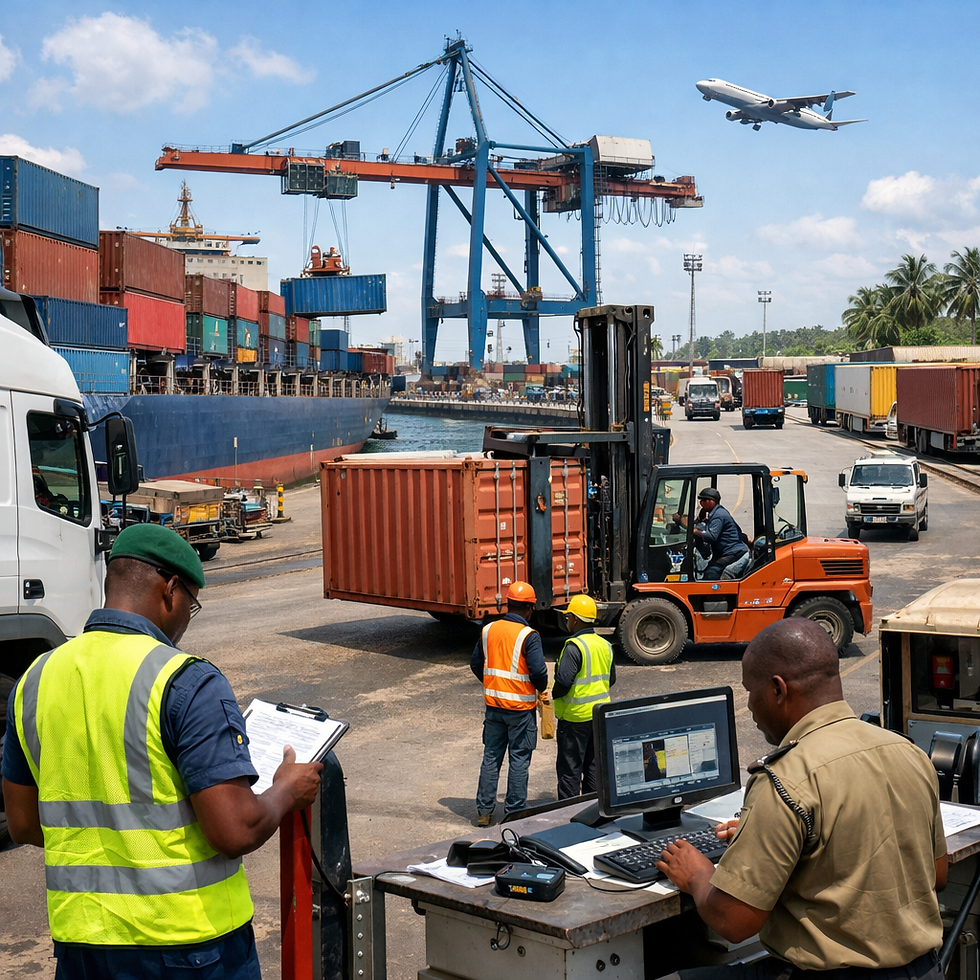
The integration of fuel logistics into the broader Pacific One Maritime Framework (POMF) 2026–2050 further solidifies this strategic imperative. POMF is designed to create a “safe, secure, resilient and sustainable maritime transport sector,” directly impacting the efficiency and reliability of fuel delivery across the vast expanse of Polynesia. This framework will likely spur tenders for port upgrades, bunkering facilities, and coastal logistics systems, as nations seek to optimize their maritime connectivity for energy security. The Pacific Community has been tasked with mapping existing funding, identifying gaps, and eliminating duplication, which will streamline the identification and execution of these critical infrastructure projects. This detailed mapping will provide a clearer picture of procurement needs for firms engaged in Polynesia climate and infrastructure financing 2026.
Power Sector Transformation and Grid Resilience in Polynesia
Beyond fuel storage, the Manubada Call to Action places significant emphasis on power sector transformation and grid resilience. Ministers reiterated the long-term objective of a 100% renewable energy future, acknowledging that many Pacific systems are still far from this trajectory and require urgent, grid-scale investment. FESRIP 2.0 is designed to bridge this gap, moving from strategic planning to tangible delivery with a focus on large-scale renewable energy deployment and measurable targets. This framework will drive significant procurement opportunities for renewable energy developers, equipment suppliers, and grid modernization experts.
The emphasis on grid resilience is particularly strong, with regional partners tying the new agenda to system readiness, affordability, sustainability, and gender equity. This holistic approach means that grid upgrades and renewable integration are not merely decarbonization projects but are seen as essential resilience infrastructure. This includes investments in smart grid technologies, energy storage solutions (beyond fossil fuels), transmission and distribution network upgrades, and microgrid development for remote communities. Firms specializing in these areas will find a receptive market across Polynesia as countries strive to integrate higher percentages of intermittent renewable energy sources while maintaining grid stability. The need for robust, climate-resilient infrastructure provides a steady pipeline for Polynesia port and grid resilience projects.
For example, the deployment of utility-scale solar and wind projects will necessitate significant investments in grid interconnection and stability technologies. This includes battery energy storage systems (BESS), advanced inverters, and demand-side management solutions. Procurement will extend to engineering, procurement, and construction (EPC) contracts for these large-scale renewable energy plants, as well as consulting services for grid planning and regulatory development. The focus on system readiness suggests that pre-qualification processes will likely favor firms with proven experience in small-island energy systems and utility planning, particularly those familiar with donor-funded infrastructure projects in regions susceptible to climate impacts.
Maritime, Port, and Logistics Resilience: The Blue Pacific Connection
The Pacific One Maritime Framework (POMF) 2026–2050 is the region’s roadmap for a “safe, secure, resilient and sustainable maritime transport sector,” a critical component of the Manubada Call to Action. The theme of PRETMM6, “Scaling Connectivity for a Prosperous Blue Pacific,” explicitly links port resilience and inter-island transport to broader energy security planning. This framework will drive investment in port infrastructure upgrades, including dredging, quay wall construction, cargo handling equipment, and digital logistics systems. The goal is to enhance the efficiency and resilience of supply chains, ensuring consistent delivery of essential goods, including fuel, across the archipelagic nations of Polynesia.
The Pacific Community's mandate to map funding and identify gaps will be instrumental in pinpointing specific port, bunkering, and coastal logistics projects. This mapping exercise will create a transparent project pipeline, allowing international firms to anticipate tender releases. Opportunities will likely arise for consulting services related to port master planning, environmental impact assessments, and feasibility studies for new maritime infrastructure. Furthermore, procurement will extend to the supply of specialized vessels for inter-island transport, including fuel tankers and cargo ships, as well as associated maintenance and operational contracts. These initiatives are central to strengthening the Manubada Call to Action Pacific energy transport 2026 agenda.
The emphasis on resilience also means that port infrastructure projects will incorporate climate-proofing measures, such as elevated quays, reinforced breakwaters, and enhanced drainage systems to withstand rising sea levels and extreme weather events. This adds another layer of specialization for contractors, requiring expertise in climate-resilient design and construction. Firms with experience in similar projects in vulnerable coastal regions will be well-positioned to compete for these tenders. TendersGo provides granular search capabilities, allowing users to filter tenders by specific sectors like maritime infrastructure and port development, ensuring that relevant opportunities in Polynesia are not missed. Visit search.tendersgo.com to explore current and upcoming tenders.
Procurement Implications and Project Pipeline for 2026 and Beyond
The initiatives stemming from the Manubada Call to Action and the frameworks of FESRIP 2.0 and POMF 2026–2050 will generate a robust procurement pipeline across Polynesia. Likely tender themes include the construction and upgrade of fuel storage terminals, port fuel-handling facilities, grid-stability works, renewable energy integration projects, and maritime logistics systems. Additionally, there will be significant opportunities for technical advisory packages, as the region seeks to bolster its capacity in project development and implementation. The explicit call for "regional or pooled arrangements for technical, financial, procurement, and legal expertise" suggests a future for framework contracts and long-term consulting engagements across multiple countries.
International contractors and consultants should anticipate pre-qualification signals favoring firms with demonstrated experience in small-island energy systems, fuel logistics, utility planning, and donor-funded infrastructure. The urgency to accelerate implementation means that regional bodies and national governments will seek partners who can deliver proven solutions efficiently. This includes specialized engineering firms, construction companies, equipment manufacturers, and financial advisors. The focus on capacity building also indicates a need for training programs and knowledge transfer initiatives, creating opportunities for educational institutions and professional development providers.
For firms targeting these opportunities, a proactive approach to understanding the specific procurement guidelines of regional bodies like the Pacific Community (SPC) and national procurement agencies is essential. Monitoring development bank funding announcements, such as those from the Asian Development Bank (ADB) and the World Bank, will also be crucial, as these institutions are key financiers of large-scale infrastructure projects in the Pacific. The reported US$60 million Regional Energy Security Initiative, potentially backed by the U.S., will likely involve procurement processes aligned with international best practices, offering a level playing field for global bidders. For a detailed breakdown of procurement processes by country, refer to country.tendersgo.com .
Country-Level Relevance and Future Outlook
While Tonga currently stands out with its active fuel-storage and transport feasibility work, the regional initiative is designed to benefit all Pacific Island Countries and Territories. Samoa, Tuvalu, Cook Islands, Niue, and French Polynesia, among others, are expected to experience significant spillovers through funding, improved shipping routes, and enhanced grid resilience. These countries will likely see increased investment in their energy infrastructure, port facilities, and maritime logistics, aligning with the broader goals of the Manubada Call to Action and Polynesia climate and infrastructure financing 2026.
The focus on predictable financing and aligned donor support means that the project pipeline will be more stable and transparent than in previous years. The Manubada Call to Action, actively referenced in policy and funding discussions throughout late 2026, demonstrates the initiative's enduring influence. International firms should closely watch for implementation packages under FESRIP 2.0 and POMF 2026–2050, as these frameworks will translate policy into concrete projects. TendersGo’s AI summaries and PDF viewer features are invaluable for quickly assessing tender documents and understanding project requirements, ensuring that businesses can respond effectively to opportunities in this dynamic region. Further insights into specific sectors can be found at sectors.tendersgo.com .
The shift in Polynesia's energy-security agenda in 2026 is profound, moving beyond mere renewable targets to encompass fuel storage, grid stability, port resilience, and maritime logistics. The US$60 million regional energy-security package and new regional frameworks provide a tangible impetus for investment. For international contractors, export managers, and business development teams, the best near-term watchpoints include the Tonga fuel-storage procurement, upcoming regional technical-assistance calls under SPC, and any donor-backed implementation packages under FESRIP 2.0 and POMF 2026–2050. These developments signal a period of sustained infrastructure development and procurement activity across the Polynesian region, offering substantial opportunities for firms prepared to engage with the unique challenges and requirements of small island developing states. For cutting-edge tender intelligence and AI-powered insights into regional markets, consider utilizing tendersgo.ai .