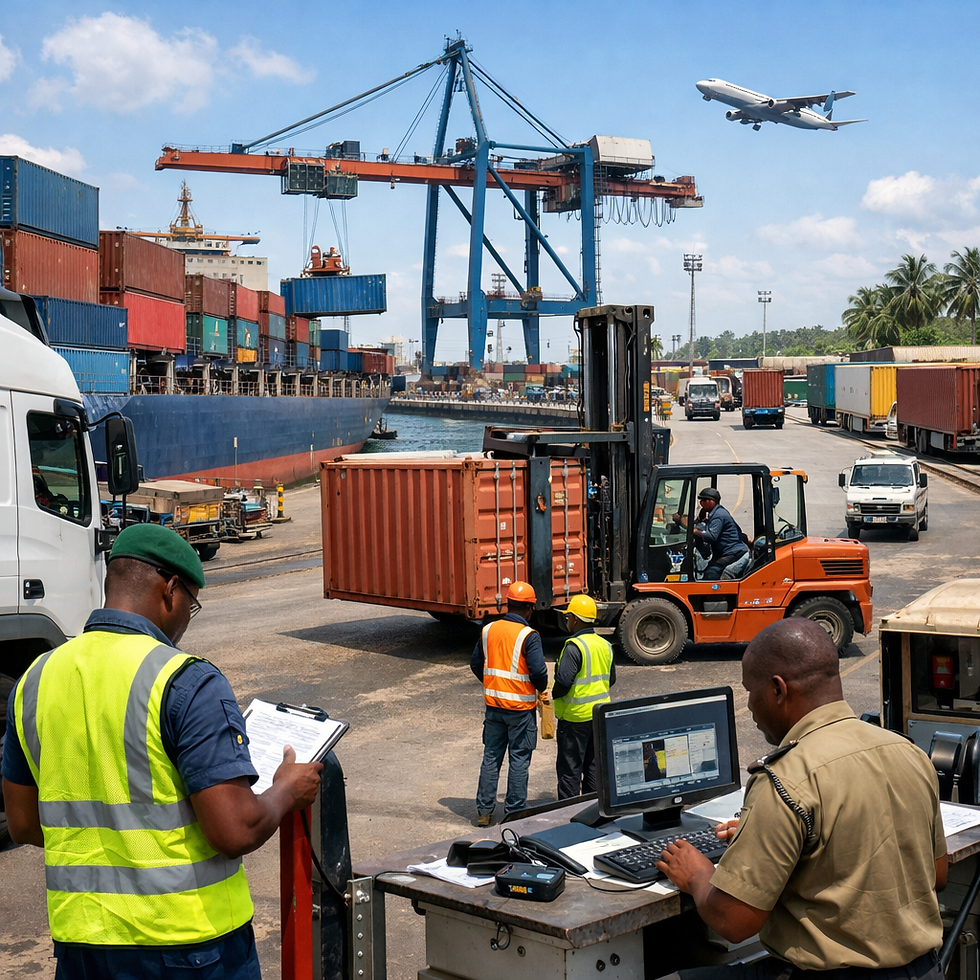
Mekong Subregion Turns Corridor Plans into Cross-Border Projects

The Greater Mekong Subregion (GMS) is transitioning from two decades of ambitious planning into a phase of tangible project implementation, particularly concerning its extensive economic corridor network. This strategic shift, highlighted at the 14th Economic Corridors Forum in Vientiane on 14–15 September 2026, signals a robust pipeline of opportunities for international contractors, logistics firms, and infrastructure developers. The forum’s theme, “Accelerating, Harnessing, Harmonizing Economic Corridor Development to Ensure GMS Resilience against Major Global Challenges,” underscores a concerted effort by the six GMS nations—Cambodia, Laos, Myanmar, Thailand, Vietnam, and China’s Yunnan and Guangxi provinces—to materialize connectivity blueprints into operational cross-border logistics projects and integrated trade hubs. This pivot is critical for enhancing regional trade connectivity and solidifying the GMS’s role as a vital economic artery in Southeast Asia, with significant implications for the 2026 investment framework.

The GMS development model remains anchored by three primary corridors: the East-West Corridor, the North-South Corridor, and the Southern Corridor. These routes form the backbone of the subregion’s cross-border logistics and trade facilitation efforts. A 2026 UNCRD presentation detailed the GMS corridor network as approximately 3,700 km of roads, illustrating the substantial scale of this ongoing transport system upgrade. The GMS transport facilitation framework relies heavily on the Cross-Border Transport Facilitation Agreement (CBTA), which standardizes customs inspections, vehicle standards, transit permits, and border procedures. This framework is not merely theoretical; recent reporting indicates that the corridor network has reduced transport times on the Bangkok–Yunnan route by 30% to 60% where these facilitation measures are fully applied. A March 2026 shipment from China’s Greater Bay Area to Southeast Asia, utilizing the GMS framework, reportedly cut transport time by over 30% and reduced logistics costs by about 15%, demonstrating the practical benefits of streamlined cross-border operations. This particular shipment model used sealed containers throughout transit, with customs clearance completed in advance inside the bonded zone, showcasing an operationalized approach for faster freight movement. Such developments generate a steady stream of tenders for customs modernization, logistics technology, and specialized transport equipment, visible on platforms like app.tendersgo.com .
GMS Economic Corridors: From Blueprint to Cross-Border Implementation
The GMS is actively transforming its long-standing corridor plans into concrete, multi-country infrastructure projects. The East-West Corridor, for instance, connects Da Nang in Vietnam with northeastern Thailand through Laos, leveraging critical gateways such as Lao Bao–Dansavanh and the Second Thai-Lao Friendship Bridge. This corridor is crucial for linking Vietnam's coastal ports to the landlocked interior of Laos and the industrial heartland of Thailand. The Southern Corridor, extending from Ho Chi Minh City to Bangkok via Phnom Penh and north-western Cambodia, remains the most heavily used overland passenger route. This corridor also carries substantial freight traffic, necessitating continuous upgrades to road networks and border crossing facilities between Vietnam, Cambodia, and Thailand. Meanwhile, the North-South Corridor links Bangkok through Laos towards Yunnan, China, utilizing routes like R3A and central connections via Vientiane and Luang Prabang. These routes are essential for facilitating trade between China and the ASEAN markets, particularly for agricultural goods and manufactured products.
Regional governments are not merely waiting for top-down initiatives; provincial authorities are also driving corridor-centric development. Vietnam’s Dong Thap province, strategically located in the Mekong Delta, is positioning itself as a major transshipment hub. Its 2026 provincial plan outlines five distinct economic corridors: the central corridor, eastern coastal corridor, Tien River corridor, Dong Thap Muoi corridor, and Hau River corridor. This localized corridor strategy aims to strengthen inland logistics, enhance border connectivity with Cambodia, and boost regional transshipment capacity within the Mekong basin. Such provincial initiatives often lead to tenders for inland port development, warehousing facilities, and localized road improvements, which international firms can track using specific CPV codes on www.tendersgo.com . Similarly, Myanmar’s logistics policy discussions in September 2026 explicitly referenced GMS CBTA implementation, bilateral China-Myanmar cooperation, and the issuance of Logistics Service Provider licenses under its Multimodal Transport Law. This indicates a clear national commitment to integrate into the wider GMS logistics network, opening avenues for foreign investment in logistics infrastructure and services.
The GMS Innovation Strategy for Development 2030 further emphasizes developing economic corridors that connect cities, ports, special economic zones (SEZs), and production centers. This strategy highlights regulatory alignment and last-mile energy connectivity as priority support areas for the corridor system. The September 2026 forum also elevated four strategic workstreams: accelerating corridor implementation, promoting inclusive labor migration, strengthening local authorities and SEZs, and advancing innovation and modernization for sustainable growth. Thailand’s Eastern Economic Corridor Office (EECO) utilized the forum to promote its integrated investment platform, demonstrating how national SEZs are being strategically linked to the broader GMS corridor narrative. This integration means that infrastructure projects within Thailand’s EEC, such as industrial park development and utility provision, are now directly relevant to the GMS connectivity agenda. Malaysia’s Northern Corridor Economic Region (NCER) has also publicly tied its border development strategy to the ASEAN market and onward access into the GMS, reflecting a wider regional coordination around corridor-led growth that extends beyond the immediate GMS countries. This broader regional ambition creates opportunities for multi-country consortia to bid on large-scale infrastructure projects that span borders and connect different economic zones, requiring careful monitoring of tenders across multiple countries, a capability offered by country.tendersgo.com .
Procurement Implications and Investment Framework for GMS 2026
The shift towards concrete project implementation within the Greater Mekong Subregion has significant procurement implications, even as specific tender packages and cost awards remain under development. The available 2026 material clearly indicates a pipeline of projects related to transport, logistics, special economic zones, and border facilitation. The emphasis on "turning corridor priorities into concrete projects and investment" signals an impending surge in procurement activities across the GMS. This environment is particularly favorable for public-private partnership (PPP) models, especially for logistics hubs, inland ports, modernized border checkpoints, and industrial zones adjacent to the economic corridors. Countries like Vietnam, Thailand, Laos, Myanmar, and Cambodia are actively seeking private sector involvement to fund, build, and operate these critical infrastructure components.
For international contractors and suppliers, this means a growing demand for services ranging from feasibility studies and engineering design to construction and operational management. Opportunities will emerge for road and bridge upgrades, railway extensions, port expansions, and the development of multimodal logistics centers. For example, the expansion of inland ports in Vietnam's Dong Thap province, or the modernization of border crossings between Laos and Thailand, will require specialized civil engineering, equipment supply, and IT solutions for customs automation. The implementation of the GMS CBTA, with its focus on standardized procedures, will generate tenders for customs software, surveillance systems, and vehicle inspection equipment. Firms specializing in smart logistics and supply chain management technologies will also find fertile ground, as the region aims to replicate the success of expedited shipments like the China-Southeast Asia model that cut transport times by over 30%.
Furthermore, the focus on strengthening local authorities and SEZs, as highlighted in the September 2026 forum, suggests a pipeline of projects for urban infrastructure development, utility provision, and digital connectivity within these designated zones. This includes tenders for power generation and distribution, water treatment facilities, and advanced telecommunications networks to support industrial and commercial activities. The Thailand Eastern Economic Corridor Office's promotion of its integrated investment platform, for instance, implies ongoing procurement for infrastructure within its three core provinces, which are now firmly linked to the GMS regional strategy. International development banks, such as the Asian Development Bank (ADB), are expected to continue playing a crucial role in financing these projects, often requiring adherence to international procurement standards. Firms should monitor project announcements from these institutions and utilize platforms like search.tendersgo.com to identify upcoming tenders, filterable by sector and country.
Trade and Commercial Dynamics Across the Mekong River Regional Transport Hub
The Greater Mekong Subregion's economic corridors are fundamentally reshaping trade and commercial dynamics, transforming the region into a more integrated and efficient transport hub. The most concrete trade figure observed in 2026 was the Laos–Vietnam bilateral trade reaching USD 1.3 billion in the first half of the year, a volume directly attributable to improved transport connectivity and energy cooperation. This figure underscores the tangible benefits of infrastructure development in facilitating cross-border commerce. The corridor trade gains are further evidenced by the GMS road-shipment model from China to Southeast Asia, which demonstrated substantial reductions in both time and cost. This model is expected to support higher-value, lower-friction freight flows, encouraging more sophisticated supply chains to utilize the GMS network.
The region's trade logic remains centered on reducing border delays, harmonizing transit rules, and improving multimodal links between inland production zones and seaports. For example, the ongoing efforts to streamline customs procedures under the GMS CBTA directly impact the speed and cost of moving goods across borders, making the GMS a more attractive transit route compared to maritime alternatives for certain types of cargo. This includes goods from China’s Yunnan and Guangxi provinces destined for markets in Thailand, Cambodia, and Vietnam, or vice versa. The emphasis on multimodal transport, integrating road, rail, and river networks, is crucial for optimizing logistics. The Mekong River itself, serving as a natural artery, is increasingly being integrated into these multimodal strategies, leading to investment in river ports and associated logistics infrastructure in countries like Vietnam and Cambodia.
The development of special economic zones (SEZs) along these corridors, such as those in Thailand's Eastern Economic Corridor or specific zones in Laos and Cambodia, is designed to attract foreign direct investment and stimulate manufacturing and export activities. These SEZs benefit directly from enhanced connectivity, allowing for more efficient import of raw materials and export of finished goods. The integration of SEZs into the wider GMS corridor narrative signifies a strategic approach to regional industrial development. For businesses involved in manufacturing, agriculture, and services, the improved connectivity translates into reduced operational costs and faster market access. This creates opportunities for international firms in areas such as cold chain logistics, warehousing solutions, and distribution networks, as the demand for efficient movement of perishable goods and high-value products increases. Tracking these sector-specific opportunities can be done effectively using sectors.tendersgo.com .
Regional Policy and Institutional Context for GMS Multi-Country Infrastructure
The policy and institutional landscape underpinning the Greater Mekong Subregion’s multi-country infrastructure development is characterized by a strong commitment to regional integration and coordinated planning. The 2026 GMS Innovation Strategy for Development 2030 serves as a guiding document, emphasizing the strategic development of economic corridors to connect key urban centers, ports, special economic zones, and production hubs. This strategy highlights the importance of regulatory alignment across member countries, aiming to create a seamless operational environment for cross-border trade and investment. Furthermore, the focus on last-mile energy connectivity within the strategy points to significant opportunities in renewable energy projects and grid modernization, ensuring that industrial and commercial activities along the corridors are adequately powered.
The September 2026 Economic Corridors Forum in Vientiane reinforced this commitment by elevating four strategic workstreams. Beyond accelerating corridor implementation, the forum highlighted the importance of promoting inclusive labor migration, strengthening local authorities and special economic zones, and advancing innovation and modernization for sustainable growth. These workstreams indicate a holistic approach to corridor development, recognizing that infrastructure alone is insufficient without corresponding human capital development, institutional capacity building, and technological adoption. For international consultants and development firms, this translates into a demand for expertise in areas such as labor policy, urban planning for SEZs, and digital transformation initiatives that support logistics and trade. Projects involving advisory services for PPPs and capacity building for government procurement officials are also likely to emerge.
The active participation of national entities like Thailand’s Eastern Economic Corridor Office (EECO) in promoting its integrated investment platform within the GMS forum illustrates how national development agendas are being strategically aligned with regional initiatives. This alignment is crucial for attracting large-scale foreign investment and ensuring that projects contribute to both national and regional goals. Similarly, Malaysia’s NCER publicly linking its border development strategy to the broader ASEAN market and GMS access demonstrates a wider regional understanding of integrated economic growth. These institutional linkages facilitate a more coordinated approach to infrastructure planning and financing, often involving multilateral development banks such as the ADB. The GMS program’s continued reliance on the Cross-Border Transport Facilitation Agreement (CBTA) as a foundational legal instrument underscores the importance of harmonized legal and regulatory frameworks for the success of multi-country infrastructure projects. This creates a stable and predictable environment for international investors and contractors, encouraging greater participation in regional tenders. Firms interested in the overarching policy and investment frameworks can find relevant documents and tender opportunities on continents.tendersgo.com .
Mekong Subregion Multi-Country Infrastructure and PPPs
The Greater Mekong Subregion is increasingly embracing multi-country infrastructure projects and public-private partnerships (PPPs) as a core strategy for financing and implementing its ambitious corridor development agenda. The clear shift from conceptual planning to concrete project identification, as evidenced by the September 2026 forum, directly points to a rising number of opportunities for private sector engagement. This approach is particularly evident in the development of transport infrastructure, logistics hubs, and border facilities that span national boundaries. For instance, the expansion of the East-West Corridor, connecting Vietnam, Laos, and Thailand, often involves complex financing arrangements that blend sovereign loans with private capital, especially for segments like expressways, bridges, and tunnels.
PPP models are gaining traction across the GMS for their ability to bring private sector efficiency, technological expertise, and financial resources to large-scale infrastructure projects. Vietnam, with its robust legal framework for PPPs, is a key proponent, particularly in developing its provincial economic corridors and transshipment hubs like Dong Thap. These projects often include components such as toll roads, inland container depots, and specialized industrial parks that can be developed, operated, and maintained by private consortia. Thailand also actively promotes PPPs, especially within its Eastern Economic Corridor, seeking private investment for smart cities, high-speed rail links, and advanced logistics facilities that feed into the broader GMS network. Laos and Cambodia are also exploring and implementing PPPs for smaller-scale but equally critical infrastructure, such as border crossings, warehousing, and local road networks.
The nature of these multi-country projects often necessitates consortia formation, bringing together international firms with local partners to navigate regulatory complexities, share risks, and leverage local knowledge. This is particularly true for projects involving multiple jurisdictions and diverse legal frameworks, where a deep understanding of each country's procurement regulations and business practices is essential. Development banks, including the Asian Development Bank, often provide technical assistance and financial guarantees to de-risk these PPPs, making them more attractive to private investors. The emphasis on regulatory alignment and trade facilitation under the GMS CBTA further supports the viability of PPPs by reducing operational friction across borders. Firms with experience in international project finance, engineering, and construction, especially those capable of forming cross-border partnerships, are well-positioned to capitalize on these emerging opportunities, which can be identified through detailed searches on platforms like tendersgo.ai .
The Bottom Line for International Contractors and Trade Advisors
The Greater Mekong Subregion in late 2025 and 2026 has definitively moved beyond being merely a conceptual framework for economic corridors. It is now an active implementation ground, driven by forum-backed projects, customs harmonization, logistics pilots, special economic zone integration, and province-level transshipment strategies. This transition translates into a concrete and growing pipeline of procurement opportunities for international contractors, export managers, trade advisors, development bank consultants, government procurement officials, investors, and business development teams. The focus is on tangible infrastructure that facilitates cross-border trade and logistics, creating a more interconnected and efficient regional economy.
The most actionable opportunities for firms tracking the GMS pertain to border infrastructure, including modernized checkpoints, customs facilities, and associated administrative buildings. Logistics hubs, such as inland container depots and multimodal freight terminals, represent another significant area for investment and construction. Road and bridge upgrades, particularly along the East-West, North-South, and Southern Corridors, will continue to be a staple of regional procurement. Inland ports, especially in countries like Vietnam and Cambodia along the Mekong River, are poised for expansion and modernization. Special Economic Zone servicing works, encompassing everything from utility provision to digital infrastructure, will also generate substantial tenders. Customs modernization projects, involving technology solutions and capacity building, are crucial for achieving the GMS’s trade facilitation goals. Finally, advisory packages for public-private partnerships across the six-country GMS network will be in high demand, as governments seek expertise in structuring and managing complex infrastructure deals. Staying abreast of these developments requires continuous monitoring of regional procurement notices, which platforms like app.tendersgo.com are specifically designed to provide, offering alerts for specific countries and sectors within the Mekong Subregion.