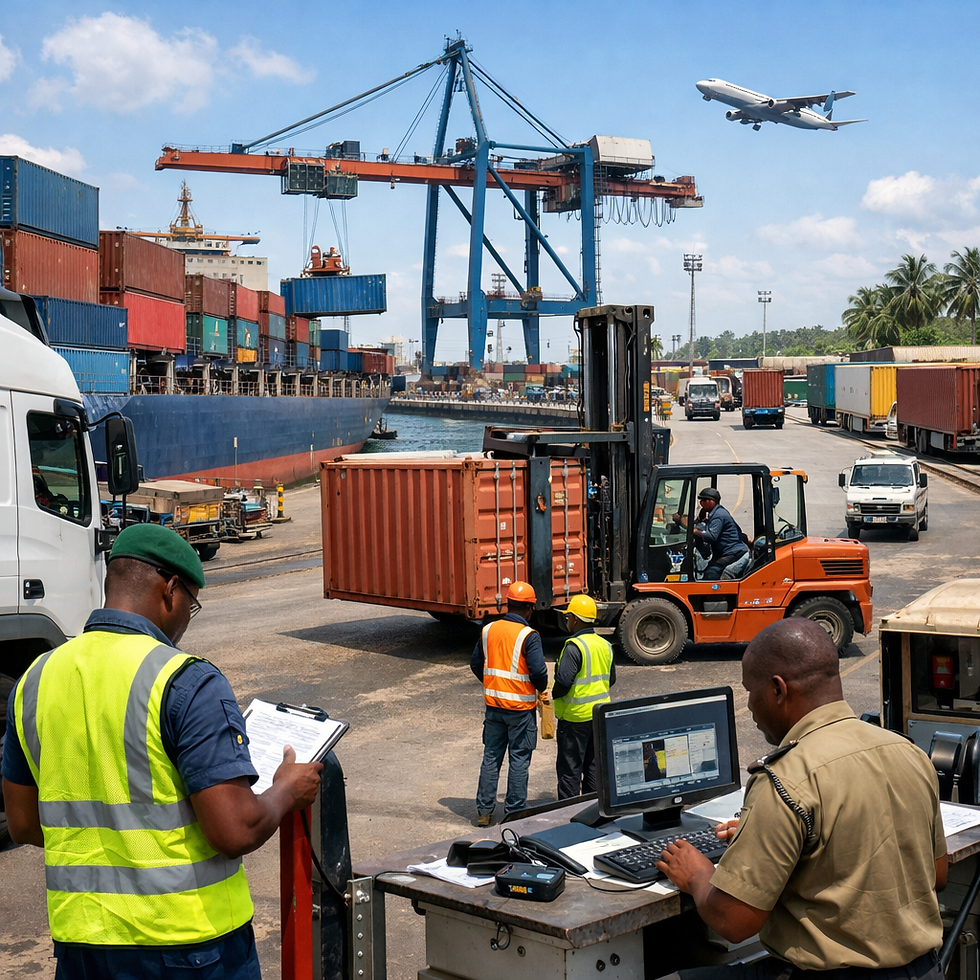
Fertile Crescent Water Stress Escalates as River Flows Thin

The Fertile Crescent, a region historically defined by its abundant water resources and agricultural productivity, enters 2026 under unprecedented hydrological stress. Verified data indicates the Tigris and Euphrates river systems, lifelines for Iraq and Syria, have seen flows diminish by approximately 70% below historical averages. This dramatic reduction stems from a confluence of factors: diminished snowpack in upstream basins, below-normal inflows, escalating temperatures accelerating evaporation, and an insatiable demand from agricultural sectors clinging to traditional, water-intensive irrigation practices. This unfolding crisis transcends national borders, impacting regional food security, driving internal migration, and intensifying calls for cross-border water management agreements. International contractors, export managers, and development consultants tracking opportunities on app.tendersgo.com should note the emergent procurement landscape shifting decisively towards water resilience infrastructure.
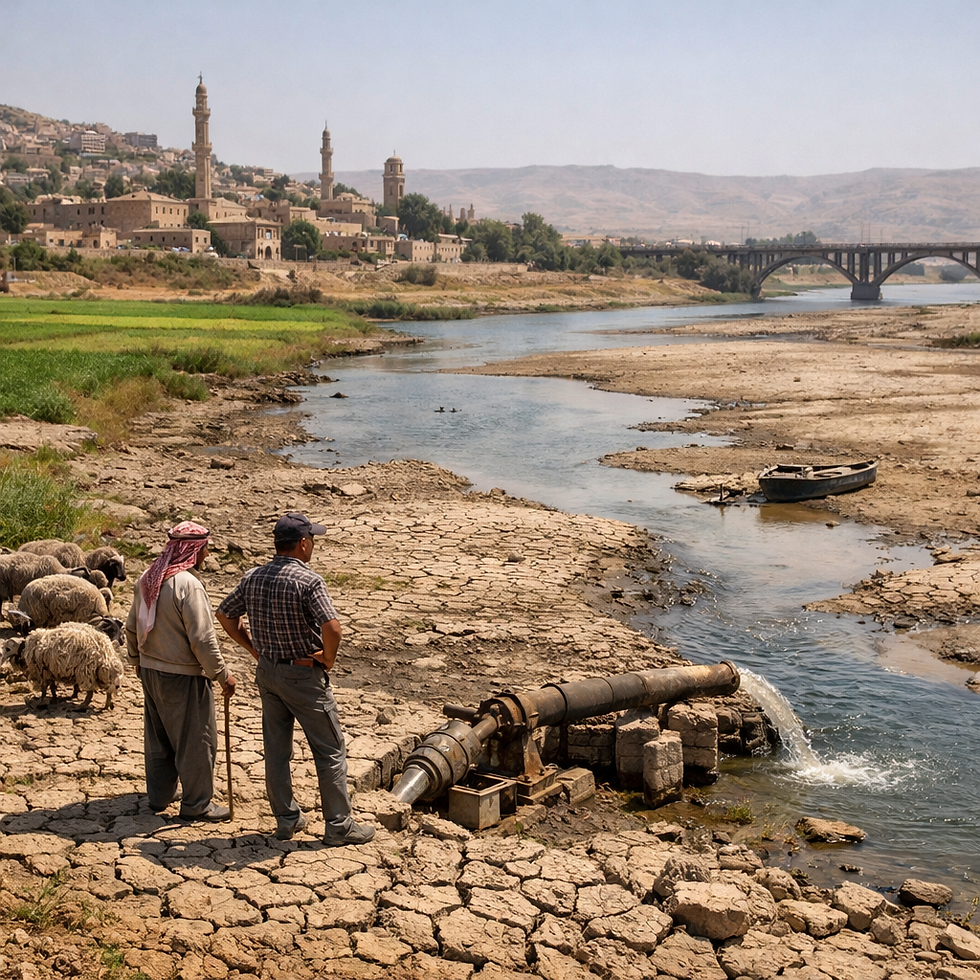
Thinning Lifelines: The Tigris-Euphrates River Flow Crisis
The core of the Fertile Crescent's water crisis lies squarely in the Tigris-Euphrates basin. Regional analyses in 2026 consistently report a staggering 70% decline in the combined flows of these two iconic rivers compared to long-term historical conditions. This figure represents a critical warning signal for agricultural planning across Iraq and Syria, dictating the viability of the upcoming growing season. Iraq, in particular, finds itself acutely exposed. Its agricultural sector, a cornerstone of its economy and food supply, remains heavily reliant on river-fed irrigation, with widespread adoption of flood irrigation methods that contribute significantly to water waste through evaporation and runoff. The central and southern agricultural belts of Iraq are already experiencing recurring shortages, compounded by increasing salinity intrusion in the lower reaches of the Shatt al-Arab.
Syria’s vulnerability is further exacerbated by years of conflict. The nation's water infrastructure, including pumping stations, treatment plants, and distribution networks, has sustained extensive damage. This degradation severely limits the country's capacity to effectively store, transport, and treat what little water remains available. Rural communities, often dependent on localized groundwater sources and rudimentary pumping systems, are disproportionately affected by drought conditions, leading to increased displacement and a decline in rural livelihoods. While geographically distinct, the water stress observed in Central Asia offers a stark regional parallel. A 2026 report from the Times of Central Asia projected the Amu Darya's flow could fall to 65% of its historical norm, with the Syr Darya basin facing a deficit of 3.2 billion cubic meters below normal inflows. These figures underscore a broader continental trend of shrinking river systems and highlight the urgent need for integrated water resource management across multiple transboundary basins.
Regional Water Scarcity and Food Security Implications
The escalating water scarcity across the Fertile Crescent is directly assaulting regional food security. Inefficiencies in irrigation systems, particularly prevalent in Iraq and Syria, contribute substantially to water losses. Studies on similar canal systems in Uzbekistan indicate transport losses reaching up to 40% before water even reaches the fields. The continued reliance on flood irrigation in many parts of the Fertile Crescent means high evaporative losses and low application efficiency, effectively squandering a significant portion of the already diminished river flows. This directly impacts critical cereal production, including wheat, barley, and rice in irrigated zones, alongside sugar beet, date palms, and various vegetable and fodder crops. Livestock systems, vital for rural economies, are also under immense pressure as pastures degrade and traditional watering points dry up.
Beyond immediate crop losses, reduced freshwater flow in downstream areas, particularly southern Iraq, intensifies salinity intrusion. This process degrades soil productivity, often forcing farmers to abandon land or switch to less profitable, more salt-tolerant crops. The Ministry of Water Resources in Iraq, alongside provincial irrigation directorates, is grappling with these challenges, often in the context of complex water-sharing negotiations with upstream neighbors like Turkey and Iran. In Iran, the situation is described in January 2026 commentary as nearing "water bankruptcy." Iranian agriculture consumes approximately 90% of the nation's annual water resources, a figure that underscores the unsustainable nature of current practices. Urban centers are not immune; officials estimate 35% of Tehran’s water is lost through leaky pipes, and 19 major dams, including the Latian and Karaj dams north of the capital, are reportedly below a 20% capacity threshold. This internal crisis in Iran manifests in rural villages increasingly relying on water shipments by truck and growing instances of urban water shutoffs, driving internal migration and placing additional strain on municipal infrastructure.
Cross-Border Water Management and Climate Adaptation Investment
The transboundary nature of the Tigris-Euphrates system means that upstream storage and release decisions by Turkey directly impact downstream availability in Iraq and Syria. Persistent disagreements over water allocation, release schedules, and drought-sharing protocols continue to hamper effective regional responses. While Iraq's Ministry of Water Resources, Turkey's State Hydraulic Works, Syria's water ministries, and Iran's water and energy authorities each manage their respective basins, a coordinated regional approach remains elusive. The current hydrological reality demands drought-sharing protocols, seasonal release coordination, joint monitoring of inflows and reservoir levels, and modernized water-accounting systems across the basin. Without these, piecemeal national efforts will struggle to provide sustainable solutions.
The escalating crisis is, however, catalyzing significant infrastructure investment and procurement opportunities focused on climate adaptation. Priority investment areas include comprehensive canal rehabilitation and lining projects to minimize seepage and evaporation losses. Upgrades to pumping stations are essential to improve energy efficiency and reliability. Extensive leak reduction programs in municipal water systems, particularly critical in cities like Tehran where 35% of water is lost, present immediate opportunities. The conversion to drip and sprinkler irrigation systems, replacing inefficient flood irrigation, is a major focus for agricultural modernization. Wastewater treatment and reuse facilities are gaining traction as a means of augmenting non-potable water supplies, especially for agriculture and industrial cooling. Salinity-control drainage projects, reservoir dredging, and sediment management are also critical for preserving existing water infrastructure and agricultural land. Desalination, while energy-intensive, is becoming an increasingly viable option for coastal and near-coastal cities to secure potable water supplies.
Procurement Landscape: Opportunities for International Suppliers
The shift towards water resilience across the Fertile Crescent translates into a robust pipeline of procurement opportunities for international contractors and suppliers. For TendersGo users, this means a focused approach to tracking tenders issued by national water ministries, irrigation directorates, municipal utilities, and agriculture ministries across Iraq, Syria, and Iran. Development finance institutions such as the World Bank, Islamic Development Bank, and EBRD are key channels for funding these initiatives, particularly for municipal water and wastewater projects. UN agencies and various regional funds are also active in emergency water delivery and WASH (Water, Sanitation, and Hygiene) systems, especially in conflict-affected areas of Syria.
In Iraq, expect tenders for prequalification and EPC (Engineering, Procurement, and Construction) contracts related to irrigation canal lining, dredging operations, and rehabilitation of river intakes. Modernization of pumping stations and the implementation of advanced drainage and salinity control works will also feature prominently. Rural water supply projects, including contracts for water tanker logistics, are becoming increasingly vital. Syria, despite its complex security environment, will see tenders for borehole rehabilitation, water network repairs, small-scale treatment plants, and emergency WASH programs, often supported by humanitarian and development aid. Iran's urgent internal water crisis will drive tenders for leak detection and urban pipe replacement, dam safety assessments and reservoir rehabilitation, and expansion of rural water trucking logistics. Desalination and brackish water treatment plants, along with municipal water metering and pressure management systems, represent significant opportunities.
Turkey, as an upstream riparian state, will continue to invest in its own upstream basin infrastructure, including irrigation expansion and efficiency retrofits, alongside advanced water monitoring systems and hydrometric stations. These projects, while domestic, can influence downstream flows and may involve international expertise. Contractors should monitor water and environmental management tenders closely. Specific equipment tenders will include advanced pumps, flow meters, valves, SCADA (Supervisory Control and Data Acquisition) systems, telemetry, and leak detection technologies. Consultancy tenders for basin master plans, hydrological modeling, and climate resilience studies will also be in high demand. Furthermore, O&M (Operations and Maintenance) contracts for new desalination and wastewater reuse facilities offer long-term engagement prospects. Users of TendersGo should set up alerts using keywords such as "basin rehabilitation," "irrigation modernization," "non-revenue water reduction," "water security," "drought resilience," and "wastewater reuse" to capture the full spectrum of opportunities in this rapidly evolving sector.
Economic Fallout and Strategic Procurement Shifts
The economic ramifications of the Fertile Crescent's water crisis are profound and far-reaching. Reduced domestic agricultural output due to water scarcity will inevitably increase import dependence for staple commodities like wheat, barley, rice, and animal fodder. This will strain national budgets, widen food-import bills, and place additional pressure on public subsidy systems designed to cushion consumers from price volatility. Governments may respond by expanding strategic grain reserves, implementing tariff exemptions for essential food staples, and initiating emergency procurement from regional and international exporters. This shift in trade patterns will create opportunities for agricultural commodity traders and logistics providers.
Beyond agriculture, municipal water failures can disrupt industrial operations, healthcare services, and educational institutions, leading to broader economic instability. The social cost, manifested in internal migration from water-stressed rural areas to already strained urban centers, adds another layer of complexity. For procurement and business development teams, this means understanding the interconnectedness of water, food, and social stability. The most commercially relevant segments will continue to be irrigation efficiency, municipal leak reduction, advanced pumping systems, desalination, wastewater reuse, and hydrological monitoring and management. The crisis is no longer solely an environmental concern; it is a fundamental economic and security challenge that is reshaping regional investment priorities and procurement strategies. Tracking these developments via Iraq tenders or Syria tenders on TendersGo will be crucial for identifying emerging opportunities as these nations grapple with their hydrological future.