IGAD’s Cross-Border Trade and Security Squeeze Hits 2026 Growth

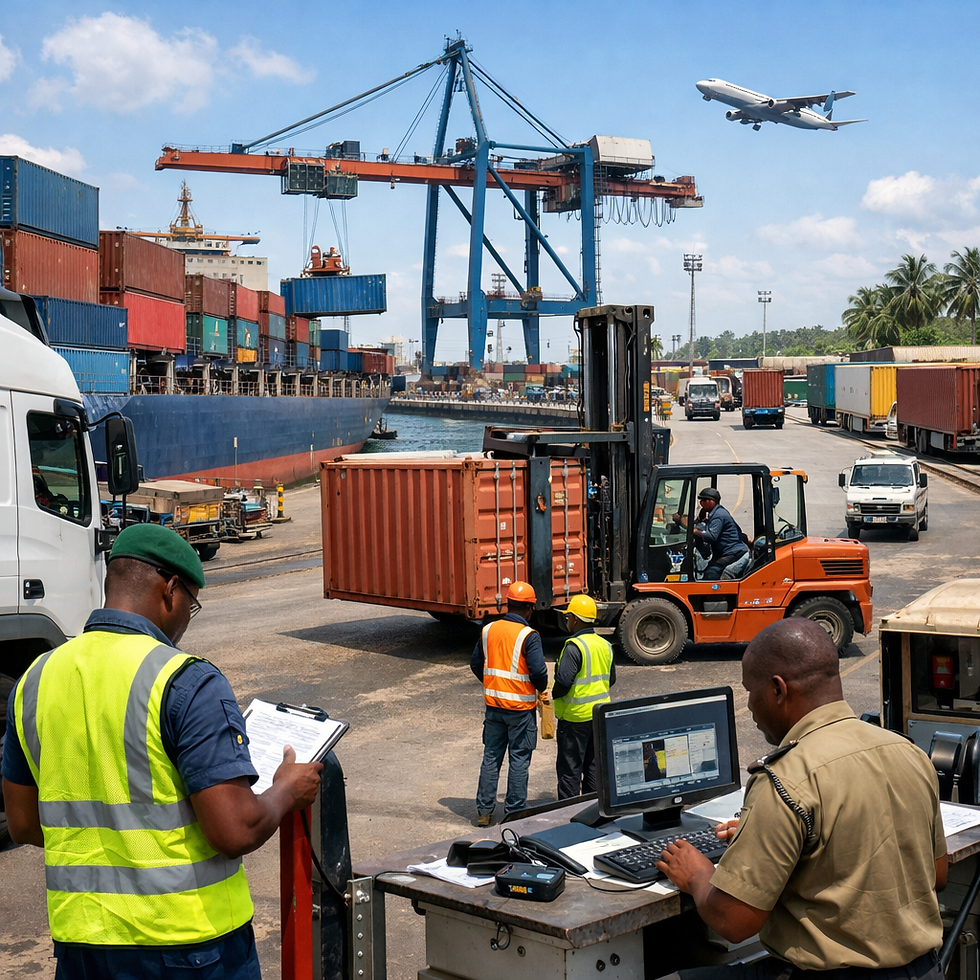
The Intergovernmental Authority on Development (IGAD) region is confronting a significant trade and security squeeze in 2026, with cross-border agricultural trade bearing the brunt of these pressures. Regional initiatives are now pivoting towards digital solutions to mitigate persistent bottlenecks, as evidenced by IGAD’s recent consultative dialogue in Nairobi. This strategic shift underscores a growing recognition that non-tariff barriers, particularly at land borders, are actively impeding economic growth and food security across the Horn of Africa.

On February 26, 2026, IGAD concluded a four-day Regional Consultative Dialogue on Digital Trade Solutions for Cross-Border Agricultural Trade in Nairobi, Kenya. This high-level gathering, convened under the Food Systems Resilience Programme (FSRP) for Eastern and Southern Africa, directly addresses the friction points hindering efficient movement of agricultural goods. The dialogue explicitly aimed to align regional efforts with the African Continental Free Trade Area (AfCFTA) Digital Trade Protocol, signaling a concerted push towards harmonized digital trade environments. This focus on digital interoperability across SPS, customs, and market platforms suggests that the IGAD Secretariat, based in Addis Ababa, Ethiopia, views digital transformation as a critical enabler for regional trade, especially in a context where physical infrastructure and security remain challenging.
Digital Solutions to Unclog IGAD's Trade Corridors
The 2026 dialogue in Nairobi validated a phased regional roadmap for implementing priority digital pilot initiatives. IGAD’s stated implementation priorities are clear: fostering interoperability between Sanitary and Phytosanitary (SPS) systems, customs agencies, and market platforms; establishing harmonized digital certification and inspection systems; developing MSME-focused digital market access platforms; and coordinating regional investment in scalable digital infrastructure. This multi-pronged approach indicates a strategic departure from traditional infrastructure-only solutions, acknowledging that bureaucratic hurdles and data silos inflict substantial transaction costs. The emphasis on "getting to market" under FSRP Component 3 directly targets these corridor-level bottlenecks, which have historically plagued trade routes connecting landlocked nations like Uganda, South Sudan, and Ethiopia to ports in Kenya and Djibouti. For international suppliers and consultants, this translates into a future pipeline of tenders related to digital infrastructure, software development for customs and SPS, and technical assistance for system integration across multiple IGAD member states. Monitoring platforms like app.tendersgo.com with specific CPV codes for ICT and customs solutions will be crucial for identifying these emerging opportunities.
The policy direction articulated by IGAD confirms that border frictions and non-tariff compliance costs are a live brake on agricultural trade expansion across the region. While the dialogue did not quantify specific trade volumes or financial impacts, the very nature of the proposed remedies — targeting customs and SPS delays, alongside market access inefficiencies — points to a systemic issue. These delays often result in spoilage for perishable goods, increased transport costs, and reduced competitiveness for regional producers. Consider, for example, the transit times for agricultural produce moving from Uganda through Kenya to the port of Mombasa. Each delay at a border post, whether due to manual inspections, paper-based certifications, or lack of data sharing between national agencies, adds days and dollars to the supply chain. The proposed digital systems aim to reduce these delays, potentially cutting transit times by 20-30% and lowering logistics costs for regional traders, thereby making IGAD agricultural products more competitive in both regional and international markets. This shift represents a significant opportunity for technology providers focusing on trade facilitation and supply chain digitization.
Regional Security, Logistics, and Food Security Outlook for 2026
The IGAD region, encompassing countries such as Ethiopia, Kenya, Somalia, Sudan, South Sudan, Uganda, Djibouti, and Eritrea, faces complex security challenges that directly impact cross-border trade and logistics. While the Nairobi dialogue focused on digital solutions, the underlying context of regional instability cannot be overlooked. Conflict in Sudan, ongoing security concerns in parts of Somalia, and localized tensions elsewhere continue to disrupt established trade routes, displace populations, and increase the cost of doing business. These security issues often necessitate higher insurance premiums for cargo, longer transit times due to re-routing, and additional security escorts, all of which inflate the final price of goods and reduce market access for producers. The World Bank's FSRP, under which these digital initiatives are being pursued, aims to bolster resilience, indicating an acknowledgment that food systems in the region are particularly vulnerable to both climate shocks and human-induced disruptions. Therefore, while digital trade solutions offer efficiency gains, their full impact hinges on parallel efforts to enhance regional security and stability. International development consultants and logistics firms specializing in complex environments will find continued demand for risk assessment, supply chain optimization, and security advisory services across the IGAD corridor network.
The emphasis on harmonized digital certification and inspection systems under the AfCFTA Digital Trade Protocol aligns with a broader continental push for seamless trade. For instance, a common digital SPS certificate for livestock moving from Kenya to Ethiopia, or for maize from Uganda to South Sudan, would drastically reduce opportunities for corruption and speed up border crossings. Without such harmonization, each country's unique requirements, often paper-based, create choke points. The implementation of phased pilot rollouts, as discussed in Nairobi, suggests a pragmatic approach, likely starting with high-volume or critical agricultural commodities along key corridors. This phased approach allows for lessons learned and adjustments before full regional deployment. Companies with expertise in developing and implementing electronic single window systems, blockchain-based certification, and digital payment platforms will find significant avenues for engagement. Tenders will likely emerge for feasibility studies, system design, and implementation partners capable of working across diverse regulatory environments. Businesses can set up alerts on https://www.tendersgo.com/sectors/information-communication-technology-ict-tenders to capture these specific opportunities.
Untapped Procurement Avenues in Digital Trade Infrastructure
While the provided research brief does not include specific tender numbers or budget allocations, the strategic direction outlined by IGAD points to substantial procurement opportunities in the near to medium term. The demand for interoperable trade platforms will drive tenders for software development, system integration services, and cloud infrastructure solutions. Digital certification systems will require expertise in secure data management, digital signatures, and regulatory compliance. Inspection digitization will necessitate procurement of handheld devices, data analytics tools, and training programs for border officials. Furthermore, border data integration projects will involve complex IT consulting, network infrastructure upgrades, and cybersecurity services. These are not merely national projects; the emphasis on "interoperability" means that solutions must be designed to communicate and exchange data seamlessly across multiple national systems, requiring robust regional coordination and standardization.
The FSRP, with its focus on resilience, will likely attract funding from multilateral development banks such as the World Bank and the African Development Bank, which often stipulate competitive international bidding for large-scale projects. While no specific project IDs or loan amounts were available in the research, the program's scope suggests significant financial backing. International contractors, particularly those with experience in digital government services, customs modernization, and agricultural supply chain technology, should proactively engage with IGAD Secretariat officials and national ministries of trade, agriculture, and finance in member states. Attending industry events and monitoring official IGAD publications will provide early intelligence on upcoming procurement cycles. TendersGo’s extensive database, covering 220+ countries and all sectors, including specific country pages like www.tendersgo.com/country/kenya or www.tendersgo.com/country/ethiopia , will be an invaluable resource for tracking these opportunities as they materialize. The platform's AI summaries and unlimited alerts can help identify relevant RFPs and pre-qualification notices as soon as they are published.
Harmonizing Standards and Capacity Building
Beyond technology, the success of IGAD’s digital trade agenda hinges on harmonized standards and significant capacity building. The implementation of the AfCFTA Digital Trade Protocol necessitates a common understanding and application of digital trade rules across member states. This includes legal frameworks for electronic transactions, data protection, and cross-border data flows. The Nairobi dialogue’s focus on coordinated regional investment in scalable digital infrastructure also implies a need for technical assistance and training programs for government officials, customs agents, SPS inspectors, and even small and medium-sized enterprise (MSME) traders. These capacity-building initiatives represent another avenue for international consultants and training providers. For example, developing standardized e-learning modules for digital customs procedures or conducting workshops on the use of new digital certification systems will be critical. Such projects often fall under donor-funded technical cooperation agreements, offering opportunities for specialized firms. Firms can use https://www.tendersgo.com/sectors/consulting-services-tenders to find relevant solicitations.
The regional roadmap also emphasizes MSME-focused digital market access platforms. This is a critical component, as MSMEs constitute the backbone of agricultural trade in the IGAD region but often lack the resources and knowledge to navigate complex digital environments. Developing user-friendly, accessible platforms that integrate payments, logistics, and market information will empower these smaller traders, fostering inclusive economic growth. This could involve creating regional e-commerce portals for agricultural products, digital payment systems tailored for rural areas, and mobile-based applications for market price discovery. Such projects require a blend of technological expertise and deep understanding of local market dynamics and agricultural value chains. International firms partnering with local technology companies or agricultural cooperatives could find a competitive edge in these specific tenders. The B2B marketplace feature on TendersGo could become a valuable tool for forging such partnerships, connecting international expertise with local implementation needs.
The IGAD region is clearly signaling a strategic pivot towards digital transformation to unlock its agricultural trade potential in 2026. This shift, driven by the FSRP and aligned with the AfCFTA Digital Trade Protocol, creates a robust pipeline of opportunities for international suppliers and consultants in ICT, trade facilitation, and capacity building. The focus on interoperability, harmonization, and phased implementation across multiple member states suggests a sustained, multi-year effort that will redefine cross-border commerce in the Horn of Africa. Tracking these developments through intelligence platforms like search.tendersgo.com will be essential for any entity looking to capitalize on the region's evolving procurement landscape.