SAARC Revival Push Puts Trade, Power Links Back on Agenda

The South Asian Association for Regional Cooperation (SAARC) is experiencing a renewed push in 2026, with policy voices and smaller member states advocating for a transition from symbolic declarations to tangible cross-border projects. This momentum centers on SAARC regional cooperation 2026 trade connectivity, energy cooperation, and broader South Asia regional integration investment and infrastructure. The discussions highlight a clear imperative to unlock the region’s economic potential, which has long been hampered by fragmented markets and underutilized transport and power links.

Intra-regional trade within South Asia currently languishes at approximately 5% of the region's total trade volume. A 2026 analysis, referencing World Bank data, estimates current intraregional trade at around USD 23 billion. This figure starkly contrasts with a projected potential of nearly USD 67 billion if existing trade barriers were systematically dismantled. The 2026 Asian Economic Integration Report further underscores this opportunity, noting that while integration has deepened across Asia, South Asian initiatives like SAARC, SASEC, and BIMSTEC have seen their intraregional integration surpass extraregional integration between 2006 and 2023. This indicates a growing internal dynamic ready for further development, presenting significant opportunities for international contractors and suppliers monitoring tenders via TendersGo .
SAARC Regional Cooperation 2026 Trade Connectivity and Facilitation
The SAARC trade framework, still anchored in the South Asian Preferential Trade Agreement (SAPTA), the South Asian Free Trade Area (SAFTA), and the South Asian Agreement on Trade in Services (SATIS), provides the foundational policy instruments for preferential trade in goods and services. However, the 2026 revival discussions emphasize the need for practical reforms that go beyond these agreements' initial scope. Priority reforms repeatedly cited include customs harmonization, the establishment of robust cross-border digital payment systems, the expansion of electricity trading, the development of efficient transport corridors, and the creation of integrated supply chains across member states. These areas represent immediate procurement opportunities for technology providers, logistics firms, and infrastructure developers.
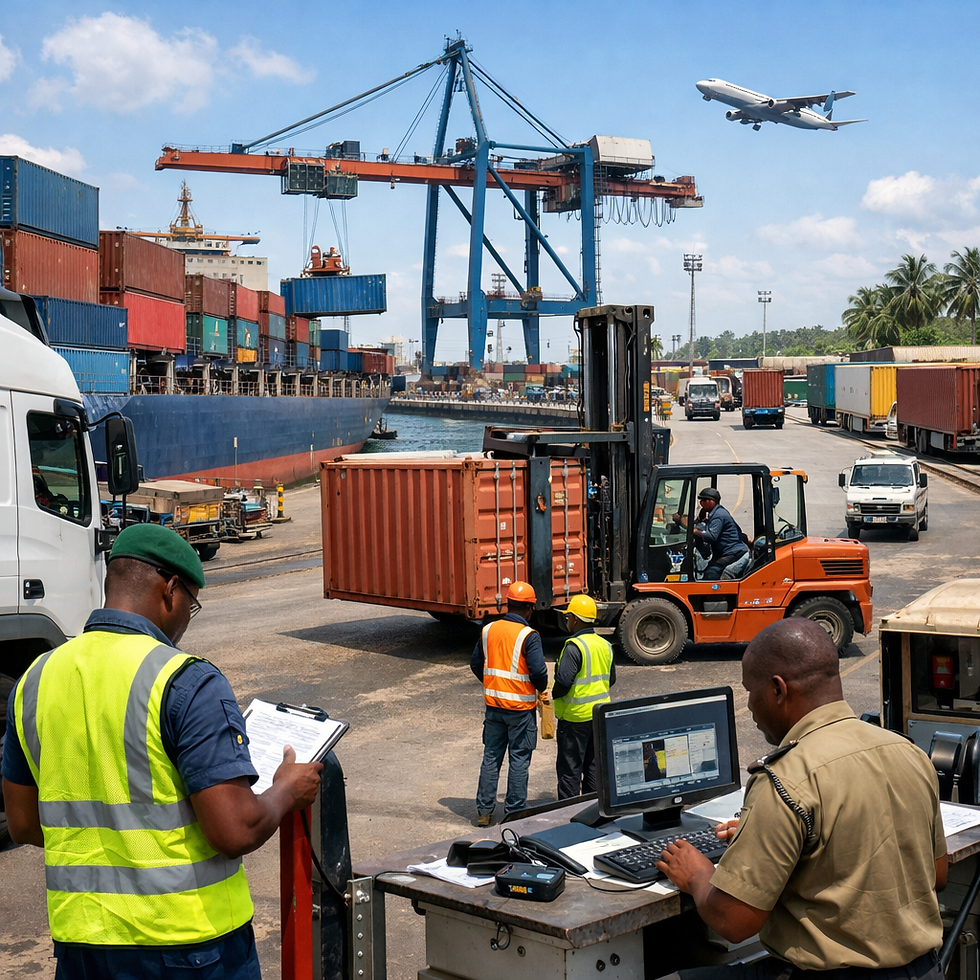
Concrete examples of enhanced connectivity are emerging, particularly between India and Bangladesh. Upgrades to rail and land-port links are proceeding, with projects like the Haldibari–Chilahati rail route demonstrating revived cross-border rail freight capabilities. The Petrapole–Benapole land port, a critical artery, has also seen significant upgrades; one source indicates it handles between 30% and 35% of bilateral trade by value. This focus on improving existing gateways and establishing new ones signals a pipeline of infrastructure tenders related to port modernization, rail network expansion, and border management systems. International firms with expertise in these areas should monitor procurement notices from agencies in both countries.
Beyond India and Bangladesh, transit trade through India for Nepal has shown tangible growth, reportedly increasing 11% year on year following revised transit treaty provisions. This demonstrates the impact of policy adjustments on trade flows and highlights the need for continued investment in logistical infrastructure along these corridors. Similarly, the Pakistan–Afghanistan corridor through Torkham has seen increased activity in 2026, despite intermittent closures, indicating persistent demand for cross-border trade routes even in challenging environments. This underscores the potential for tenders related to road infrastructure, warehousing, and customs facilities along these vital trade arteries. While direct trade between India and Pakistan remains frozen, with no restoration of Most Favored Nation (MFN) status as of mid-2026, trade continues to be routed indirectly through third countries, notably the UAE, illustrating the economic imperative that drives these flows.
SAARC Energy Cooperation Power Grid Interconnection Initiatives
Energy cooperation remains a central pillar of the SAARC revival agenda, firmly rooted in the SAARC Framework Agreement on Energy Cooperation, initially signed at the 18th SAARC Summit in Kathmandu on 27 November 2014. This agreement was designed to facilitate integrated regional power-grid operation, a vision that continues to gain traction. The Kathmandu Declaration from the same summit called for stronger cooperation across trade, investment, finance, energy, infrastructure, and connectivity, urging faster implementation of regional projects. These foundational commitments are now seeing renewed institutional activity, signaling forthcoming technical assistance and infrastructure development tenders.
In 2026, SAARC’s energy institutions have shown renewed vigor. SAARC Secretary General Golam Sarwar visited the SAARC Energy Centre in Islamabad on 16 July 2026 to review current and upcoming programs addressing South Asia’s energy challenges. This visit underscores the operational focus on translating policy into actionable projects. The SAARC Energy Centre, as the key technical node for regional power-sector work, will likely be instrumental in commissioning feasibility studies, grid coordination projects, and regional energy planning support. Such activities will generate demand for specialized consultants, engineering firms, and technology providers.
Further institutional signals emerged from the SAARC–IRENA Memorandum of Understanding (MoU), signed on 11 January 2025. This MoU aims to strengthen cooperation in sustainable energy development, aligning regional energy goals with global renewable energy initiatives. This partnership suggests a future pipeline of projects focused on renewable energy integration, smart grid technologies, and energy efficiency programs. International firms specializing in these areas should monitor announcements from the SAARC Energy Centre and its partners. The long-term vision includes a fully interconnected regional power grid, which would necessitate significant investment in transmission lines, substations, and grid management systems, creating substantial procurement opportunities for electrical engineering and construction companies.
Institutions Driving South Asia Regional Integration Investment
The SAARC Secretariat serves as the central coordination body for these revival efforts, playing a critical role in facilitating discussions and pushing forward the regional agenda. Its activities are crucial for understanding the policy direction and potential project pipelines. The SAARC Energy Centre in Islamabad is particularly significant for energy-related initiatives, acting as the technical hub for power-sector cooperation. This center's work directly translates into demand for expertise in energy policy, infrastructure planning, and project implementation, offering opportunities for consultants and technical service providers. Firms can track these developments and related procurement notices on platforms like TendersGo's energy sector page .
The SAARC Chamber of Commerce and Industry continues its advocacy for greater trade and investment integration across the region. Its lobbying efforts often highlight specific bottlenecks and propose solutions, which can inform the design of future tenders. Their recommendations often align with the priorities of international contractors seeking to enter or expand within the South Asian market. Understanding their policy briefs provides insights into the types of projects likely to receive regional backing.
Key analytical work supporting these integration efforts comes from the Asian Development Bank (ADB) and its Asia Regional Integration Center (ARIC). Their 2026 reports provide essential data and analysis on regional integration trends, which often inform government and development bank funding decisions. The World Bank is also frequently referenced in 2026 commentary, notably for its estimate of the USD 23 billion current versus USD 67 billion potential intraregional trade. These institutions’ research often precedes major investment programs, making their publications critical for business development teams.
Country-Specific Implications for Cross-Border Projects
India remains a pivotal player in South Asia’s integration agenda, serving as a critical transit route, a vast market, and a central node for power links. Its economic size and geographic position mean that its policies and infrastructure investments profoundly impact regional connectivity and trade. Projects involving India's borders and internal infrastructure are often large-scale and complex, attracting significant international interest. For example, India's Sagarmala program and various connectivity initiatives with neighboring countries are likely to generate numerous tenders for port development, road construction, and logistics solutions.
Bangladesh is central to land and rail connectivity upgrades and features prominently in discussions about trade routing. Its strategic location makes it a crucial link between India and other SAARC members, particularly for transit to the Northeast Indian states and beyond. Ongoing projects like the Padma Bridge rail link and various port enhancements at Chittagong and Mongla are creating substantial procurement opportunities. These projects require expertise in civil engineering, railway systems, and port management, making Bangladesh a key market for international contractors. Details on these tenders can be found by setting up alerts for Bangladesh on TendersGo's country-specific pages .
Nepal's economic progress depends heavily on improved transit and corridor reliability, with reported gains in trade through India underscoring the importance of these links. Investments in road networks, customs facilities, and dry ports in Nepal are essential for reducing trade costs and improving market access. Projects aimed at upgrading border infrastructure and streamlining customs procedures will likely emerge. Pakistan, while facing bilateral trade freezes with India, is prominent in energy-center activity and connectivity advocacy. The SAARC Energy Centre's location in Islamabad ensures Pakistan's continued involvement in regional energy discussions and potential project leadership in that sector.
Sri Lanka stands out as a critical transshipment hub, with Colombo port reportedly handling about 7.2 million TEUs in 2025. This makes it a vital node for regional cargo flows, supporting not only SAARC trade but also broader East-West maritime routes. Further investments in port expansion, logistics zones, and maritime services are anticipated. Bhutan is linked to the BBIN (Bangladesh, Bhutan, India, Nepal) freight movement provisions, which were formally extended to Bhutan in 2024. This formalization points to future infrastructure and logistics projects aimed at facilitating cross-border movement, particularly for specialized cargo. Afghanistan, despite political complexities, remains tied to corridor activity via Torkham in regional trade discussions, indicating a persistent need for basic trade infrastructure and facilitation services along its borders.
Procurement and Project Pipeline Signals in 2026 for SAARC Development
While no specific SAARC-wide open tender or Request for Proposals (RFP) deadline has been identified for 2026 in the immediate research, the ongoing institutional activity and policy discussions provide strong signals for future procurement. The most direct implication of a SAARC revival is a likely surge in tenders for customs systems modernization, border infrastructure development, new rail links, port handling equipment and services, power-grid interconnection projects, and various energy-market technical studies. These areas represent significant opportunities for international suppliers and service providers.
The renewed focus on the SAARC Energy Centre in Islamabad, particularly following the SAARC Secretary General's visit and the SAARC–IRENA MoU, suggests an imminent demand for specialized expertise. This includes feasibility studies for regional power projects, detailed engineering designs for grid interconnections, and technical support for harmonizing energy policies and regulations across member states. Companies specializing in energy consulting, power transmission and distribution, and renewable energy integration should actively monitor the SAARC Energy Centre's announcements and collaborate with regional partners to position themselves for these opportunities. Tenders for these services often involve complex technical requirements and require international experience, making them suitable for large multinational firms.
Furthermore, the emphasis on cross-border digital payments and integrated supply chains points to procurement needs in financial technology, cybersecurity, and logistics management systems. As SAARC members strive to streamline trade, there will be a demand for software solutions, digital platforms, and consulting services to implement these modern trade facilitation tools. The upgrades to land ports and rail routes, such as the Petrapole–Benapole and Haldibari–Chilahati links, will continue to generate tenders for civil works, signaling systems, cargo handling equipment, and associated operational services. Firms can use TendersGo's advanced search filters , including CPV and NAICS codes, to identify specific tenders related to these infrastructure and technology upgrades across the SAARC region.
SAARC Development Report 2026 Regional Economy Outlook
The 2026 SAARC revival narrative, while still largely policy-led, offers concrete commercial opportunities primarily in trade facilitation, transport connectivity, and electricity interconnection. The quantitative framing points – a 5% intraregional trade share, USD 23 billion in current trade, and a potential USD 67 billion – underscore the substantial room for growth and the economic imperative behind these revival efforts. This gap represents a significant market for goods and services, as well as for the infrastructure required to unlock this potential. International businesses should view these figures not just as statistics, but as indicators of untapped demand and future project pipelines.
The most actionable country corridors for immediate engagement are the India–Bangladesh, India–Nepal, and Pakistan–Afghanistan routes. These corridors are already seeing active development and policy support, making them prime targets for businesses looking to participate in regional projects. Sri Lanka’s role as a transshipment hub further enhances its importance for regional logistics and maritime trade, presenting opportunities in port services, warehousing, and shipping. For businesses seeking to engage with these developing opportunities, constant monitoring of procurement portals and regional development bank announcements is crucial. The SAARC region, despite its historical challenges, is signaling a clear intent to move towards greater economic integration, creating a dynamic environment for international contractors and suppliers.
The sustained efforts by the SAARC Secretariat and specialized bodies like the SAARC Energy Centre indicate a long-term commitment to these goals. This commitment translates into a steady stream of tenders for infrastructure, technology, and consulting services. Businesses that proactively engage with regional stakeholders, understand the specific needs of individual member states, and align their offerings with the broader SAARC objectives will be best positioned to capitalize on this renewed push for regional integration. The emphasis on sustainable energy, digital connectivity, and streamlined trade processes reflects a modern approach to regional development, requiring innovative solutions and experienced international partners.